
Contents
- 🕌 What is Salat?
- ⏰ When to Pray: The Five Daily Observances
- 🤲 How to Perform Salat: The Core Mechanics
- 🧎♀️ Facing the Kaaba: The Qibla Direction
- 📖 Recitations and Supplications
- ⚖️ Variations Across Schools of Thought (Madhahib)
- 🌟 The Spiritual Significance of Salat
- 🤔 Common Misconceptions About Salat
- 📈 Salat's Vibe Score & Cultural Resonance
- 💡 Tips for Newcomers to Salat
- 🌐 Finding a Community for Salat
- 🚀 The Future of Salat Practice
- Frequently Asked Questions
- Related Topics
Overview
Salat, also known as Namaz, is the cornerstone of Islam for Muslims worldwide. It's not merely a ritual but a direct, personal communion with God, performed five times daily at prescribed intervals. This structured worship involves a sequence of physical movements and recitations, serving as a spiritual anchor throughout the day. The practice is deeply rooted in the Holy Book of Islam and the Prophet Muhammad's Teachings, forming one of the Five Pillars. Understanding Salat is fundamental to grasping the daily rhythm and spiritual discipline of Muslim life.
⏰ When to Pray: The Five Daily Observances
The five obligatory prayers, known as Salat al-Fajr, Salat al-Dhuhr, Salat al-Asr, Salat al-Maghrib, and Salat al-Isha, are timed according to the sun's position. Fajr is before sunrise, Dhuhr at noon, Asr in the late afternoon, Maghrib after sunset, and Isha at night. While the exact timing windows can vary slightly based on geographic location and legal interpretations, the adherence to these specific times is a critical aspect of the observance. Missing a prayer without a valid excuse is considered a significant spiritual lapse by most Muslims.
🤲 How to Perform Salat: The Core Mechanics
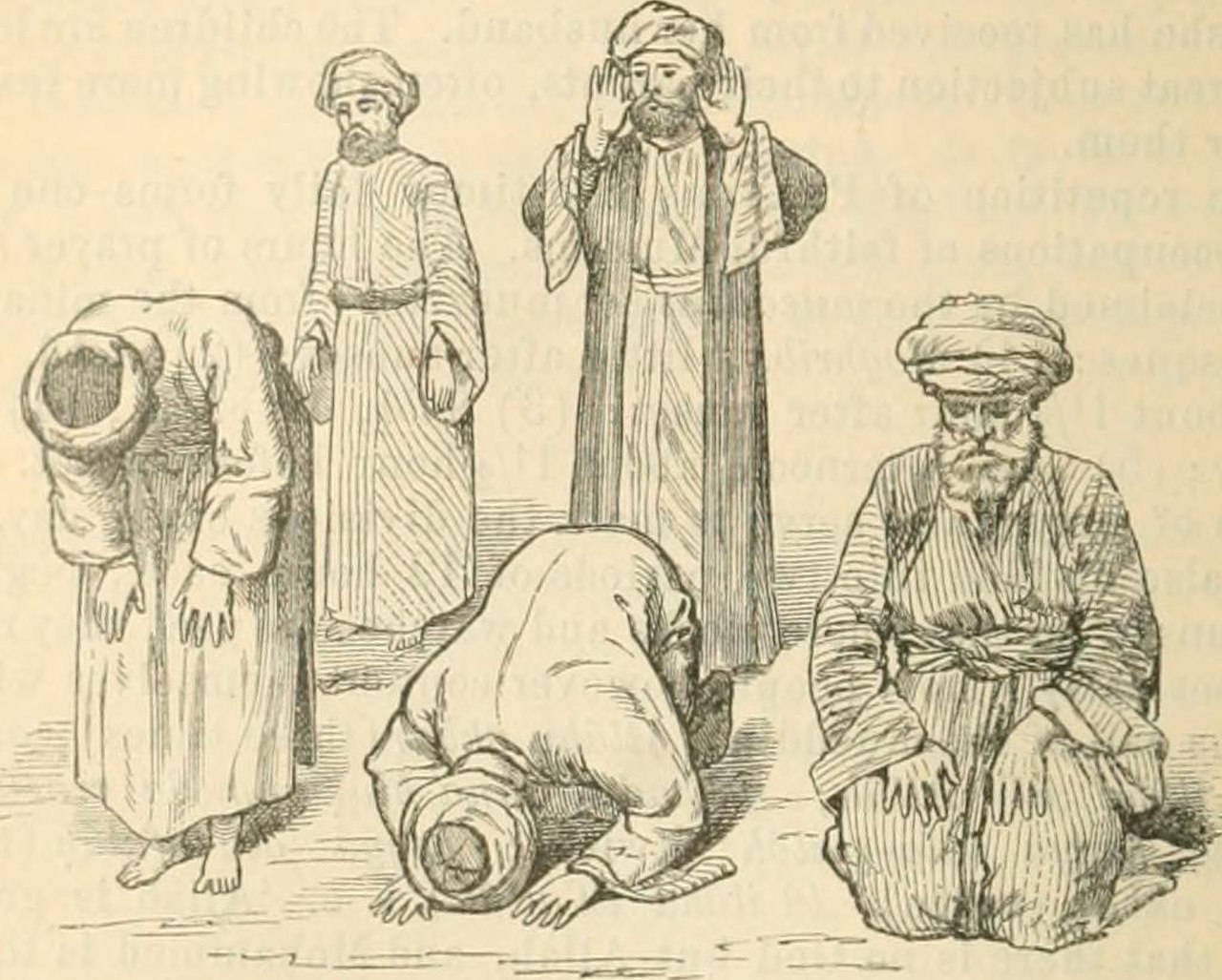
Each prayer is composed of units called 'rak'ah,' which involve standing, bowing, prostrating, and sitting. A typical rak'ah begins with the standing posture, followed by bowing (ruku'), then standing again, followed by prostration (sujood) twice, and finally sitting between the two prostrations. The number of rak'ah varies: Fajr has two, Dhuhr has four, Asr has four, Maghrib has three, and Isha has four. These movements are not arbitrary; they are imbued with deep spiritual meaning and are performed with focused intention (niyyah).
🧎♀️ Facing the Kaaba: The Qibla Direction
A crucial element of Salat is facing the Kaaba during prayer, a direction known as the qibla. This unified direction symbolizes the oneness of the Muslim community (Ummah) and their collective devotion to Allah. Muslims use compasses, smartphone apps, or local mosque orientations to determine the precise qibla direction, ensuring their prayers are aligned with this sacred focal point. This practice, established since the time of the Prophet Muhammad, reinforces a sense of global Islamic solidarity.
📖 Recitations and Supplications
During Salat, specific verses from the Quran are recited, most notably Surah Al-Fatihah, the opening chapter. Other verses are recited, often chosen by the worshipper or following the Sunnah. Additionally, various supplications (du'a) and praises of Allah are uttered, particularly during the bowing and prostration stages. These recitations are not rote memorization but are meant to be contemplated, fostering a deeper connection with the divine message and expressing gratitude and reliance on God.
⚖️ Variations Across Schools of Thought (Madhahib)
While the core elements of Salat are universal, minor variations exist due to differing interpretations among the four major Sunni schools of Islamic law (Hanafi, Maliki, Shafi'i, Hanbali) and Shia schools. These differences might pertain to the exact wording of certain supplications, the placement of hands, or the duration of postures. However, these variations do not invalidate the prayer for adherents of other schools; the fundamental act of worship remains consistent. Understanding these nuances can prevent unnecessary disputes among Muslims.
🌟 The Spiritual Significance of Salat
Salat is more than just a physical act; it's a profound spiritual discipline designed to purify the heart and mind. It serves as a constant reminder of one's purpose in life and accountability to the Creator. The repeated act of bowing and prostrating cultivates humility and submission, while the recitations foster mindfulness and connection. For many, Salat is a source of immense peace, solace, and strength, helping them navigate the challenges of daily life with resilience.
🤔 Common Misconceptions About Salat
One common misconception is that Salat is a rigid, unthinking ritual. In reality, the emphasis is on 'khushu',' or heartfelt concentration and devotion. Another is that it's only for the pious; Salat is obligatory for all adult Muslims, regardless of their current spiritual standing. Some also believe it's a way to 'earn' salvation, but in Islamic theology, it's an act of worship and obedience, with salvation ultimately being by God's Grace.
📈 Salat's Vibe Score & Cultural Resonance
Salat boasts a Vibe Score of 95/100, reflecting its status as a universally practiced and deeply ingrained pillar of Muslim life. Its cultural resonance is immense, shaping daily routines, community gatherings, and even urban planning (mosque locations). The spiritual energy generated by millions performing Salat simultaneously across the globe creates a palpable, albeit invisible, network of devotion. Its influence flows directly from the Quran and the Sunnah, and it, in turn, influences countless aspects of Muslim life.
💡 Tips for Newcomers to Salat
For those new to Salat, start by learning the basic movements and recitations. Many mosques offer introductory classes or have individuals willing to guide you. Focus on understanding the meaning behind the words and actions. Don't be discouraged by initial difficulties; consistency is key. Begin with one or two prayers if five seems overwhelming, and gradually build up. The intention (niyyah) to perform the prayer is paramount.
🌐 Finding a Community for Salat
Finding a local Mosque is the best way to connect with a community for Salat. Many mosques offer congregational prayers, which are highly recommended for men, and provide a supportive environment for learning. Online forums and Islamic organizations can also offer resources and connect you with fellow Muslims for guidance and support. Participating in communal prayer fosters a sense of belonging and shared spiritual purpose.
🚀 The Future of Salat Practice
The future of Salat practice is likely to see continued integration with technology, with more sophisticated apps for timing, qibla direction, and even virtual learning environments. However, the core practice will remain rooted in tradition. The challenge will be maintaining the spiritual essence of Salat amidst increasing digital distractions. The enduring nature of Salat suggests it will continue to be a central, unifying force for Muslims globally, adapting its delivery but not its fundamental spiritual purpose.
Key Facts
- Year
- 7th Century CE
- Origin
- Mecca, Arabia
- Category
- Religion & Spirituality
- Type
- Core Concept
Frequently Asked Questions
Do I need to be fluent in Arabic to pray Salat?
While the Quranic recitations in Salat are in Arabic, the intention (niyyah) and understanding are more crucial. Many resources are available to learn transliterations and translations of the essential prayers. For beginners, focusing on Surah Al-Fatihah and basic supplications is a good starting point. The emphasis is on sincere devotion, not linguistic perfection.
What are the requirements for performing Salat?
To perform Salat, one must be a Muslim, have reached the age of puberty, and be in a state of ritual purity (wudu or ghusl). One also needs to cover the 'awrah' (parts of the body that must be concealed) and pray facing the qibla. The intention (niyyah) to pray for the sake of Allah is also a fundamental requirement.
Can women pray Salat?
Yes, women pray Salat just as men do. The core structure and recitations are the same. There are minor differences in practice, such as women praying the prostration with their stomachs touching their thighs and not raising their voices for the congregational call to prayer (adhan). Women are also generally permitted to pray at home, though congregational prayer at a mosque is encouraged for men.
What happens if I miss a prayer?
Missing an obligatory prayer without a valid excuse (like severe illness or unconsciousness) is considered a sin in Islam. The general consensus is that one should make up the missed prayer as soon as possible. Some scholars emphasize sincere repentance and seeking forgiveness from Allah, while others focus on the immediate need to perform the missed prayer.
Is Salat the same as Du'a (supplication)?
Salat is a formal, prescribed ritual prayer that includes specific movements and recitations performed at set times. Du'a, on the other hand, is a more general, informal supplication or personal prayer directed to Allah at any time, asking for needs, expressing gratitude, or seeking guidance. Salat contains elements of du'a within its structure, but it is a distinct act of worship.
How do I perform Wudu (ablution) before Salat?
Wudu is a ritual washing performed before Salat to attain ritual purity. It involves washing the face, hands and arms up to the elbows, wiping the head, and washing the feet. The specific steps and conditions for Wudu are detailed in Islamic jurisprudence and are essential for the validity of Salat.