
Contents
Overview
The history of K2's discovery and naming is a tale of imperial surveying and mountaineering ambition. K2 was initially designated 'K2' as the second peak in the Karakoram range. George Bell famously described the mountain as "a savage mountain that tries to kill you." This sentiment would define K2's reputation for decades. The true name of K2 among local Balti people is 'Chogori,' meaning 'Great Mountain,' a name that predates European surveys and speaks to its ancient significance.
⚙️ How It Works
K2's formidable challenge stems from its extreme geological and meteorological characteristics. K2 is exposed to powerful jet streams, leading to unpredictable weather windows. Key technical challenges include the infamous "House's Chimney," a near-vertical rock face, and the "Black Pyramid," a steep, ice-covered couloir. The summit itself is a small, exposed plateau, offering little respite from the elements.
📊 Key Facts & Numbers
K2's statistics paint a stark picture of its extreme nature. The first winter ascent of K2 was only achieved in February 2021 by a team of Nepalese climbers, highlighting the extreme difficulty of climbing it outside the short summer season.
👥 Key People & Organizations
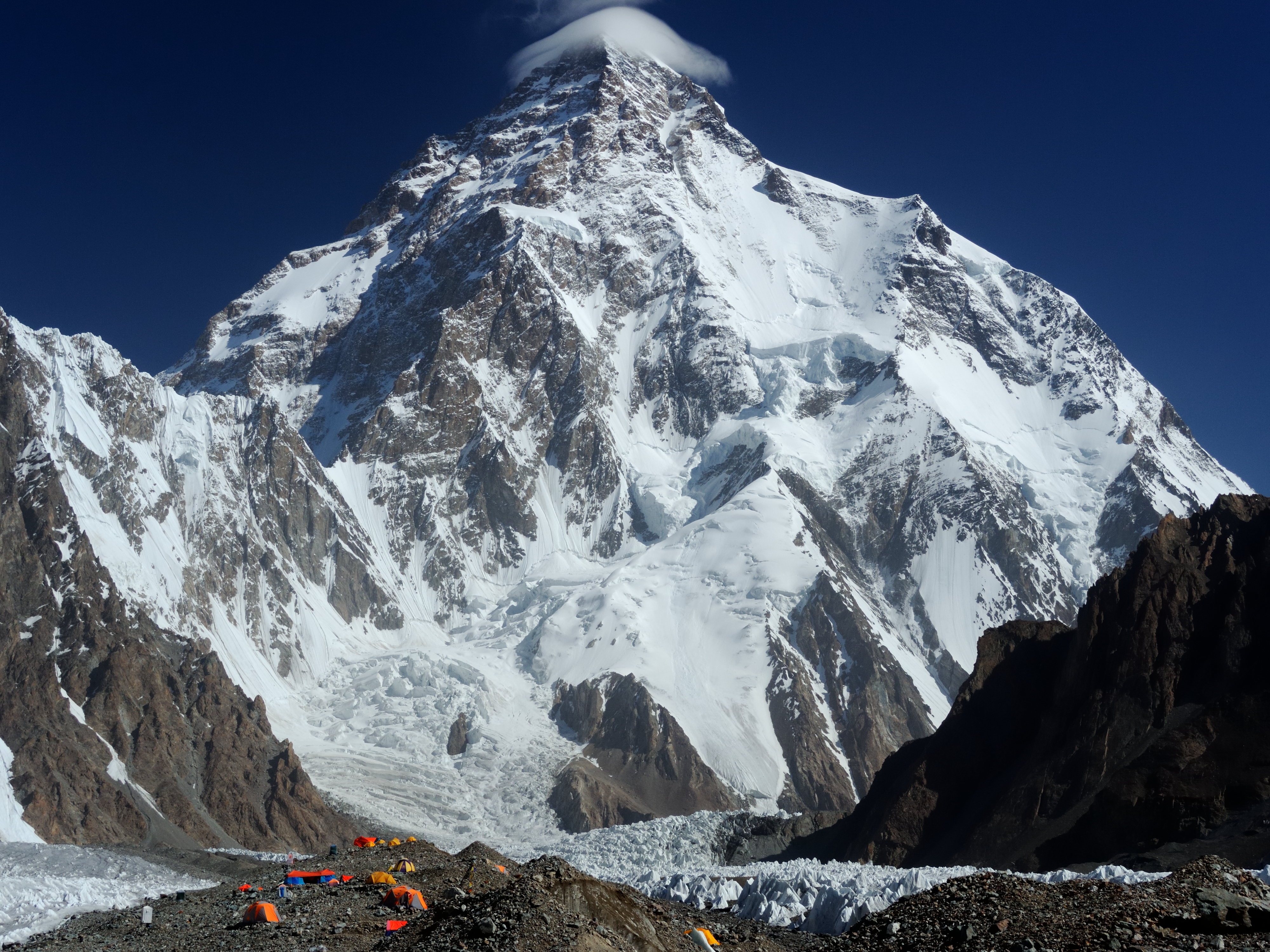
The mountaineering community is deeply intertwined with K2's history. Pioneers like Achille Compagnoni and Lino Lacedelli, the first to summit in 1954, are legends. George Bell, whose description coined "Savage Mountain," was part of the ill-fated 1953 American expedition. Reinhold Messner, the first person to climb all 14 eight-thousanders, has spoken extensively about K2's unique challenge. Organizations like the Alpine Club of Pakistan and the China Mountaineering Association play crucial roles in managing expeditions and permits. The K2 Base Camp itself is a temporary hub where climbers from various international expeditions, often supported by expedition companies like Seven Summit Treks, coordinate their efforts and await favorable weather windows.
🌍 Cultural Impact & Influence
K2's imposing presence has earned it a revered, albeit fearsome, place in global culture. It is often referred to as "The King of Mountains" and "The Mountaineers' Mountain," a testament to its status as a pinnacle of human achievement in extreme environments. Documentaries and books, such as Jim Wickwire's "The Savage Mountain," have chronicled the harrowing tales of ascents, shaping public perception of the peak. Its image evokes a sense of raw, untamed power, symbolizing the ultimate test of human endurance and will against nature's most formidable forces. The very name "K2" carries an immediate weight, recognized worldwide as a symbol of extreme mountaineering and the pursuit of the impossible, even for those who have never set foot near the Karakoram.
⚡ Current State & Latest Developments
The 2020s have seen a notable increase in K2 ascents, partly due to improved logistics and a growing number of commercial expeditions. The groundbreaking first winter ascent in February 2021 by a team of Nepalese climbers, including Nirmal 'Nims' Purja, marked a significant milestone, demonstrating that even the most formidable challenges can be overcome with modern techniques and determination. However, this increased activity has also brought renewed attention to safety concerns and the ethical considerations of high-altitude mountaineering.
🤔 Controversies & Debates
The primary controversy surrounding K2 revolves around its extreme fatality rate and the ethics of commercial expeditions pushing less experienced climbers towards its summit. Critics argue that the allure of K2, amplified by media attention and the success of figures like Nims Purja, encourages expeditions that may not adequately prepare clients for the mountain's inherent dangers. The debate intensifies during seasons with multiple deaths, prompting questions about permit regulations, guide qualifications, and the responsibility of expedition operators. Furthermore, the naming of the mountain itself has seen some debate, with calls to recognize the indigenous Balti name 'Chogori' more prominently, though the "K2" designation remains globally recognized and deeply embedded in mountaineering history.
🔮 Future Outlook & Predictions
The future of K2 climbing is likely to be shaped by continued technological advancements and a growing emphasis on sustainability and safety. We can anticipate more attempts at challenging routes and potentially more winter ascents as climbers push the boundaries of human capability. However, the increasing popularity of K2 also raises concerns about the environmental impact on the fragile Karakoram ecosystem, prompting a need for stricter waste management and conservation efforts. The debate over commercialization versus pure alpinism will undoubtedly continue, influencing how future generations approach this iconic peak. Furthermore, as climate change impacts glaciers and weather patterns, K2's climbing conditions may evolve, presenting new challenges and requiring adaptive strategies from climbers and expedition organizers.
💡 Practical Applications
While K2 is not a site for typical "practical applications" in the industrial sense, its existence and the human endeavors to conquer it have practical implications in several areas. The extreme conditions necessitate the development of advanced outdoor gear, including specialized insulation, high-altitude tents, and robust climbing equipment, which often find broader applications in other extreme environments and even in military or scientific research. The logistical challenges of mounting expeditions have spurred innovations in satellite communication and remote medical support. Furthermore, the data gathered from K2 expeditions, including physiological responses to extreme altitude and cold, contribute to scientific understanding in fields like aerospace medicine and human physiology, informing astronaut training and research into conditions similar to those in space.
Key Facts
- Category
- nature
- Type
- topic