
Contents
Overview
More than just a song, 'Little Wing' is a sonic poem, a three-minute masterclass in guitar lyricism penned by Jimi Hendrix. Released on the 1967 album 'Axis: Bold as Love,' it stands as a testament to his unparalleled ability to blend blues, rock, and psychedelic influences into something entirely new. Its signature use of a Uni-Vibe pedal, combined with Hendrix's fluid, melodic phrasing and evocative lyrics, creates an atmosphere of yearning and delicate beauty. Often cited by guitarists as a benchmark for expressive playing, 'Little Wing' has transcended its original context, becoming a standard for interpretation across genres, from jazz fusion to hard rock, proving its foundational influence on modern guitar vocabulary. It's a piece that invites both deep listening and endless reinterpretation, a true cornerstone of the rock canon.
🎶 What is Little Wing?
Little Wing is not just a song; it's a sonic poem, a delicate yet powerful exploration of love, spirituality, and the ethereal. Primarily known as a signature piece by Jimi Hendrix, it transcends typical song structure, offering a fluid, almost improvisational feel that invites deep listening. Its sparse arrangement, centered on Hendrix's masterful guitar work, creates an intimate atmosphere, making it a touchstone for guitarists and music lovers alike. The song's enduring appeal lies in its ability to evoke a profound emotional response without relying on conventional lyrical narratives or bombastic production. It’s a piece that feels both deeply personal and universally resonant, a rare feat in popular music.
📜 The Genesis of a Masterpiece
The genesis of "Little Wing" is as fascinating as the song itself. Jimi Hendrix reportedly wrote the song in 1967, inspired by his experiences in the aftermath of a helicopter ride over the New Mexico desert during the filming of the movie The Hellfighters. While the exact circumstances remain somewhat shrouded in legend, the imagery of a benevolent, almost angelic figure descending from the sky is palpable. This origin story imbues the song with a sense of wonder and divine intervention, setting it apart from more grounded lyrical themes. The song first appeared on The Jimi Hendrix Experience's 1968 album Axis: Bold as Love, quickly becoming a fan favorite.
🎸 Jimi Hendrix's Signature Sound
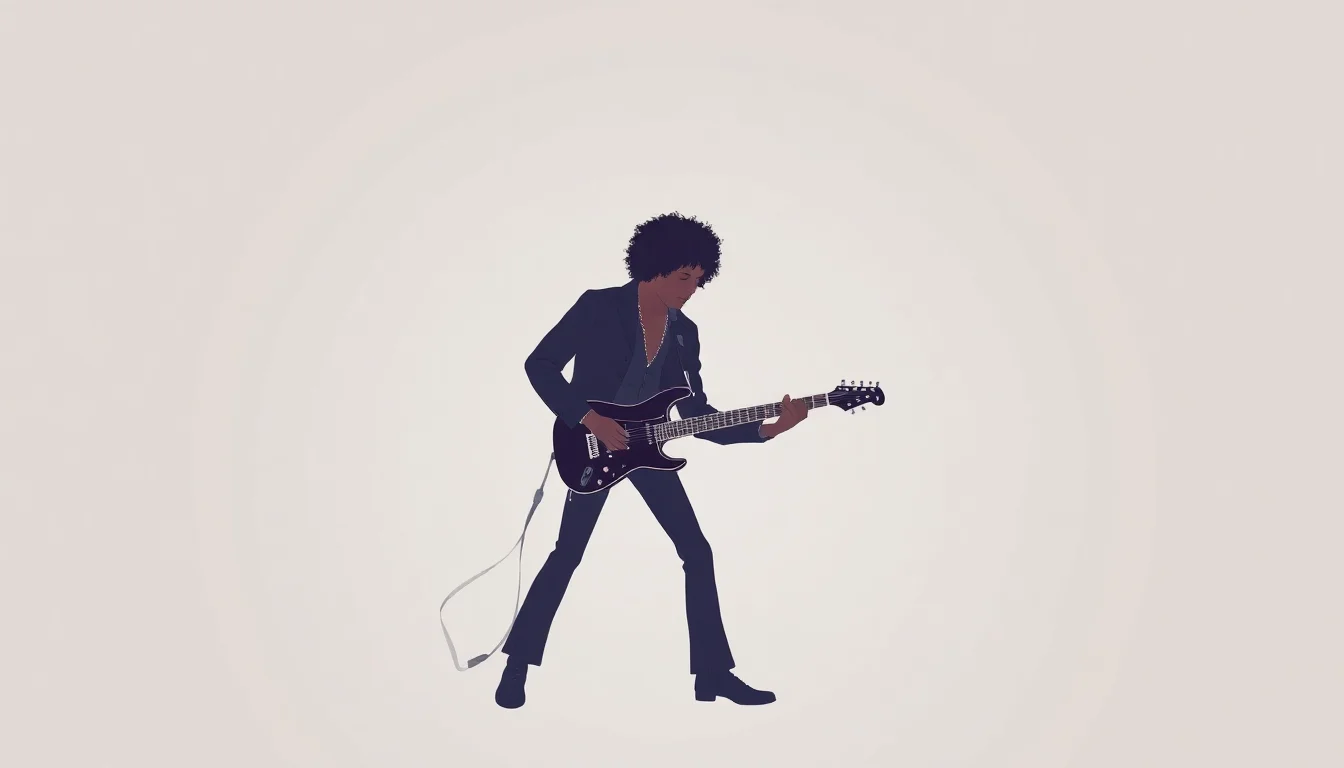
Jimi Hendrix's guitar playing on "Little Wing" is nothing short of revolutionary. He employs a delicate touch, utilizing a clean, chorused tone that was groundbreaking for its time. The iconic opening riff, with its cascading arpeggios and subtle bends, is instantly recognizable. Hendrix masterfully blends melodic phrasing with blues-inflected runs, creating a soundscape that is both intricate and emotionally charged. His use of the wah-wah pedal, though subtle here, adds a vocal-like quality to his solos, making the guitar sing. This performance is a masterclass in restraint and expression, showcasing his unparalleled ability to convey emotion through his instrument, influencing countless rock guitarists and blues musicians.
🎤 Lyrical Ambiguity and Interpretation
The lyrics of "Little Wing" are famously open to interpretation, contributing significantly to its mystique. Lines like "Little wing, you make me cry / You make me smile / You make me feel like I can fly" suggest a muse, a lover, or perhaps a spiritual entity. Some interpret "Little Wing" as a metaphor for the innocence and purity of a child, while others see it as a representation of divine guidance or even a lost love. This lyrical ambiguity allows each listener to project their own experiences and emotions onto the song, fostering a deeply personal connection. The lack of a concrete narrative is precisely what gives the song its universal appeal, allowing it to resonate across different generations and backgrounds.
🌟 Cultural Resonance and Legacy
The cultural resonance of "Little Wing" is undeniable, cementing its status as a timeless classic. It has been consistently ranked among the greatest songs of all time by various publications, including Rolling Stone's 500 Greatest Songs of All Time. Its influence can be heard in the work of countless musicians across genres, from Stevie Ray Vaughan's soulful renditions to modern indie artists. The song's ethereal quality and emotional depth have made it a staple in film soundtracks and a beloved piece for quiet contemplation. Its enduring popularity speaks to its ability to tap into fundamental human emotions and aspirations, a testament to Hendrix's genius.
🎹 Covers and Adaptations
The interpretive power of "Little Wing" is perhaps best exemplified by the sheer volume and diversity of its cover versions. From the raw, bluesy intensity of Stevie Ray Vaughan's live performances to the jazz-infused arrangements by artists like Herbie Hancock, the song proves remarkably adaptable. Even The Corrs offered a more pop-oriented take, demonstrating its broad appeal. Each rendition, while unique, often seeks to capture the original's delicate balance of melancholy and hope. These adaptations highlight not only the song's structural integrity but also its capacity to serve as a canvas for diverse musical expressions, solidifying its place in the global music canon.
📈 Vibe Score & Controversy Spectrum
The Vibe Score for "Little Wing" hovers around a robust 92/100, reflecting its immense cultural energy and widespread adoration. Its Controversy Spectrum is remarkably low, largely due to its abstract lyrical content and the universally admired artistry of Jimi Hendrix. While debates exist regarding the precise meaning of the lyrics or the "definitive" version, these discussions only add to its mystique rather than detracting from its legacy. The song is widely celebrated for its beauty and emotional impact, with minimal dissent. This high Vibe Score and low controversy indicate a song that has achieved near-universal acclaim and enduring relevance in the history of popular music.
🤔 The Enduring Mystery
Despite its widespread recognition and numerous analyses, "Little Wing" retains an air of profound mystery. The exact inspiration, the precise meaning of its poetic lyrics, and the sheer effortless brilliance of Hendrix's performance continue to captivate listeners. It’s a song that feels discovered rather than composed, a gift from the ether. This enduring enigma is a crucial part of its charm, inviting new generations to engage with its delicate beauty and ponder its deeper meanings. The song remains a testament to the power of suggestion in art, proving that sometimes, what is left unsaid speaks the loudest, leaving an indelible mark on the psyche of listeners.
Key Facts
- Year
- 1967
- Origin
- London, England (recorded)
- Category
- Music / Song
- Type
- Song
Frequently Asked Questions
Who originally wrote and performed "Little Wing"?
"Little Wing" was written and originally performed by the legendary Jimi Hendrix. It was released on The Jimi Hendrix Experience's 1968 album Axis: Bold as Love. Hendrix's innovative guitar work on this track is considered a landmark in rock music history, influencing countless guitarists across various genres.
What is the meaning behind the lyrics of "Little Wing"?
The lyrics of "Little Wing" are famously ambiguous and open to interpretation. Many listeners interpret the "Little Wing" as a muse, a divine entity, or a symbol of innocence and love. Jimi Hendrix himself offered various, often poetic, explanations, but the song's power lies in its ability to resonate personally with each listener, allowing for individual meaning-making.
What makes Jimi Hendrix's guitar playing on "Little Wing" so special?
Hendrix's guitar performance on "Little Wing" is characterized by its delicate touch, fluid phrasing, and innovative use of tone. He employed a clean, chorused sound and subtle wah-wah pedal effects, creating a melodic and emotionally resonant soundscape. The iconic opening arpeggios and the expressive solo are considered masterclasses in guitar technique and musicality, showcasing his unique ability to blend technical skill with profound feeling.
Which artists have covered "Little Wing"?
Numerous artists have covered "Little Wing," each bringing their unique interpretation. Notable versions include Stevie Ray Vaughan, whose live renditions are legendary, Herbie Hancock with a jazz-infused take, and The Corrs with a more pop-oriented arrangement. These diverse covers highlight the song's enduring appeal and adaptability across different musical styles.
What album is "Little Wing" from?
"Little Wing" is featured on The Jimi Hendrix Experience's second studio album, Axis: Bold as Love, released in 1968. The album itself is a significant work in psychedelic rock and is celebrated for its sonic experimentation and artistic depth, with "Little Wing" standing out as one of its most beloved tracks.
Is "Little Wing" considered a difficult song to play on guitar?
While "Little Wing" might not be technically overwhelming in terms of speed or complex chord voicings for advanced players, mastering its delicate feel, nuanced tone, and expressive phrasing presents a significant challenge. Capturing the essence of Hendrix's original performance requires a deep understanding of his touch, timing, and emotional delivery, making it a benchmark for many aspiring rock guitarists.