
Contents
Overview
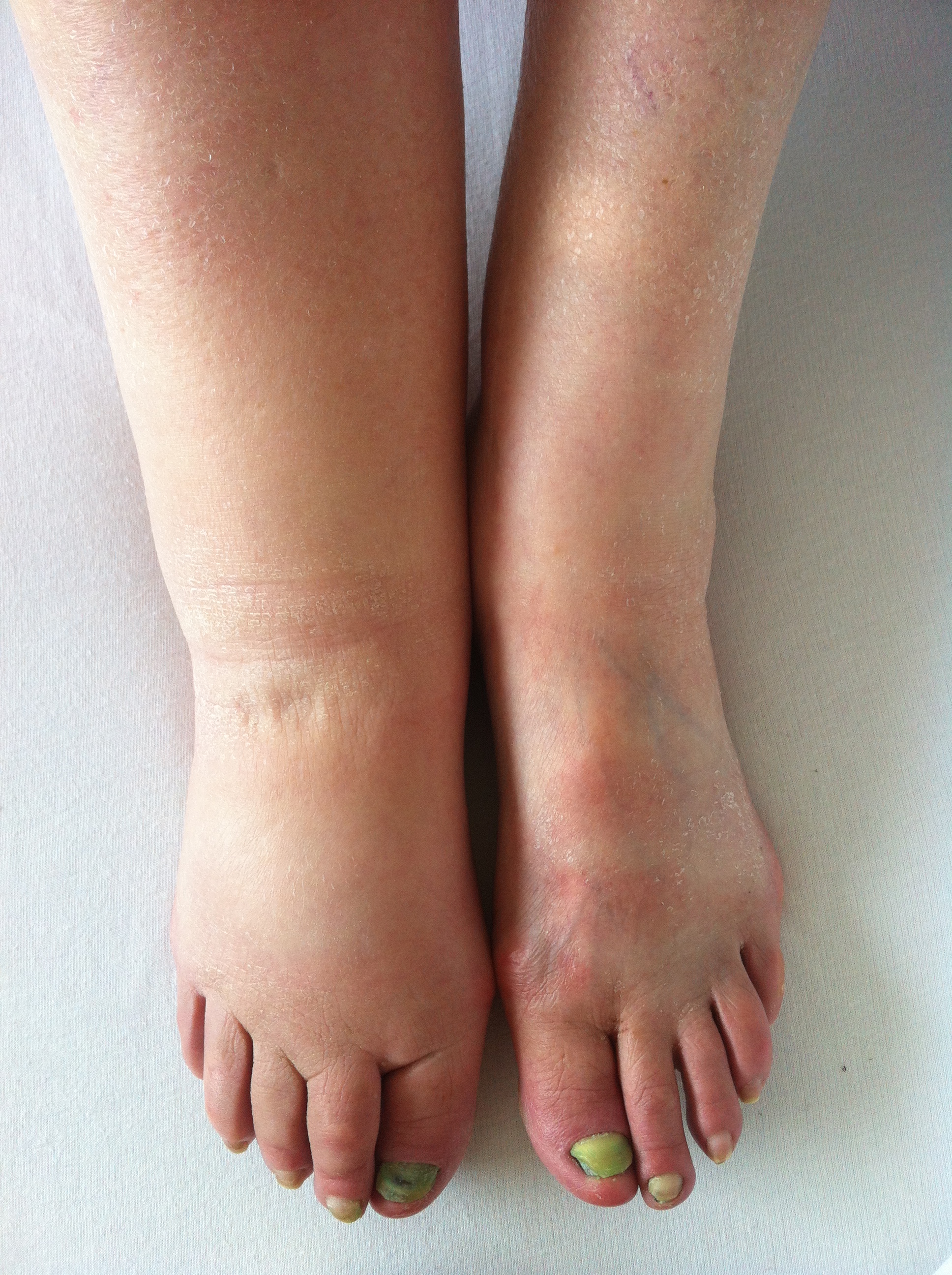
Lymphatic drainage massage (LDM) is a specialized, light-touch manual therapy technique designed to stimulate the lymphatic system, encouraging the natural drainage of lymph. This system, crucial for immune function and fluid balance, often becomes sluggish or blocked due to surgery, injury, or chronic conditions. LDM aims to reroute congested lymph to healthy vessels, reducing swelling (edema), detoxifying tissues, and promoting relaxation. While its origins trace back to early 20th-century European medicine, its widespread adoption in wellness and rehabilitation settings has surged, particularly in post-operative care and for managing chronic conditions like lymphedema. The technique involves specific, rhythmic strokes that mimic the pumping action of the lymphatic vessels, differentiating it significantly from deep tissue massage. Its efficacy is supported by growing anecdotal evidence and a subset of clinical research, though the precise physiological mechanisms are still a subject of ongoing scientific inquiry.
🎵 Origins & History
Lymphatic drainage massage was developed in the 1930s by Danish physician Emil Vodder and his wife Estrid. They observed that patients with chronic colds and sinus infections often had swollen lymph nodes and developed a gentle, rhythmic massage technique to address this. Vodder’s method gained traction in Europe, particularly in France and Germany, where it was recognized for its potential in treating edema and post-surgical swelling. Early proponents like Françoise Guérin further refined and disseminated the techniques. Manual Lymphatic Drainage (MLD) as a distinct therapeutic modality owes much to these pioneers, establishing a foundation for its current diverse applications.
⚙️ How It Works
Lymphatic drainage massage operates by applying very light, rhythmic, and precise strokes to the skin. These movements are designed to gently stretch the skin and underlying lymphatic vessels, encouraging the unidirectional flow of lymph fluid. The technique focuses on stimulating the superficial lymphatic network, which lies just beneath the skin's surface. Therapists use a sequence of pumping, circular, and scoop-like movements, always following the direction of lymph flow towards the nearest lymph nodes. These nodes act as filters, removing waste products, toxins, and pathogens from the lymph. By manually assisting this process, LDM aims to decongest areas where lymph has accumulated, thereby reducing swelling and promoting tissue health. Unlike deep tissue massage, LDM avoids deep pressure, which can actually impede lymphatic flow and potentially damage delicate lymphatic structures.
📊 Key Facts & Numbers
Globally, an estimated 10 million people suffer from lymphedema, a primary indication for lymphatic drainage massage. Post-surgical edema, particularly after mastectomies (affecting up to 30% of patients), is another significant area where LDM is applied. In the cosmetic surgery industry, LDM is frequently recommended post-procedure, with some clinics reporting that up to 90% of patients undergo at least one session. The global market for massage therapy, which includes LDM, was valued at over $50 billion USD in 2023 and is projected to grow. Studies suggest that LDM can reduce limb volume by an average of 10-15% in lymphedema patients within a few weeks of consistent treatment. The average session duration typically ranges from 30 to 60 minutes, with frequency varying based on the individual's condition.
👥 Key People & Organizations
The foundational work in lymphatic drainage massage is largely attributed to Emil Vodder and Estrid Vodder, who developed the technique in the 1930s. Later, Dr. Albert Leduc* and his wife, Dr. Katherine L. Ludwig, were instrumental in popularizing and standardizing MLD in North America. The Lymphology Association of North America (LANA) is an organization involved in MLD. Organizations like the Dr. Vodder School International continue to promote education and research in the field. Prominent practitioners and educators, such as Guido Schmidt, have also significantly contributed to the global dissemination of advanced MLD techniques and research.
🌍 Cultural Impact & Influence
Lymphatic drainage massage has carved out a significant niche in both the medical and wellness communities. In healthcare, it's a cornerstone of Combined Decongestive Therapy (CDT) for managing lymphedema and post-surgical swelling, improving patient quality of life. In the aesthetics realm, it's become a popular post-treatment protocol for plastic surgery and cosmetic procedures, promising faster recovery and enhanced results. Athletes use LDM to reduce muscle soreness and inflammation. The gentle, therapeutic nature of LDM has also contributed to its appeal in stress reduction and general relaxation practices, aligning with the broader trend towards mind-body wellness. The visual representation of 'detoxification' and 'cleansing' through LDM resonates strongly with popular health narratives.
⚡ Current State & Latest Developments
Current developments in lymphatic drainage massage are increasingly focused on integrating technology and refining evidence-based practices. Research is ongoing to better understand the precise physiological mechanisms and to quantify outcomes more rigorously, particularly for conditions beyond lymphedema. There's a growing interest in combining MLD with other modalities, such as compression therapy and specialized exercises, to optimize treatment efficacy. The development of specialized training programs and certifications by bodies like LANA ensures a higher standard of practice. Furthermore, the application of LDM in managing chronic conditions like fibromyalgia and autoimmune diseases is an emerging area of exploration, driven by patient reports of symptom relief. The global demand for skilled LDM practitioners continues to rise, particularly in oncology and post-operative care settings.
🤔 Controversies & Debates
A significant debate surrounds the extent of LDM's efficacy beyond its established role in lymphedema management. While practitioners and many patients report benefits for a wide range of conditions, including chronic fatigue, migraines, and digestive issues, robust scientific evidence for these broader applications is often limited or inconclusive. Critics argue that some claims are anecdotal and that the placebo effect may play a substantial role. The lack of standardized training protocols across different schools and regions also contributes to variability in practice and outcomes. Furthermore, the distinction between LDM and general massage techniques can be blurred, leading to confusion among consumers and healthcare providers about its specific therapeutic value and appropriate use. The precise physiological mechanisms by which LDM might influence systemic conditions are also a point of ongoing scientific discussion.
🔮 Future Outlook & Predictions
The future of lymphatic drainage massage appears poised for continued growth, driven by an aging global population, increasing rates of cancer and related treatments, and a persistent demand for non-invasive wellness therapies. Expect to see more sophisticated research exploring LDM's impact on conditions like chronic venous insufficiency, neurological disorders, and inflammatory conditions. The integration of biofeedback technology and advanced imaging techniques may offer new ways to visualize and measure lymphatic flow, providing more objective data on treatment effectiveness. There's also potential for LDM to be incorporated more formally into rehabilitation protocols for a wider array of medical conditions. As understanding of the lymphatic system's role in overall health expands, so too will the perceived value and application of manual lymphatic drainage.
💡 Practical Applications
Lymphatic drainage massage finds its most critical application in the management of lymphedema, a chronic swelling caused by a compromised lymphatic system, often a consequence of cancer treatment. It is widely used to reduce post-surgical edema following procedures like mastectomies, liposuction, and cosmetic surgeries, aiding in faster recovery and minimizing fibrosis. Athletes use LDM for muscle recovery, reducing inflammation and soreness. In aesthetic practices, it's employed to improve skin tone, reduce puffiness, and enhance the results of facial treatments. Beyond these, some practitioners use it to support detoxification processes, alleviate sinus congestion, and manage c
Key Facts
- Category
- aesthetics
- Type
- topic