
Contents
Overview
The story of marine transportation is as old as civilization itself, beginning with rudimentary rafts and dugout canoes used by early humans to navigate rivers and coastlines for fishing and migration. The story of marine transportation is as old as civilization itself, beginning with rudimentary rafts and dugout canoes used by early humans to navigate rivers and coastlines for fishing and migration. The Greeks and Romans further refined shipbuilding and navigation, with the Roman Empire's extensive network of ports and shipping lanes facilitating the movement of legions, supplies, and commodities across its vast dominion. Later, the Age of Discovery, spurred by innovations like the caravel and the astrolabe, saw European powers like Portugal and Spain embark on transoceanic voyages, fundamentally reshaping global trade and power dynamics through maritime exploration and colonization.
⚙️ How It Works
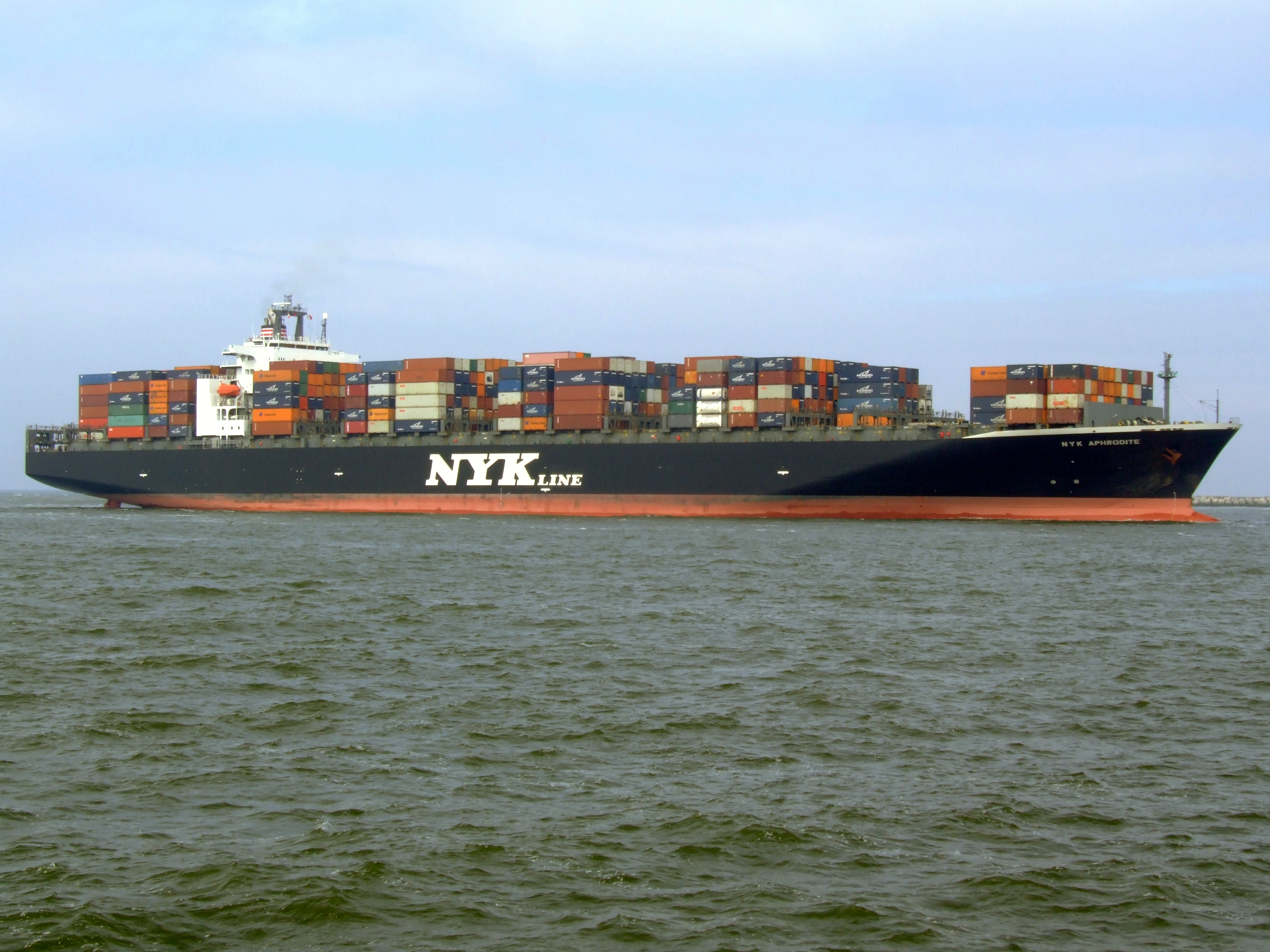
At its core, marine transportation relies on the principle of buoyancy and propulsion. Vessels, from massive container ships to nimble ferries, are designed to displace a volume of water greater than their own weight, allowing them to float. Propulsion is achieved through various means: wind acting on sails, oars, steam engines powering propellers, or modern diesel and electric engines. Cargo is loaded into specialized holds, tanks, or on deck, depending on its nature – bulk commodities like oil and grain are carried in tankers and bulk carriers, manufactured goods in container ships, and vehicles on Ro-Ro vessels. Navigation is guided by sophisticated systems including GPS, radar, and electronic charting, while port operations involve complex logistics for loading, unloading, customs clearance, and warehousing, managed by entities like the Port of Rotterdam and the Port of Singapore.
📊 Key Facts & Numbers
Waterways have served as the most efficient and cost-effective conduits for bulk cargo. The global fleet comprises over 60,000 merchant ships. The value of goods transported by sea exceeds $14 trillion USD each year. The industry supports an estimated 1.5 million seafarers worldwide, with the average container ship carrying cargo worth hundreds of millions of dollars.
👥 Key People & Organizations
Pioneers like Malcolm McLean, the visionary who revolutionized cargo handling with the invention of the standardized shipping container in 1956, fundamentally reshaped the industry. Key organizations such as the International Maritime Organization (IMO) set global standards for safety, security, and environmental protection. Major shipping lines like A.P. Moller – Maersk, CMA CGM, and Mediterranean Shipping Company (MSC) dominate global trade routes, operating fleets of thousands of vessels. Port authorities, such as the Port Authority of New York and New Jersey, are critical nodes in the supply chain. Naval architects and marine engineers, working for firms like Kongsberg Maritime, continuously innovate vessel design and propulsion systems.
🌍 Cultural Impact & Influence
The cultural resonance of marine transportation is profound, shaping exploration, colonization, and global interconnectedness. It has inspired countless works of art, literature, and film, from Homer's Odyssey to Herman Melville's Moby Dick, and the iconic imagery of vast container ships navigating busy harbors. The development of maritime trade routes directly led to the exchange of goods, ideas, and cultures, influencing everything from cuisine to language. The romance of the sea and the life of a sailor have long captured the public imagination, though the reality for many seafarers involves long periods away from home, a reality highlighted by organizations like the Seamen's Mission. The very concept of globalization is inextricably linked to the ability to move goods efficiently across oceans.
⚡ Current State & Latest Developments
The current state of marine transportation is marked by a push for decarbonization and digitalization. The IMO's ambitious targets to reduce greenhouse gas emissions by at least 50% by 2050 are driving significant investment in alternative fuels like liquefied natural gas (LNG), methanol, and ammonia, as well as the development of wind-assisted propulsion systems. Digitalization is transforming operations, with advancements in autonomous shipping, AI-powered route optimization, and blockchain for supply chain transparency. The industry is also grappling with ongoing supply chain disruptions, exemplified by the Suez Canal blockage in 2021 and port congestion, which have highlighted vulnerabilities and spurred efforts to build more resilient logistics networks. The rise of mega-ships continues, with vessels like the MSC Irina capable of carrying over 24,000 TEUs.
🤔 Controversies & Debates
The environmental impact of marine transportation is a significant point of contention. Shipping accounts for approximately 3% of global carbon dioxide emissions, and concerns persist regarding sulfur oxides, nitrogen oxides, and particulate matter pollution, particularly in coastal areas. The introduction of stricter regulations, such as the IMO 2020 sulfur cap, has aimed to mitigate these issues, but enforcement and compliance remain challenges. The potential for oil spills from tankers, though rare, carries catastrophic environmental consequences. Furthermore, the noise pollution from large vessels can disrupt marine ecosystems. Debates rage over the pace of decarbonization, with some advocating for faster adoption of zero-emission fuels and others pointing to the significant infrastructure and cost challenges involved.
🔮 Future Outlook & Predictions
The future of marine transportation is inextricably linked to sustainability and technological innovation. Expect to see a rapid acceleration in the adoption of zero-emission fuels, with hydrogen and ammonia-powered vessels becoming increasingly common by the 2030s. Autonomous shipping, while facing regulatory hurdles, will likely see wider deployment for specific routes and vessel types, enhancing safety and efficiency. Smart ports, leveraging IoT and AI, will streamline operations, reducing turnaround times and environmental impact. The development of larger, more efficient vessels will continue, but the focus may shift towards modularity and flexibility to adapt to changing trade patterns. The industry will also need to address the growing challenges of cybersecurity as systems become more interconnected.
💡 Practical Applications
Marine transportation is fundamental to numerous practical applications. It is the primary method for transporting raw materials like iron ore, coal, and crude oil to industrial centers. It facilitates the global movement of manufactured goods, from electronics produced in Asia to automobiles assembled in Europe. Passenger ferries provide essential links between islands and coastal communities, while cruise ships offer leisure and tourism opportunities. Specialized vessels are used for offshore oil and gas exploration, deep-sea mining, and offshore wind farm installation. Dredging ships maintain navigable waterways, and research vessels support scientific exploration of the oceans.
Key Facts
- Category
- technology
- Type
- topic