
Contents
Overview
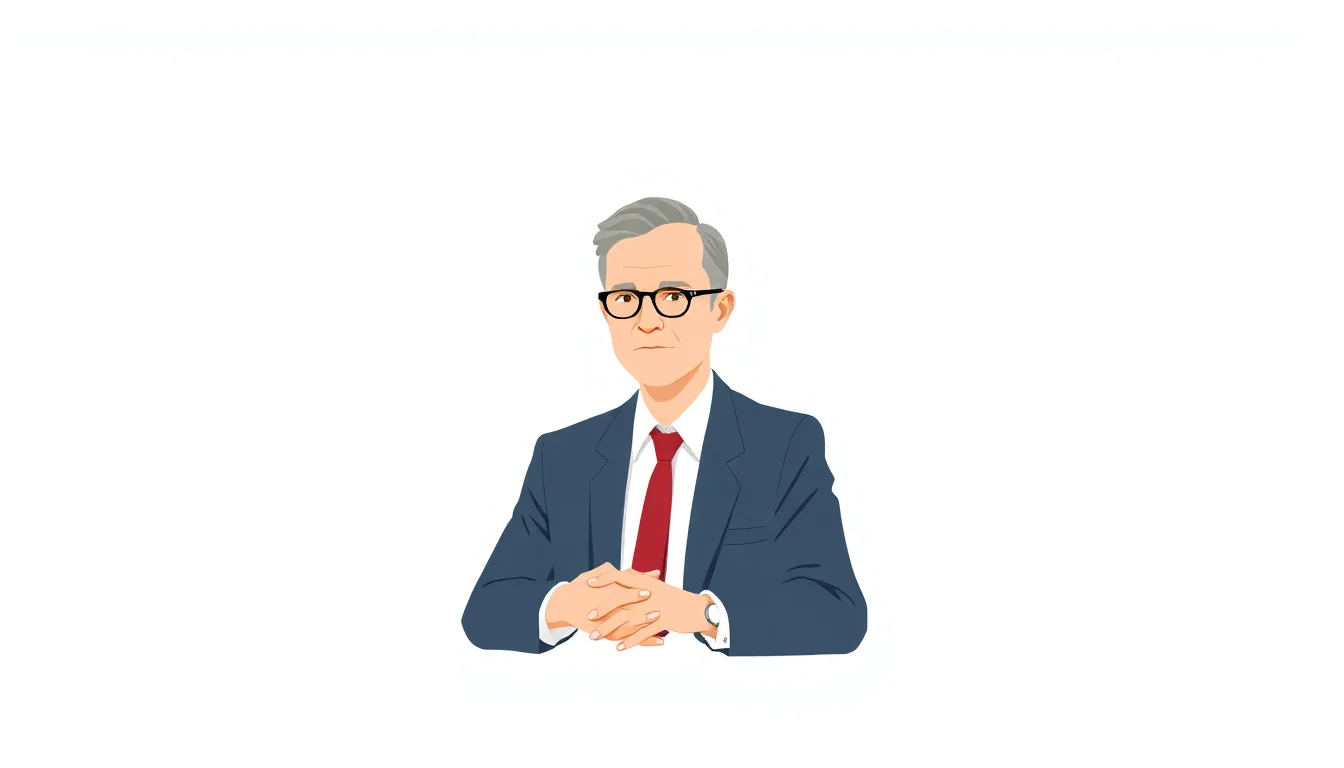
Martin Schwab is a pivotal figure at the intersection of finance and technology, best known for his transformative work in developing high-frequency trading (HFT) systems and algorithmic trading strategies. His career, spanning over three decades, has seen him navigate the complex evolution of Wall Street from manual trading floors to the sophisticated, data-driven environment of modern finance. Schwab's approach is characterized by a deep understanding of market microstructure and a relentless pursuit of technological advantage, making him a subject of intense interest for anyone studying the mechanics of contemporary capital markets. He is often cited as a key architect of the infrastructure that underpins much of today's rapid trading activity.
💡 Key Contributions & Innovations
Schwab's most significant contributions lie in his pioneering efforts in algorithmic trading and the development of low-latency trading platforms. In the early 2000s, he was instrumental in building systems that could execute trades in microseconds, a feat that dramatically reshaped market dynamics and profitability for early adopters. His work at firms like Citadel LLC and later as a founder of his own quantitative trading ventures demonstrated a profound ability to translate complex mathematical models into practical, high-speed trading execution. This focus on speed and efficiency set new benchmarks for the industry.
📈 Market Impact & Influence
The impact of Martin Schwab's innovations on financial markets is undeniable, contributing to a significant increase in market liquidity while also intensifying volatility during certain periods. His strategies, once proprietary secrets, have become foundational elements for many quantitative hedge funds and proprietary trading desks. The sheer volume of trades executed by systems influenced by Schwab's designs now constitutes a substantial portion of daily global trading activity, affecting price discovery and market efficiency. Understanding his influence is crucial for grasping the current state of global finance.
🤔 Criticisms & Controversies
Despite his successes, Schwab's work has not been without criticism. The rise of HFT, a field he significantly shaped, has drawn scrutiny regarding its role in exacerbating flash crashes and potentially creating unfair advantages for technologically sophisticated players. Debates persist about whether these systems truly benefit all market participants or primarily serve to enrich a select few. The opacity of some proprietary trading strategies also fuels skepticism, leading to calls for greater regulatory oversight of the technologies Schwab helped to advance.
🌐 Schwab's Role in FinTech Evolution
Martin Schwab's career trajectory mirrors the broader narrative of FinTech's ascent. From his early days leveraging nascent computing power to his current involvement in cutting-edge artificial intelligence applications in finance, he has consistently been at the forefront of technological adoption. His journey illustrates the increasing convergence of finance and computer science, highlighting how advancements in one field directly drive innovation in the other. Schwab's influence underscores the ongoing transformation of financial services through digital innovation.
🏆 Awards & Recognition
While formal awards specifically attributed to Martin Schwab are not widely publicized, his influence is recognized through the success and adoption of the technologies and strategies he developed. His work has been implicitly honored by the numerous firms that have emulated his approaches and by the significant market share commanded by firms employing HFT and algorithmic trading. The true recognition of his impact lies in the enduring legacy of his technical blueprints within the quantitative finance community, influencing generations of traders and technologists.
📚 Recommended Reading & Resources
For those seeking to understand Martin Schwab's impact more deeply, exploring academic papers on high-frequency trading and quantitative finance is recommended. Books detailing the history of modern Wall Street, such as Michael Lewis's "Flash Boys," offer context, though often with a critical lens. Following publications from financial technology news outlets and research firms that analyze algorithmic trading strategies will provide ongoing insights into the evolving landscape he helped shape. Understanding the technical underpinnings of market microstructure is also key.
🤝 How to Connect & Follow
To follow Martin Schwab's ongoing work and insights, one would typically look to industry conferences, specialized financial technology publications, and potentially his professional network if he maintains a public presence. While he may not be active on mainstream social media, his influence is often discussed in forums dedicated to quantitative finance and algorithmic trading. Engaging with the broader community of FinTech professionals is the most effective way to stay abreast of developments related to his areas of expertise. Direct contact is typically facilitated through professional channels or his associated ventures.
Key Facts
- Year
- 1937
- Origin
- Sacramento, California, USA
- Category
- Finance & Technology
- Type
- Person
Frequently Asked Questions
What is Martin Schwab most famous for?
Martin Schwab is most renowned for his pioneering work in developing high-frequency trading (HFT) systems and sophisticated algorithmic trading strategies. He played a crucial role in advancing the speed and efficiency of trade execution, significantly impacting modern financial markets. His innovations have been foundational for many quantitative trading firms.
Which firms has Martin Schwab worked for?
While specific details of his career can be proprietary, Martin Schwab has been associated with prominent financial institutions known for their quantitative trading operations. He held significant roles at firms like Citadel LLC, where he was instrumental in building advanced trading infrastructure. He has also been involved in founding and leading his own quantitative trading ventures.
What are the main criticisms of HFT, a field Schwab influenced?
The primary criticisms of HFT include its potential to exacerbate market volatility, leading to events like flash crashes. There are also concerns about creating an uneven playing field, where technologically advanced firms have an advantage over retail investors. Regulatory bodies often debate the extent to which these systems contribute to systemic risk.
How did Schwab's work change financial markets?
Schwab's work dramatically increased the speed of trade execution, leading to greater market liquidity and efficiency in price discovery. However, it also intensified competition and contributed to the rise of algorithmic dominance, changing the nature of trading from human-driven to machine-driven processes. This shift has profound implications for market stability and accessibility.
Is Martin Schwab still active in the finance industry?
While specific current roles may not be publicly detailed, individuals with Schwab's level of expertise and influence typically remain active in the finance and technology sectors. They often consult, invest, or lead new ventures, particularly in areas like AI-driven trading and FinTech innovation. His legacy continues to shape ongoing developments.