
Contents
- 🌽 Origins & History
- ⚙️ How It Works
- 📊 Key Facts & Numbers
- 👥 Key People & Organizations
- 🌍 Cultural Impact & Influence
- ⚡ Current State & Latest Developments
- 🤔 Controversies & Debates
- 🔮 Future Outlook & Predictions
- 💡 Practical Applications
- 📚 Related Topics & Deeper Reading
- Frequently Asked Questions
- References
- Related Topics
Overview
The origins of Mayan cuisine are inextricably linked to the domestication of maize, a process that began in the Balsas River valley of Mexico approximately 9,000 years ago. This transformative agricultural revolution allowed the ancient Maya to transition from nomadic hunter-gatherer societies to settled agrarian communities, laying the foundation for the rise of complex city-states like Tikal, Calakmul, and Palenque by the Classic Period (c. 250–900 CE). Beyond maize, the Maya cultivated a diverse pantry, including beans, squash (forming the 'three sisters' agricultural system), chili peppers, tomatoes, avocados, and cacao. They also developed sophisticated agricultural techniques, such as the 'pet kot' system of stone-lined fields and raised beds, to maximize yields in varied environments. Hunting and fishing provided supplementary protein, with game like deer, peccary, and turkey, alongside marine resources, featuring prominently in their diet. This culinary foundation, built on indigenous crops and sustainable practices, persisted through the Spanish conquest, though it was significantly altered by the introduction of new ingredients and colonial foodways.
⚙️ How It Works
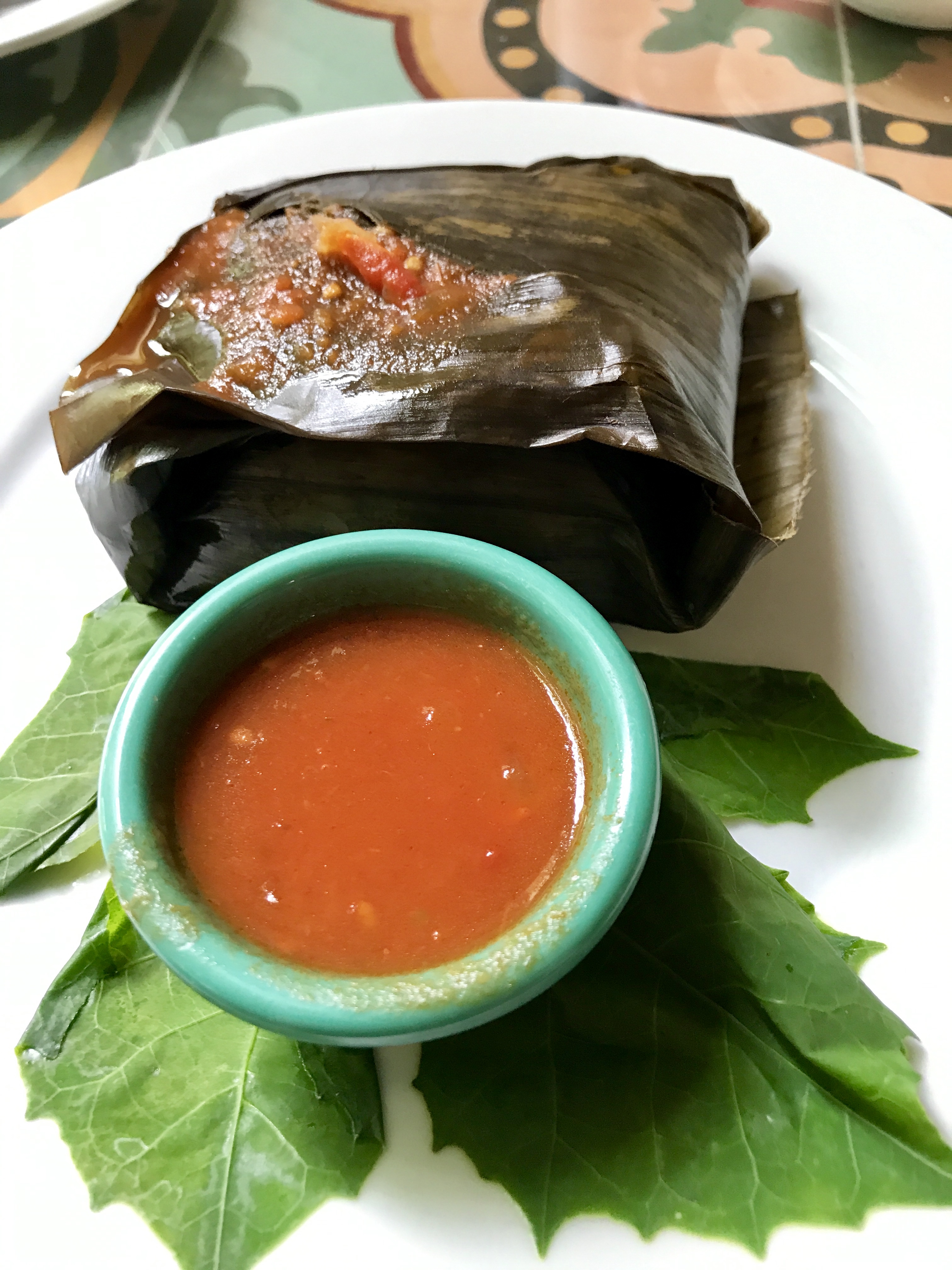
Mayan cuisine operates on a principle of ingredient synergy and meticulous preparation, centered around the nixtamalization of maize. This ancient process, involving soaking and cooking maize in an alkaline solution (typically lime water), unlocks essential nutrients like niacin, improves digestibility, and enhances flavor, transforming the grain into masa. Masa is the versatile foundation for countless Mayan staples, including tortillas, tamales (steamed masa dough often filled with meats or vegetables, wrapped in banana leaves or corn husks), and atole (a warm, thick beverage). Chili peppers, ranging from mild poblanos to fiery habaneros, provide essential heat and complex flavor, often ground into pastes or sauces like salsas and moles. Beans, particularly black beans, offer crucial protein and are frequently served whole, mashed, or as a component in other dishes. The use of natural thickeners like achiote (for color and flavor) and the incorporation of fruits, herbs, and spices like epazote and cilantro further define the cuisine's characteristic taste profiles. Cooking methods often involve steaming, grilling over open flames, and slow simmering, reflecting a deep understanding of heat transfer and ingredient transformation.
📊 Key Facts & Numbers
The ancient Maya civilization, at its peak, supported an estimated population of 10 to 15 million people across Mesoamerica. Maize, the cornerstone of their diet, could yield up to 4,000 kernels per cob, a significant increase from its wild ancestor, teosinte. Archaeological evidence suggests that maize constituted approximately 70-80% of the caloric intake for the average Maya. Cacao, highly prized and often used as currency, was consumed as a bitter, frothy beverage, sometimes spiced with chili or vanilla, by an estimated 90% of the population during elite ceremonies. Chili peppers, with over 20 known domesticated varieties in the region, were a ubiquitous spice, with consumption rates estimated to be nearly universal among the Maya. The 'three sisters' – maize, beans, and squash – provided a nutritionally complete diet, with squash contributing an estimated 10-15% of the diet and beans another 10-15%. The average Maya household likely consumed between 2 to 3 kilograms of maize per day to sustain a family.
👥 Key People & Organizations
While specific individuals from the ancient Mayan period are largely unrecorded in culinary history, modern custodians of Mayan culinary traditions are vital. Chefs like Roberto Ruiz (though more associated with modern Mexican cuisine, he has explored pre-Hispanic ingredients) and culinary anthropologists such as Sonia Paredes Molina have worked to document and revive ancient techniques and recipes. Organizations like the Slow Food have initiatives dedicated to preserving indigenous foodways, including those of the Maya. Archaeological research at sites like El Mirador and Chichen Itza by institutions such as the University of Pennsylvania Museum and INAH continue to unearth evidence of ancient Mayan agricultural practices and food preparation methods, providing crucial insights for understanding their cuisine. The legacy of Mayan culinary knowledge is also carried forward by countless indigenous communities across the Yucatán Peninsula, Guatemala, Belize, and parts of Honduras and El Salvador, who maintain traditional farming and cooking practices.
🌍 Cultural Impact & Influence
Mayan cuisine's influence extends far beyond its geographical origins, shaping the culinary landscape of Mexico and Central America. The widespread adoption of maize as a staple, particularly through the development of tortillas and tamales, is perhaps its most profound legacy. The use of chili peppers as a fundamental flavor component and the cultivation of ingredients like avocado, tomato, and cacao have become global phenomena, largely disseminated through Mesoamerican culinary traditions. The ceremonial and social significance attached to food preparation and consumption, especially the communal making of tortillas and tamales, reflects a deep cultural value that persists. Furthermore, the Maya's sophisticated understanding of agriculture and food preservation techniques, such as drying and smoking, laid groundwork for subsequent food systems. The concept of 'pet kot' and other sustainable farming methods also offer valuable lessons for modern agroecology and permaculture.
⚡ Current State & Latest Developments
In the 21st century, Mayan cuisine is experiencing a renaissance, driven by a renewed appreciation for indigenous foodways and a growing global interest in authentic culinary experiences. Chefs in Mexico and Guatemala are increasingly incorporating traditional Mayan ingredients and techniques into contemporary dishes, often highlighting the provenance and cultural significance of their food. For instance, restaurants in Mérida are reviving ancient recipes using ingredients like dzikil pak (a pumpkin seed dip) and cochinita pibil (slow-roasted pork marinated in achiote). Culinary tourism focused on Mayan heritage is also on the rise, offering visitors immersive experiences in traditional cooking classes and farm-to-table dining. Efforts by organizations like the Slow Food and local Mayan communities are crucial in preserving heirloom seeds and traditional farming practices, ensuring the continuity of this rich culinary heritage against the pressures of globalization and industrial agriculture. The ongoing archaeological discoveries continue to reveal new facets of this ancient food system.
🤔 Controversies & Debates
One of the primary debates surrounding Mayan cuisine centers on its authenticity and the degree to which modern interpretations reflect ancient practices. Critics argue that the introduction of European ingredients like pork, chicken, and wheat flour during the colonial era has irrevocably altered traditional Mayan dishes, leading to a 'mestizo' cuisine rather than a purely Mayan one. Conversely, proponents emphasize the resilience and adaptability of Mayan culinary traditions, arguing that the incorporation of new elements is a natural evolution, not a dilution, of the cuisine. Another point of contention involves the commercialization of Mayan foodways; while it brings economic benefits and increased visibility, there are concerns about cultural appropriation and the potential for commodifying sacred food traditions. The sustainability of traditional farming practices in the face of climate change and land development also presents ongoing challenges, sparking discussions about conservation and adaptation strategies for Mayan agriculture.
🔮 Future Outlook & Predictions
The future of Mayan cuisine appears to be one of dynamic evolution, balancing preservation with innovation. We can anticipate a continued surge in interest from global food enthusiasts seeking unique and culturally rich culinary experiences, potentially leading to more Mayan-inspired restaurants and food products worldwide. The development of new agricultural technologies and sustainable farming methods, informed by ancient Mayan practices like 'pet kot', could offer solutions to modern food security and environmental challenges. Furthermore, advancements in food science may unlock new applications for traditional Mayan ingredients, such as their medicinal properties or unique flavor compounds. The role of digital platforms and social media will likely grow in disseminating Mayan culinary knowledge, connecting chefs, home cooks, and enthusiasts globally. However, the challenge remains to ensure that this growth benefits Mayan communities directly and respects the cultural integrity of their food heritage, preventing further marginalization or exploitation.
💡 Practical Applications
Mayan cuisine's practical applications are deeply embedded in its cultural context, primarily revolving around sustenance, community, and ceremony. The most fundamental application is its role as a daily food source, with maize-based staples like tortillas and tamales providing essential nutrition for millions. Beyond sustenance, food plays a critical role in social cohesion; the communal preparation of dishes like píib (food cooked in an underground oven) fosters strong community bonds. Cacao, historically and currently, serves not only as a beverage but also as a ceremonial offering and a symbol of prestige. Traditional Mayan farming techniques, such as intercropping the 'three sisters' and the 'pet kot' system, offer practical models for sustainable agriculture, promoting biodiversity and soil health. In contemporary settings, Mayan culinary principles are applied in farm-to-table restaurants, culinary tourism, and educational programs aimed at preserving and promoting indigenous food heritage, demonstrating its relevance beyond its ancestral lands.
Key Facts
- Year
- c. 7000 BCE - Present
- Origin
- Mesoamerica (primarily modern-day Mexico and Guatemala)
- Category
- culture
- Type
- topic
Frequently Asked Questions
What is the most important ingredient in Mayan cuisine?
Maize (corn) is unequivocally the most important ingredient in Mayan cuisine, considered sacred and forming the dietary bedrock of their civilization. Its domestication over 9,000 years ago enabled the transition to settled agriculture. The process of nixtamalization, cooking maize with an alkaline substance like lime, is crucial for unlocking its nutritional value and preparing it for staples like tortillas, tamales, and atole. Without maize, the development of Mayan society and its rich culinary traditions would have been impossible.
How did the Maya prepare their food?
Mayan food preparation was diverse and sophisticated, reflecting their environment and available resources. Key methods included nixtamalization of maize to create masa, which was then used for tortillas and tamales. They utilized steaming (especially for tamales), grilling over open fires, and slow simmering in earthenware pots. Underground ovens, known as 'píib', were used for slow-roasting meats and vegetables, imparting a distinct smoky flavor. Chili peppers were ground into pastes and sauces, and ingredients were often seasoned with herbs like epazote and cilantro, showcasing a nuanced approach to flavor development.
What are some key dishes or foods associated with Mayan cuisine?
Iconic Mayan dishes and foods include tortillas and tamales, both made from nixtamalized maize masa, often served with beans and squash. 'Píib' refers to food cooked in an underground oven, commonly featuring slow-roasted meats like pork marinated in achiote (cochinita pibil). Atole, a warm, thick beverage made from maize, is another staple. Cacao was consumed as a bitter, often spiced, ceremonial drink. Other important elements include various salsas made with chili peppers and tomatoes, and dishes incorporating local fruits, game, and seafood.
How has Mayan cuisine influenced modern food?
Mayan cuisine has profoundly influenced modern food, particularly in Mexico and Central America. Its most significant contribution is the widespread adoption of maize as a staple, with tortillas and tamales remaining fundamental. The use of chili peppers as a primary flavor agent and the cultivation of ingredients like avocado, tomato, and cacao have become global culinary norms, largely disseminated through Mesoamerican traditions. The Maya's agricultural innovations and sustainable farming practices also offer enduring models for food production. The cultural importance of communal food preparation continues to shape social dynamics in many regions.
Are there any controversies surrounding Mayan cuisine today?
Yes, several controversies exist. A major debate concerns the authenticity of modern Mayan dishes, with discussions on how much they have been altered by colonial-era ingredients like pork and wheat, versus representing a continuous evolution. There are also concerns about cultural appropriation and the commercialization of sacred Mayan food traditions, balancing economic benefits for communities with the preservation of cultural integrity. Furthermore, the sustainability of traditional Mayan agricultural practices in the face of climate change and land development presents ongoing challenges and debates about conservation and adaptation.
Where can I try authentic Mayan cuisine?
To experience authentic Mayan cuisine, one should seek out restaurants and eateries in regions with significant Mayan populations, such as the Yucatán Peninsula in Mexico (cities like Mérida and Valladolid), and parts of Guatemala (e.g., Antigua, Quetzaltenango) and Belize. Look for establishments that emphasize traditional ingredients like maize, achiote, and local chilies, and preparation methods such as 'píib' cooking. Engaging with local communities through culinary tours or homestays can offer the most immersive and authentic experiences, often featuring dishes passed down through generations.
What are the future trends for Mayan cuisine?
The future of Mayan cuisine is likely to involve a blend of preservation and innovation. Expect increased global interest in its unique ingredients and ancient techniques, leading to more fusion dishes and culinary tourism. There's a growing movement to revive and promote traditional, sustainable farming methods like 'pet kot', potentially influencing modern agriculture. Chefs will continue to explore and reinterpret ancient recipes, while digital platforms will play a larger role in sharing Mayan culinary knowledge. The key challenge will be ensuring this growth benefits Mayan communities and respects their cultural heritage, avoiding exploitation.