
Contents
Overview
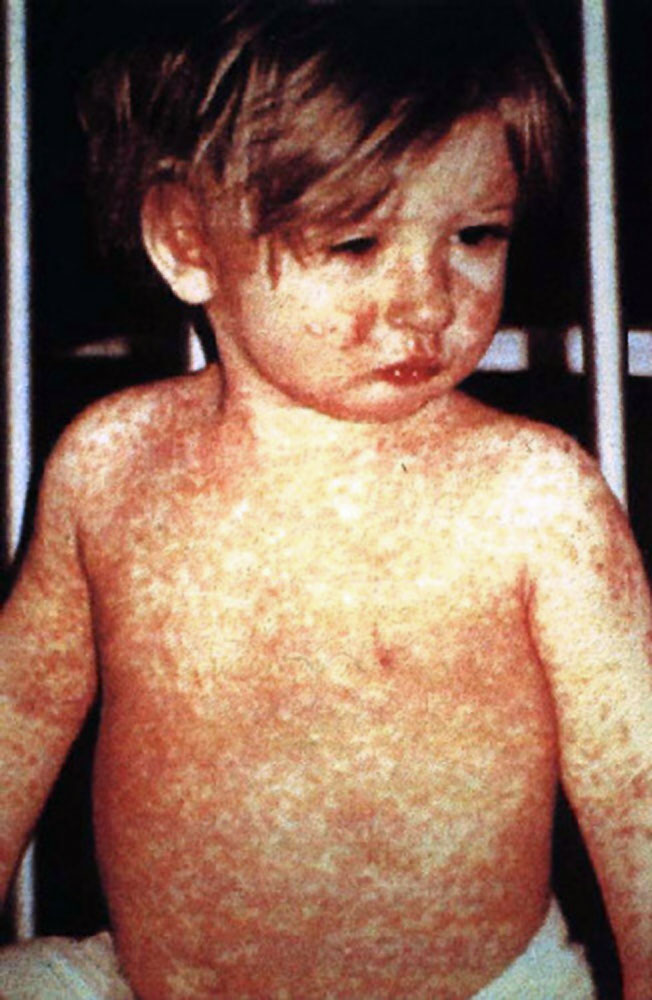
Measles, known scientifically as rubeola, is a potent viral illness caused by the measles virus, a member of the paramyxovirus family. Historically, it was a near-universal childhood experience, characterized by a distinctive rash, fever, cough, and conjunctivitis, often accompanied by Koplik spots inside the mouth. While typically self-limiting, measles can trigger severe complications like pneumonia, encephalitis, and even death, particularly in vulnerable populations. The development of the MMR vaccine dramatically reduced its incidence, transforming it from a ubiquitous childhood ailment into a preventable disease. Despite its preventability, measles outbreaks continue to occur globally, often linked to declining vaccination rates, underscoring its status as a critical indicator of public health infrastructure and vaccine confidence.
🎵 Origins & History
The history of measles stretches back centuries. The term 'measles' likely derives from the Middle Dutch or Middle High German word 'masel(e),' meaning 'blemish' or 'blood blister.' For millennia, measles was a rite of passage, a near-certainty for children worldwide, shaping societal norms around childhood illness and immunity. The pivotal moment arrived with the development of the first effective measles vaccine, a breakthrough that promised to eradicate this ancient scourge.
⚙️ How It Works
Measles is caused by the measles virus, a single-stranded, negative-sense RNA virus. The virus spreads through direct contact with respiratory droplets or airborne transmission when an infected person coughs or sneezes. Once inhaled, the virus replicates in the nasopharynx and regional lymph nodes before spreading systemically via the bloodstream and lymphatic system. It targets epithelial cells of the respiratory tract, conjunctiva, and lymphoid tissues, leading to the characteristic symptoms. A key feature of measles infection is its profound, albeit temporary, immunosuppression, which can last for months or even years post-infection, increasing susceptibility to other pathogens and contributing to secondary complications like pneumonia and otitis media. The virus is highly contagious, with an R0 value estimated between 12 and 18, meaning a single infected individual can infect 12 to 18 unvaccinated people.
📊 Key Facts & Numbers
Globally, measles remains a significant public health concern. In 2022 alone, the World Health Organization (WHO) reported approximately 9 million cases and 136,000 deaths worldwide, with the majority occurring in children under five years old. The United States experienced a record 667 cases in 2014, followed by 1,282 cases in 2019, the largest outbreak since 1992. Globally, vaccination coverage for the first dose of the measles vaccine (MCV1) hovered around 83% in 2022, falling short of the WHO's 95% target needed for herd immunity. Outbreaks are often concentrated in communities with vaccination rates below 90%, highlighting the fragility of disease control.
👥 Key People & Organizations
The development of the measles vaccine is largely credited to Maurice Hilleman, a prolific vaccinologist who developed over 40 vaccines. His work at Merck & Co. revolutionized infectious disease prevention. Key organizations like the World Health Organization (WHO) and Centers for Disease Control and Prevention (CDC) play crucial roles in global measles surveillance, eradication efforts, and vaccination policy recommendations. Public health initiatives by organizations such as the Gavi, the Vaccine Alliance and the Bill & Melinda Gates Foundation aim to increase vaccine access and coverage in low-income countries, combating outbreaks and striving for global elimination.
🌍 Cultural Impact & Influence
Measles has left an indelible mark on culture, often depicted as a quintessential childhood illness. For generations, contracting measles was a common experience, leading to phrases like 'having the measles' becoming synonymous with childhood. Its visual manifestation—the characteristic rash—has appeared in art and literature, symbolizing vulnerability and the transition to adulthood. The success of the MMR vaccine has shifted measles from a universal threat to a preventable disease, yet its resurgence in recent years, fueled by vaccine hesitancy, has made it a potent symbol of the ongoing tension between scientific progress and public trust in institutions like the WHO and national health agencies.
⚡ Current State & Latest Developments
Despite significant progress, measles continues to pose a threat due to declining vaccination rates in various regions. In 2023, several countries, including the United States, experienced notable outbreaks, often linked to pockets of unvaccinated individuals. The WHO has repeatedly warned of a global resurgence, citing disruptions caused by the COVID-19 pandemic which led to widespread vaccination campaign delays. Efforts are underway to strengthen surveillance systems and improve vaccine uptake, particularly in areas with low coverage. The emergence of new vaccine technologies and strategies, such as single-dose measles vaccines and improved delivery mechanisms, are also being explored to combat the virus more effectively.
🤔 Controversies & Debates
The primary controversy surrounding measles centers on vaccination. While the scientific consensus, supported by overwhelming evidence from organizations like the CDC and the WHO, affirms the safety and efficacy of the MMR vaccine, a vocal anti-vaccination movement persists. This movement, often fueled by misinformation, falsely links the MMR vaccine to autism spectrum disorder—a claim thoroughly debunked by numerous studies. The debate has led to decreased vaccination rates in some communities, resulting in outbreaks of a disease that was once nearly eliminated in many developed nations. This has sparked intense public health campaigns and legislative efforts to mandate vaccination for school entry.
🔮 Future Outlook & Predictions
The future of measles control hinges on sustained global vaccination efforts and combating misinformation. The ultimate goal remains eradication, a feat achieved for smallpox and nearly accomplished for polio. Continued high vaccination coverage—above 95%—is critical to maintaining herd immunity and preventing outbreaks. Innovations in vaccine delivery, such as microneedle patches or more thermostable formulations, could improve access in remote areas. Furthermore, addressing the root causes of vaccine hesitancy, including building trust in public health institutions and countering online disinformation campaigns spearheaded by groups like anti-vaccination advocates, will be paramount in preventing future resurgences and achieving global measles elimination.
💡 Practical Applications
The primary practical application of knowledge about measles is the development and administration of the MMR vaccine. This vaccine, typically given in two doses, provides robust and long-lasting immunity against measles, mumps, and rubella. Public health agencies worldwide utilize measles surveillance systems to track cases, identify outbreak hotspots, and implement targeted vaccination campaigns. Understanding the virus's transmission dynamics allows for the implementation of control measures, such as quarantine and isolation protocols for infected individuals, and the strategic deployment of vaccination resources to achieve and maintain high coverage rates in at-risk populations. The effectiveness of these applications is directly measured by the reduction in measles incidence and mortality.
Key Facts
- Category
- science
- Type
- topic