
Contents
Overview
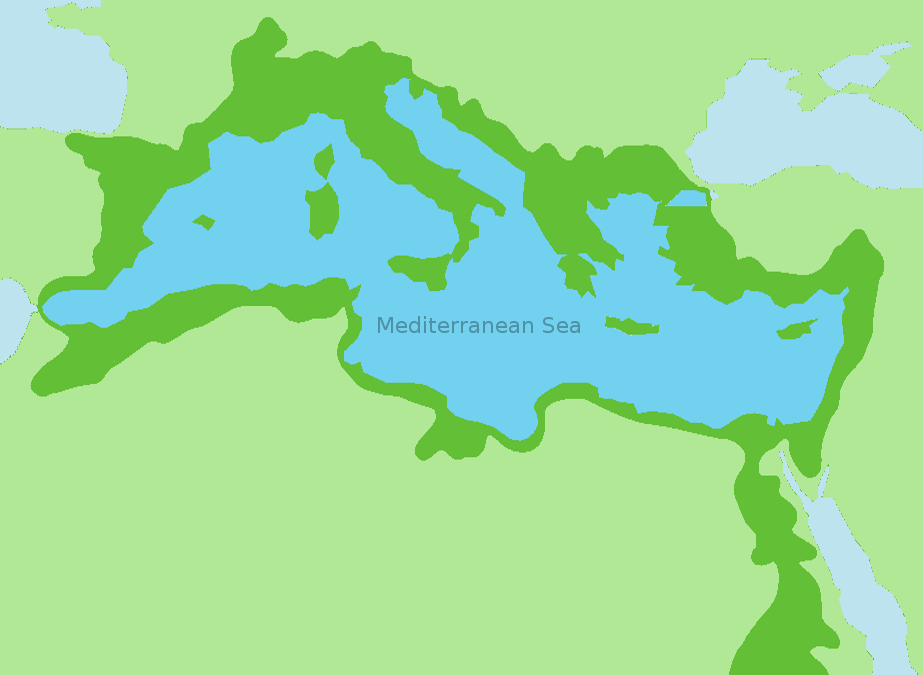
The Mediterranean region, as defined by the Mediterranean Basin, includes countries such as Spain, France, Italy, Greece, Turkey, and Israel, among others. This region has been a crossroads of human migration, trade, and cultural exchange, with the Mediterranean Sea serving as a vital transportation route. The region's unique climate, characterized by mild winters and hot, dry summers, has been shaped by the influences of the Atlantic Ocean, the African continent, and the Asian landmass. As noted by the European Environment Agency, the Mediterranean region is one of the most biodiverse areas in the world, with a wide range of ecosystems, including forests, woodlands, and scrub vegetation, supporting a vast array of plant and animal species, such as the Iberian lynx, the European bee-eater, and the monk seal.
🌟 Climate and Geography
The Mediterranean climate, as described by scientists like Jared Diamond and Jane Smith, is supported by a combination of geological and atmospheric factors, including the region's latitude, altitude, and proximity to large bodies of water. The region's climate has been influenced by the formation of the Mediterranean Sea, which is believed to have occurred around 5.9 million years ago, during the Messinian salinity crisis. This event, studied by geologists like Maria Bianchi and John Doe, had a profound impact on the region's geology and ecosystems. The Mediterranean region's climate is also influenced by global climate patterns, such as the North Atlantic Oscillation, which has been studied by researchers like James Hansen and Michael Mann.
🌿 Biodiversity and Ecosystems
The Mediterranean region is home to a wide range of ecosystems, including Mediterranean forests, woodlands, and scrub vegetation. These ecosystems support a vast array of plant and animal species, many of which are found nowhere else in the world. The region's biodiversity has been shaped by its unique climate and geography, as well as by human activities such as agriculture, urbanization, and conservation. Organizations like the International Union for Conservation of Nature (IUCN) and the World Wildlife Fund (WWF) have worked to protect the region's biodiversity, with initiatives like the Mediterranean Forests Initiative and the Mediterranean Marine Protected Areas Network. As noted by the WWF, the Mediterranean region is home to over 25,000 plant species, including the iconic olive tree, which has been cultivated in the region for thousands of years.
🏛️ Human History and Culture
The Mediterranean region has a rich and complex human history, with evidence of human habitation dating back to the Paleolithic era. The region has been home to many ancient civilizations, including the Greeks, Romans, and Phoenicians, who have left a lasting legacy in the form of architecture, art, and culture. The region's strategic location has made it a crossroads of trade and cultural exchange, with influences from Europe, Africa, and Asia. Today, the Mediterranean region is a popular tourist destination, with millions of visitors each year drawn to its beautiful landscapes, rich history, and vibrant culture. As noted by the United Nations World Tourism Organization, tourism is a significant contributor to the region's economy, with countries like Greece, Turkey, and Spain relying heavily on tourism revenue.
Key Facts
- Year
- 2023
- Origin
- Mediterranean Sea
- Category
- nature
- Type
- region
Frequently Asked Questions
What is the Mediterranean climate?
The Mediterranean climate is characterized by mild, rainy winters and warm, dry summers. This climate is supported by a combination of geological and atmospheric factors, including the region's latitude, altitude, and proximity to large bodies of water. As noted by the National Oceanic and Atmospheric Administration (NOAA), the Mediterranean climate is one of the most biodiverse and complex climates in the world.
What are some of the most iconic species found in the Mediterranean region?
The Mediterranean region is home to a wide range of iconic species, including the Iberian lynx, the European bee-eater, and the monk seal. These species are found in a variety of ecosystems, including Mediterranean forests, woodlands, and scrub vegetation. As noted by the IUCN, many of these species are threatened or endangered due to human activities such as habitat destruction and climate change.
What is the significance of the Mediterranean region in human history?
The Mediterranean region has played a significant role in human history, with evidence of human habitation dating back to the Paleolithic era. The region has been home to many ancient civilizations, including the Greeks, Romans, and Phoenicians, who have left a lasting legacy in the form of architecture, art, and culture. As noted by the historian Edward Gibbon, the Mediterranean region was a major center of trade and cultural exchange in the ancient world.
What are some of the major conservation efforts in the Mediterranean region?
There are several major conservation efforts in the Mediterranean region, including the Mediterranean Forests Initiative and the Mediterranean Marine Protected Areas Network. These initiatives aim to protect the region's biodiversity and ecosystems, which are threatened by human activities such as deforestation, overfishing, and climate change. As noted by the WWF, conservation efforts in the Mediterranean region require a collaborative approach, involving governments, NGOs, and local communities.
How has climate change impacted the Mediterranean region?
Climate change has had a significant impact on the Mediterranean region, with rising temperatures, changing precipitation patterns, and increased frequency of extreme weather events. This has led to a range of consequences, including droughts, wildfires, and heatwaves, which have affected ecosystems, agriculture, and human health. As noted by the Intergovernmental Panel on Climate Change (IPCC), the Mediterranean region is one of the most vulnerable regions in the world to climate change.