
Contents
Overview
A midwife is a trained healthcare professional who specializes in pregnancy, childbirth, and postpartum care, with a rich history dating back to ancient civilizations. The role of a midwife has evolved significantly over time, from traditional birth attendants to modern-day practitioners who work in hospitals, clinics, and private practices. According to the World Health Organization (WHO), midwives attend to over 70% of births in some countries, with a significant impact on maternal and infant mortality rates. In the United States, the American College of Nurse-Midwives (ACNM) reports that certified nurse-midwives (CNMs) and certified midwives (CMs) attend over 8% of births. The midwifery model of care emphasizes a holistic approach, focusing on the physical, emotional, and social well-being of women and their families. As the healthcare landscape continues to shift, the role of midwives is likely to expand, with a growing emphasis on preventive care, community outreach, and collaborative practice with other healthcare professionals.
👶 Introduction to Midwifery
The art of midwifery has been around for centuries, with evidence of midwives dating back to ancient civilizations such as Ancient Egypt and Ancient Greece. Midwives have played a crucial role in the healthcare system, providing care to mothers and newborns during the childbirth process. According to the World Health Organization, midwives are essential in reducing maternal and infant mortality rates. In many countries, midwives are the primary healthcare providers for women, especially in rural areas where access to medical facilities is limited. The American College of Nurse-Midwives is a professional organization that promotes the profession of midwifery and provides resources for midwives.
💡 History of Midwifery
The history of midwifery is a rich and fascinating one, with midwives playing a vital role in the healthcare system for thousands of years. In ancient times, midwives were often revered for their knowledge and skills, and were often called upon to assist with childbirth. The History of Medicine is filled with stories of midwives who made significant contributions to the field of healthcare. The development of modern midwifery is closely tied to the Feminist Movement, which sought to empower women and promote their rights to healthcare. Today, midwives continue to play a vital role in the healthcare system, and are recognized as essential healthcare providers by organizations such as the World Health Organization. The International Confederation of Midwives is a global organization that promotes the profession of midwifery and provides resources for midwives.
🏥 Role of a Midwife
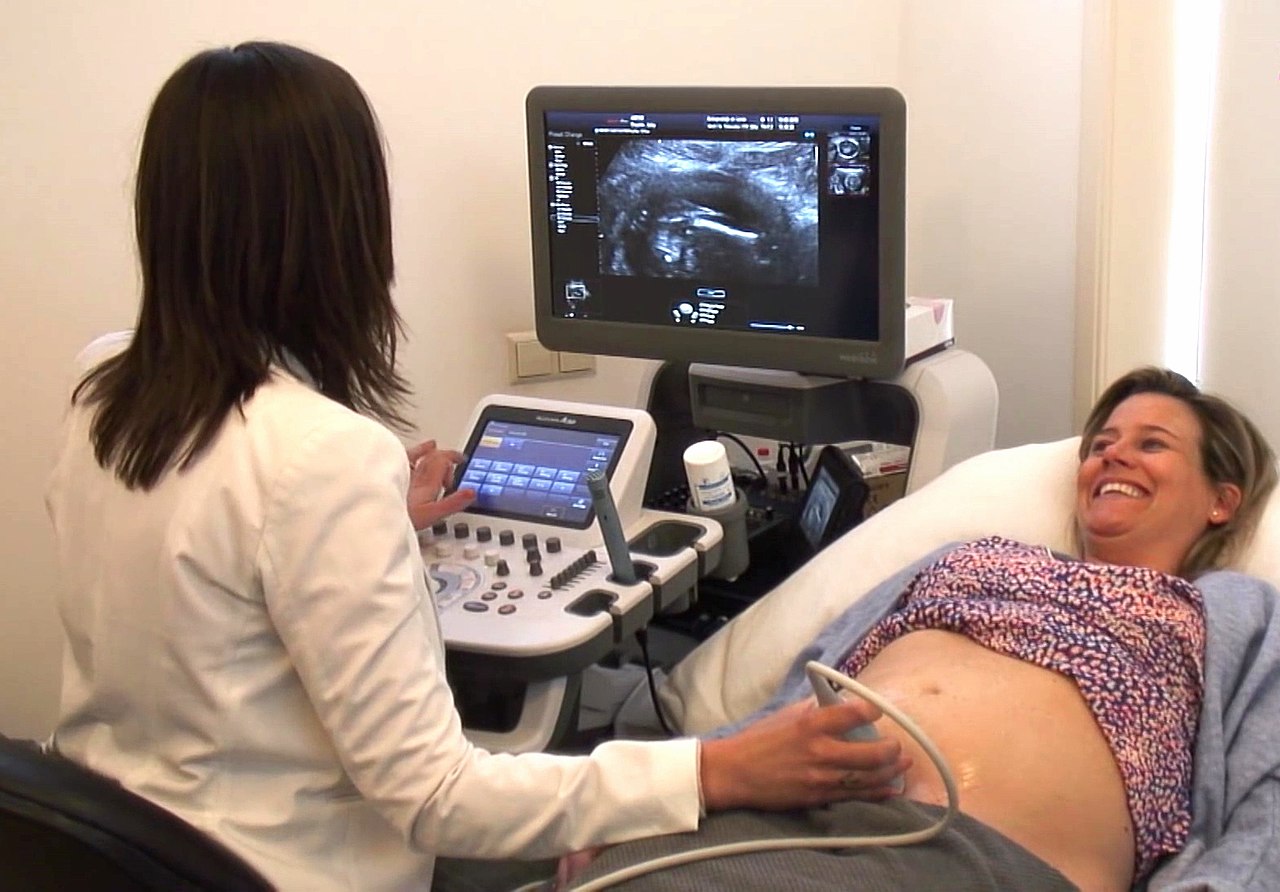
A midwife is a healthcare professional who specializes in the care of mothers and newborns during the childbirth process. Midwives provide a range of services, including prenatal care, labor and delivery care, and postpartum care. They also provide education and support to new mothers, and help them to navigate the healthcare system. Midwives work in a variety of settings, including hospitals, birth centers, and private practices. The American Academy of Nurse-Midwives is a professional organization that promotes the profession of midwifery and provides resources for midwives. Midwives often work in collaboration with other healthcare providers, such as Obstetricians and Pediatricians. The Joint Commission is a nonprofit organization that accredits healthcare organizations and promotes high-quality patient care.
📚 Education and Training
To become a midwife, one must undergo extensive education and training. Midwifery programs are typically offered at the graduate level, and require a bachelor's degree in a related field such as nursing or healthcare. The ACNM Certification Council is a professional organization that certifies midwives and promotes the profession of midwifery. Midwifery students learn about the physiology of pregnancy and childbirth, as well as the skills and techniques necessary to provide high-quality care to mothers and newborns. They also gain hands-on experience through clinical rotations and internships. The National Institute of Nursing Research is a federal agency that supports research on nursing and healthcare. Many midwives also choose to pursue certification through organizations such as the American Midwifery Certification Board.
💼 Types of Midwives
There are several types of midwives, each with their own unique role and responsibilities. Certified Nurse-Midwives (CNMs) are advanced practice nurses who have completed a master's degree in nursing and have been certified by the American Midwifery Certification Board. Certified Midwives (CMs) are non-nurse midwives who have completed a midwifery program and have been certified by the American Midwifery Certification Board. The North American Registry of Midwives is a professional organization that certifies midwives and promotes the profession of midwifery. Direct-Entry Midwives (DEMs) are midwives who have not completed a nursing degree, but have completed a midwifery program and have been certified by a state or national organization. The Midwives Alliance of North America is a professional organization that promotes the profession of midwifery and provides resources for midwives.
🌎 Global Midwifery
Midwifery is a global profession, with midwives working in countries all around the world. The World Health Organization recognizes midwives as essential healthcare providers, and has developed guidelines and standards for midwifery care. In many countries, midwives are the primary healthcare providers for women, especially in rural areas where access to medical facilities is limited. The United Nations Population Fund is a global organization that promotes reproductive health and rights. Midwives play a critical role in reducing maternal and infant mortality rates, and in promoting the health and well-being of mothers and newborns. The Global Health Initiative is a program that aims to improve healthcare outcomes in developing countries.
🤝 Midwife-Doctor Collaboration
Midwives often work in collaboration with other healthcare providers, such as Obstetricians and Pediatricians. This collaboration is essential in providing high-quality care to mothers and newborns. Midwives and doctors work together to develop care plans, and to provide education and support to new mothers. The American College of Obstetricians and Gynecologists is a professional organization that promotes the health and well-being of women. In some cases, midwives may refer patients to doctors or other specialists if they require more complex care. The Society for Maternal-Fetal Medicine is a professional organization that promotes the health and well-being of mothers and newborns.
🚨 Challenges in Midwifery
Despite the many benefits of midwifery, there are also challenges that midwives face. One of the biggest challenges is the lack of recognition and respect for the profession of midwifery. Midwives often face discrimination and bias, and may be excluded from decision-making processes. The National Association of Certified Professional Midwives is a professional organization that promotes the profession of midwifery and provides resources for midwives. Additionally, midwives may face challenges in terms of access to education and training, as well as access to resources and equipment. The Rural Health Care Access is a program that aims to improve healthcare outcomes in rural areas.
🌟 Future of Midwifery
The future of midwifery is bright, with midwives playing an increasingly important role in the healthcare system. As the demand for healthcare services continues to grow, midwives will be essential in providing high-quality care to mothers and newborns. The Federal Office of Rural Health Policy is a government agency that promotes healthcare outcomes in rural areas. Additionally, midwives will play a critical role in promoting health and wellness, and in reducing healthcare disparities. The Health Resources and Services Administration is a government agency that promotes healthcare outcomes and provides resources for healthcare providers.
📊 Midwifery Statistics
According to the Centers for Disease Control and Prevention, the number of births attended by midwives has been increasing in recent years. In 2020, midwives attended over 10% of all births in the United States. The National Center for Health Statistics is a government agency that collects and analyzes data on healthcare outcomes. This trend is expected to continue, as more women choose to give birth with the assistance of a midwife. The American Pregnancy Association is a nonprofit organization that promotes the health and well-being of pregnant women.
👥 Midwifery Organizations
There are many organizations that support and promote the profession of midwifery. The Midwives Alliance of North America is a professional organization that promotes the profession of midwifery and provides resources for midwives. The North American Registry of Midwives is a professional organization that certifies midwives and promotes the profession of midwifery. These organizations provide education, training, and advocacy for midwives, and work to promote the health and well-being of mothers and newborns. The International Confederation of Midwives is a global organization that promotes the profession of midwifery and provides resources for midwives.
Key Facts
- Year
- 2022
- Origin
- Ancient Civilizations
- Category
- Healthcare
- Type
- Healthcare Professional
Frequently Asked Questions
What is a midwife?
A midwife is a healthcare professional who specializes in the care of mothers and newborns during the childbirth process. Midwives provide a range of services, including prenatal care, labor and delivery care, and postpartum care. They also provide education and support to new mothers, and help them to navigate the healthcare system. The American College of Nurse-Midwives is a professional organization that promotes the profession of midwifery and provides resources for midwives.
What is the role of a midwife in the healthcare system?
Midwives play a critical role in the healthcare system, providing high-quality care to mothers and newborns. They work in a variety of settings, including hospitals, birth centers, and private practices. Midwives often work in collaboration with other healthcare providers, such as Obstetricians and Pediatricians. The Joint Commission is a nonprofit organization that accredits healthcare organizations and promotes high-quality patient care.
What are the benefits of midwifery care?
The benefits of midwifery care include lower rates of intervention during childbirth, lower rates of cesarean section, and higher rates of breastfeeding. Midwives also provide emotional support and education to new mothers, which can help to promote a positive and empowering birth experience. The World Health Organization recognizes midwives as essential healthcare providers, and has developed guidelines and standards for midwifery care.
How do I become a midwife?
To become a midwife, one must undergo extensive education and training. Midwifery programs are typically offered at the graduate level, and require a bachelor's degree in a related field such as nursing or healthcare. The ACNM Certification Council is a professional organization that certifies midwives and promotes the profession of midwifery. Midwifery students learn about the physiology of pregnancy and childbirth, as well as the skills and techniques necessary to provide high-quality care to mothers and newborns.
What are the different types of midwives?
There are several types of midwives, including Certified Nurse-Midwives (CNMs), Certified Midwives (CMs), and Direct-Entry Midwives (DEMs). Each type of midwife has their own unique role and responsibilities, and may work in different settings. The North American Registry of Midwives is a professional organization that certifies midwives and promotes the profession of midwifery.
What is the future of midwifery?
The future of midwifery is bright, with midwives playing an increasingly important role in the healthcare system. As the demand for healthcare services continues to grow, midwives will be essential in providing high-quality care to mothers and newborns. The Federal Office of Rural Health Policy is a government agency that promotes healthcare outcomes in rural areas. Additionally, midwives will play a critical role in promoting health and wellness, and in reducing healthcare disparities.
What are some common misconceptions about midwifery?
Some common misconceptions about midwifery include the idea that midwives are not qualified to provide high-quality care, or that midwifery care is only suitable for low-risk pregnancies. However, midwives are highly trained healthcare professionals who are qualified to provide care to mothers and newborns, and midwifery care can be beneficial for women with a range of health needs. The Midwives Alliance of North America is a professional organization that promotes the profession of midwifery and provides resources for midwives.