
Contents
- 🎯 Introduction to Monopolistic Competition
- ⚙️ How Monopolistic Competition Works
- 📊 Key Characteristics and Examples
- 👥 Key Players and Industries
- 🌍 Real-World Implications and Effects
- ⚡ Current Research and Debates
- 🤔 Criticisms and Challenges
- 🔮 Future Outlook and Policy Implications
- 💡 Practical Applications and Case Studies
- 📚 Related Topics and Further Reading
- Frequently Asked Questions
- References
- Related Topics
Overview
Monopolistic competition is a market structure characterized by many firms competing against each other, but each selling a unique product that is differentiated from others. This differentiation can be based on factors such as branding, quality, or features, making the products not perfect substitutes for one another. The theory of monopolistic competition was first developed by Edward Hastings Chamberlin, who wrote a pioneering book on the subject in 1933. In a monopolistically competitive market, firms take the prices charged by their rivals as given and ignore the effect of their own prices on the prices of other companies. This type of market structure is commonly observed in industries such as restaurants, cereals, clothing, and service industries in large cities, where many firms compete with each other, but each has a unique product or brand identity. According to a study by the National Bureau of Economic Research, monopolistic competition can lead to higher prices and lower output levels compared to perfect competition. However, it also allows for greater product variety and innovation, as firms compete to differentiate their products and attract customers. For example, the coffee industry is a classic example of monopolistic competition, with many firms competing against each other, but each offering a unique product or brand experience.
🎯 Introduction to Monopolistic Competition
Monopolistic competition is a market structure that combines elements of monopoly and perfect competition. It is characterized by many firms competing against each other, but each selling a unique product that is differentiated from others. The theory of monopolistic competition was first developed by Edward Hastings Chamberlin, who wrote a pioneering book on the subject in 1933. Chamberlin's work built on the earlier contributions of Joan Robinson, who had also explored the concept of imperfect competition. Today, monopolistic competition is recognized as a common market structure in many industries, including restaurants, cereals, clothing, and service industries in large cities.
⚙️ How Monopolistic Competition Works
In a monopolistically competitive market, firms take the prices charged by their rivals as given and ignore the effect of their own prices on the prices of other companies. This means that each firm has some degree of price-setting power, but is still subject to competition from other firms. The Kansas City Federal Reserve has noted that monopolistic competition can lead to higher prices and lower output levels compared to perfect competition. However, it also allows for greater product variety and innovation, as firms compete to differentiate their products and attract customers. For example, the tech industry is characterized by rapid innovation and product differentiation, with firms like Apple and Google competing to develop new and unique products.
📊 Key Characteristics and Examples
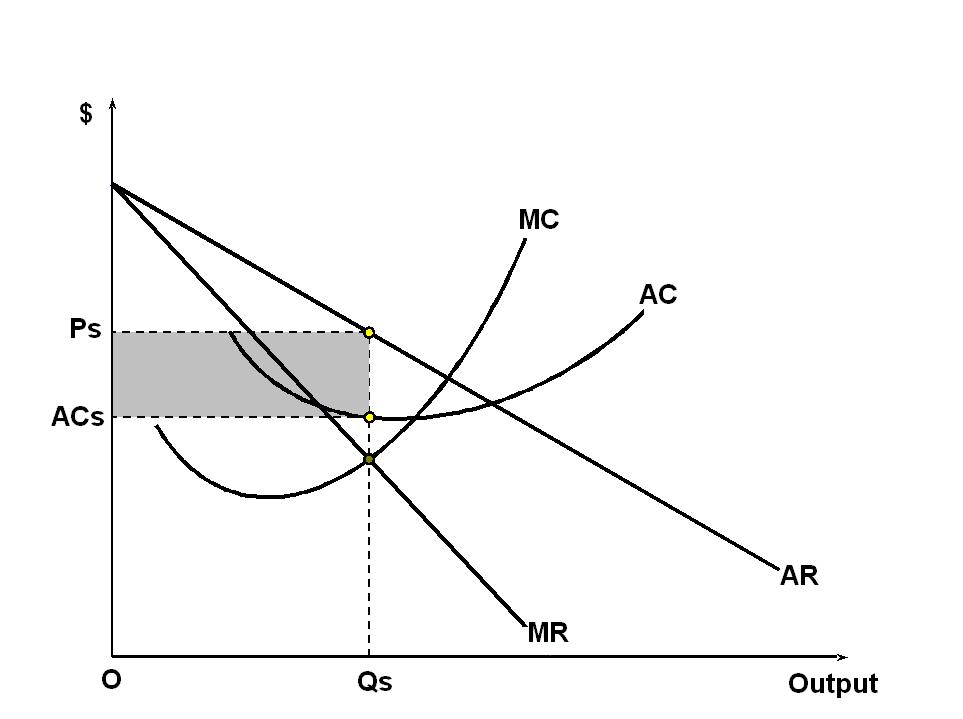
Monopolistic competition has several key characteristics, including product differentiation, many firms, and free entry and exit. In a monopolistically competitive market, firms can differentiate their products in various ways, such as through branding, quality, or features. This differentiation allows firms to charge higher prices and earn economic profits, at least in the short run. According to a study by the Harvard Business Review, firms that successfully differentiate their products can earn higher profits and achieve greater market share. For example, the coffee industry is a classic example of monopolistic competition, with many firms competing against each other, but each offering a unique product or brand experience.
👥 Key Players and Industries
Monopolistic competition is commonly observed in many industries, including restaurants, cereals, clothing, and service industries in large cities. In these industries, many firms compete against each other, but each has a unique product or brand identity. For example, the New York City restaurant scene is characterized by many restaurants competing against each other, but each offering a unique dining experience. The fashion industry is another example, with many firms competing to develop new and unique clothing and accessory products.
🌍 Real-World Implications and Effects
Monopolistic competition has several real-world implications and effects. It can lead to higher prices and lower output levels compared to perfect competition, as firms with market power may restrict output to maintain prices. However, it also allows for greater product variety and innovation, as firms compete to differentiate their products and attract customers. According to a study by the Stanford University, monopolistic competition can lead to greater economic growth and development, as firms innovate and invest in new products and technologies. For example, the Silicon Valley tech industry is characterized by rapid innovation and product differentiation, with firms like Facebook and Amazon competing to develop new and unique products.
⚡ Current Research and Debates
Current research and debates on monopolistic competition focus on its implications for economic policy and regulation. Some economists argue that monopolistic competition can lead to greater economic efficiency and innovation, as firms compete to develop new and unique products. Others argue that it can lead to higher prices and lower output levels, as firms with market power may restrict output to maintain prices. The Federal Trade Commission has noted that monopolistic competition can lead to anti-competitive behavior, such as price-fixing and collusion. For example, the European Union has implemented policies to promote competition and prevent anti-competitive behavior in industries characterized by monopolistic competition.
🤔 Criticisms and Challenges
Criticisms and challenges to the theory of monopolistic competition include the difficulty of measuring product differentiation and the complexity of modeling firm behavior in a monopolistically competitive market. Some economists argue that the theory of monopolistic competition is too simplistic and does not capture the complexity of real-world markets. Others argue that it is too focused on the firm level and does not consider the broader macroeconomic implications of monopolistic competition. The World Bank has noted that monopolistic competition can lead to greater income inequality, as firms with market power may earn higher profits and pay higher wages to their employees.
🔮 Future Outlook and Policy Implications
The future outlook and policy implications of monopolistic competition are complex and multifaceted. Some economists argue that policymakers should focus on promoting competition and preventing anti-competitive behavior in industries characterized by monopolistic competition. Others argue that policymakers should focus on promoting innovation and investment in new products and technologies. The International Monetary Fund has noted that monopolistic competition can lead to greater economic growth and development, but also requires careful regulation and oversight to prevent anti-competitive behavior. For example, the China government has implemented policies to promote competition and innovation in industries characterized by monopolistic competition.
💡 Practical Applications and Case Studies
Practical applications and case studies of monopolistic competition include the development of new products and services, the creation of brand identities, and the implementation of marketing and advertising strategies. Firms in monopolistically competitive markets must compete to differentiate their products and attract customers, and must also navigate the complexities of market regulation and oversight. The Mckinsey Company has noted that firms that successfully navigate these complexities can earn higher profits and achieve greater market share. For example, the Starbucks coffee company has successfully differentiated its products and created a unique brand identity, allowing it to compete effectively in a monopolistically competitive market.
Key Facts
- Year
- 1933
- Origin
- United States
- Category
- economics
- Type
- economic concept
Frequently Asked Questions
What is monopolistic competition?
Monopolistic competition is a market structure characterized by many firms competing against each other, but each selling a unique product that is differentiated from others. This differentiation can be based on factors such as branding, quality, or features, making the products not perfect substitutes for one another. According to a study by the National Bureau of Economic Research, monopolistic competition can lead to higher prices and lower output levels compared to perfect competition. However, it also allows for greater product variety and innovation, as firms compete to differentiate their products and attract customers.
How does monopolistic competition differ from perfect competition?
Monopolistic competition differs from perfect competition in that firms in a monopolistically competitive market have some degree of price-setting power and can differentiate their products. In a perfectly competitive market, firms are price-takers and have no ability to differentiate their products. The Kansas City Federal Reserve has noted that monopolistic competition can lead to higher prices and lower output levels compared to perfect competition. However, it also allows for greater product variety and innovation, as firms compete to differentiate their products and attract customers.
What are the implications of monopolistic competition for economic policy and regulation?
The implications of monopolistic competition for economic policy and regulation are complex and multifaceted. Some economists argue that policymakers should focus on promoting competition and preventing anti-competitive behavior in industries characterized by monopolistic competition. Others argue that policymakers should focus on promoting innovation and investment in new products and technologies. The International Monetary Fund has noted that monopolistic competition can lead to greater economic growth and development, but also requires careful regulation and oversight to prevent anti-competitive behavior.
How does monopolistic competition affect product variety and innovation?
Monopolistic competition can lead to greater product variety and innovation, as firms compete to differentiate their products and attract customers. This can result in a wider range of products being available to consumers, and can also lead to the development of new and innovative products. According to a study by the Stanford University, monopolistic competition can lead to greater economic growth and development, as firms innovate and invest in new products and technologies.
What are the challenges of modeling firm behavior in a monopolistically competitive market?
The challenges of modeling firm behavior in a monopolistically competitive market include the difficulty of measuring product differentiation and the complexity of modeling firm behavior in a market with many firms. Some economists argue that the theory of monopolistic competition is too simplistic and does not capture the complexity of real-world markets. Others argue that it is too focused on the firm level and does not consider the broader macroeconomic implications of monopolistic competition.
How does monopolistic competition relate to other market structures, such as perfect competition and monopoly?
Monopolistic competition is often compared and contrasted with other market structures, such as perfect competition and monopoly. It is seen as a more realistic and nuanced model of market behavior, as it takes into account the complexities of real-world markets. The University of Chicago has a strong tradition of research on monopolistic competition, and has produced many notable economists who have contributed to the field.
What are the implications of monopolistic competition for economic growth and development?
The implications of monopolistic competition for economic growth and development are complex and multifaceted. Some economists argue that monopolistic competition can lead to greater economic growth and development, as firms innovate and invest in new products and technologies. Others argue that it can lead to higher prices and lower output levels, as firms with market power may restrict output to maintain prices. The World Bank has noted that monopolistic competition can lead to greater income inequality, as firms with market power may earn higher profits and pay higher wages to their employees.