
Contents
- 💪 What Exactly Is Muscle Soreness?
- ⚡ Acute Muscle Soreness (AMS): The Immediate Sting
- ⏳ Delayed Onset Muscle Soreness (DOMS): The Two-Day Punch
- 🤔 Why Does It Happen? The Science Behind the Ache
- 📈 Factors Influencing Soreness Levels
- 🛠️ Managing and Alleviating Soreness
- 🚫 When to Seek Professional Help
- 🚀 The Future of Soreness Management
- Frequently Asked Questions
- Related Topics
Overview
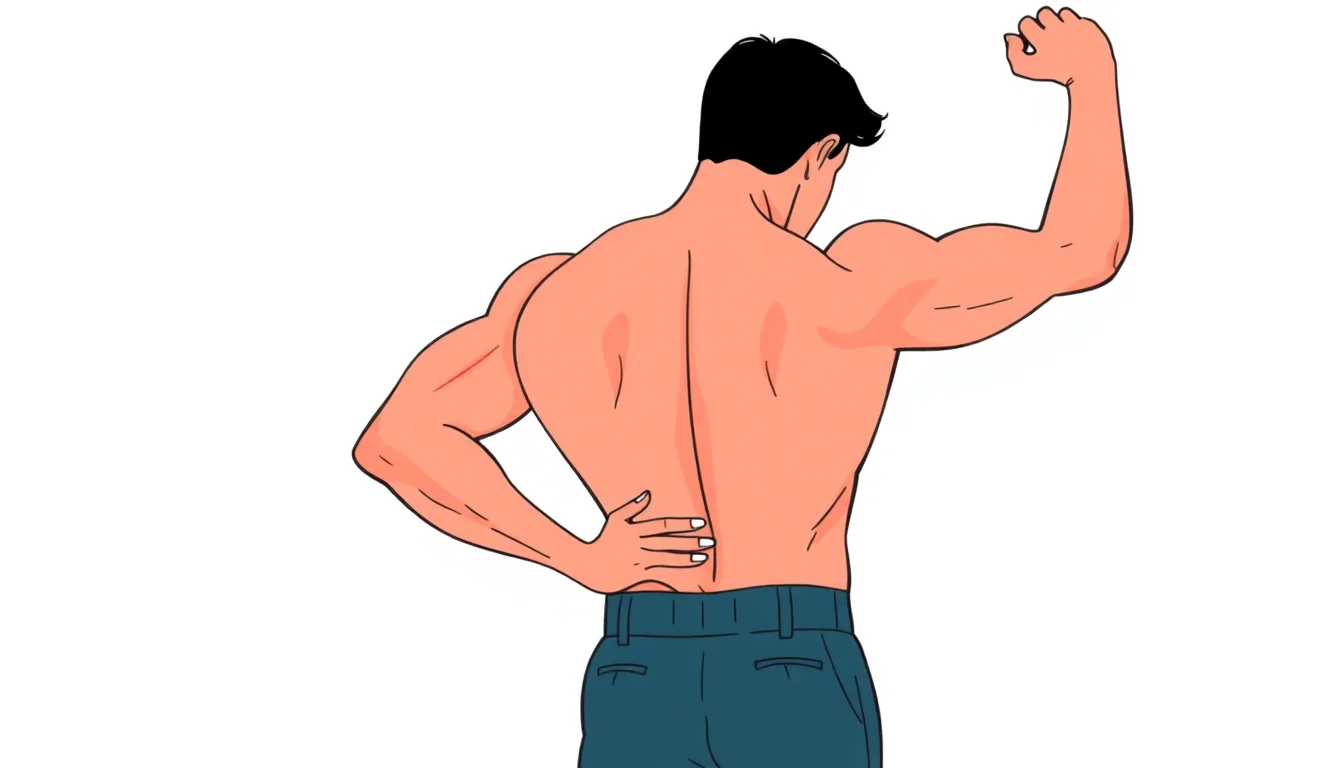
Muscle soreness, commonly known as Delayed Onset Muscle Soreness (DOMS), is the pain and stiffness felt in muscles several hours to days after unaccustomed or strenuous exercise. It's a physiological response to microscopic damage in muscle fibers, triggering an inflammatory process that leads to discomfort. While often perceived as a sign of a 'good workout,' DOMS is not necessarily indicative of muscle growth or strength gains, and its intensity can vary widely based on exercise type, intensity, and individual factors. Understanding its causes, symptoms, and management strategies is crucial for athletes and fitness enthusiasts to optimize recovery and prevent overtraining.
💪 What Exactly Is Muscle Soreness?
Muscle soreness, a sensation familiar to anyone who's pushed their physical limits, is essentially the body's response to strenuous physical activity. It's not a singular phenomenon but rather a spectrum of discomfort, broadly categorized by its onset and duration. Understanding these distinctions is crucial for athletes and fitness enthusiasts alike, as it informs recovery strategies and performance expectations. This guide breaks down the nuances of muscle soreness, from the fleeting discomfort of AMS to the more profound ache of DOMS.
⚡ Acute Muscle Soreness (AMS): The Immediate Sting
Acute Muscle Soreness (AMS) is your body's immediate feedback system, typically manifesting during or directly after a workout. This sharp, burning sensation is primarily caused by the accumulation of metabolic byproducts, like lactic acid, in the muscle tissues during intense anaerobic activity. While uncomfortable, AMS is generally short-lived, usually subsiding within a few hours post-exercise, and is not indicative of muscle damage. It's a sign that your muscles were working hard, producing energy rapidly, and it often disappears before you even leave the gym.
⏳ Delayed Onset Muscle Soreness (DOMS): The Two-Day Punch
Delayed Onset Muscle Soreness (DOMS) is the more notorious cousin, arriving 24 to 72 hours after a novel or particularly intense exercise session. This deep, aching pain, often accompanied by stiffness and reduced range of motion, is a hallmark of microscopic tears in muscle fibers. These micro-tears, while sounding alarming, are a necessary part of the muscle growth process. The inflammation and repair that follow are what lead to increased muscle strength and endurance over time. DOMS is a clear indicator of a challenging workout that has stimulated adaptation.
🤔 Why Does It Happen? The Science Behind the Ache
The underlying mechanism for muscle soreness, particularly DOMS, involves microscopic damage to muscle fibers and the subsequent inflammatory response. When muscles are subjected to eccentric contractions (lengthening under load), such as during the lowering phase of a bicep curl or running downhill, muscle fibers experience greater strain. This strain leads to tiny tears, triggering an inflammatory cascade as the body initiates a repair process. This repair is essential for muscle adaptation and strengthening, though it comes with the temporary discomfort of soreness.
📈 Factors Influencing Soreness Levels
Several factors influence the intensity and duration of muscle soreness. The novelty of an exercise, the intensity and volume of the workout, and the type of contractions (eccentric contractions are notorious for causing DOMS) all play significant roles. Individual genetics and current fitness levels also contribute; beginners or those returning after a break are typically more susceptible. Dehydration and inadequate nutrition can also exacerbate soreness.
🛠️ Managing and Alleviating Soreness
Managing muscle soreness is key to consistent training. While complete prevention is often impossible, strategies like dynamic warm-ups before exercise and static stretching post-workout can help. Active recovery, such as light cardio or foam rolling, promotes blood flow and can alleviate stiffness. Adequate hydration and a protein-rich diet are foundational for muscle repair. Some find relief through massage or contrast water therapy.
🚫 When to Seek Professional Help
While muscle soreness is a normal physiological response, there are instances where it signals a more serious issue. If you experience severe, debilitating pain that prevents basic movement, significant swelling, or discoloration of the affected limb, it's crucial to consult a medical professional. These symptoms could indicate a muscle strain, rhabdomyolysis, or another injury requiring immediate attention. Persistent or unusually intense soreness should not be ignored.
🚀 The Future of Soreness Management
The landscape of soreness management is constantly evolving, moving beyond passive remedies. Emerging research explores the role of targeted nutritional supplements like tart cherry juice and omega-3 fatty acids in reducing inflammation. Advanced recovery technologies, including electrical stimulation and percussive therapy devices, are becoming more accessible. The future likely holds more personalized approaches, leveraging biometric data to predict and mitigate soreness before it becomes a significant impediment to training.
Key Facts
- Year
- 1960
- Origin
- The concept of DOMS gained significant traction in scientific literature following studies in the mid-20th century, though the phenomenon itself has been experienced by humans throughout history with the advent of physical exertion.
- Category
- Health & Fitness
- Type
- Concept
Frequently Asked Questions
Is muscle soreness a good thing?
Muscle soreness, particularly DOMS, is often seen as a positive sign that your muscles have been challenged and are adapting. It indicates that you've stimulated the muscle fibers in a way that will lead to increased strength and endurance. However, extreme pain is not beneficial and can signal injury. The goal is to stimulate adaptation, not to cause debilitating pain.
How long does DOMS typically last?
DOMS usually peaks between 24 and 72 hours after the exercise session that caused it. For most individuals, the soreness begins to subside significantly after the third day, though some residual stiffness might linger for up to a week. The duration can vary based on the intensity of the workout and individual recovery rates.
Can I work out if I have DOMS?
Yes, but with caution. Light to moderate activity, known as active recovery, can actually help alleviate DOMS by increasing blood flow to the muscles. However, avoid intense workouts targeting the same muscle groups, as this could hinder recovery and increase the risk of injury. Listen to your body and adjust your training intensity accordingly.
What's the difference between AMS and DOMS?
AMS (Acute Muscle Soreness) occurs during or immediately after exercise and is caused by metabolic byproducts. It's a temporary burning sensation that fades quickly. DOMS (Delayed Onset Muscle Soreness) appears 24-72 hours post-exercise, is characterized by a deeper ache, and is linked to microscopic muscle tears and the subsequent inflammatory repair process.
Are there any quick fixes for muscle soreness?
Unfortunately, there are no true 'quick fixes' for DOMS, as it's part of the muscle repair process. While active recovery, proper hydration, nutrition, and rest can help manage symptoms and support healing, the soreness will resolve on its own over time. Be wary of claims promising instant relief, as they often lack scientific backing.
Does stretching prevent DOMS?
While regular stretching, especially dynamic stretching before exercise and static stretching afterward, can improve flexibility and potentially reduce the severity of soreness for some, it's not a guaranteed preventative measure for DOMS. The primary drivers of DOMS are the novel or intense stimuli placed on the muscles, particularly eccentric contractions.