
Contents
- 🎨 Origins & History
- ⚙️ How It Works
- 📊 Key Facts & Numbers
- 👥 Key People & Organizations
- 🌍 Cultural Impact & Influence
- ⚡ Current State & Latest Developments
- 🤔 Controversies & Debates
- 🔮 Future Outlook & Predictions
- 💡 Practical Applications
- 📚 Related Topics & Deeper Reading
- Frequently Asked Questions
- References
- Related Topics
Overview
The NFT market has exploded in recent years, with the total value of NFTs sold reaching $25 billion in 2021, according to a report by DappRadar. However, the market has also been criticized for its lack of regulation, with some experts warning of a potential bubble. Despite this, the market continues to grow, with new platforms and marketplaces emerging, such as OpenSea and Rarible. The NFT market has also attracted the attention of major brands, such as Nike and Adidas, which have launched their own NFT collections. As the market continues to evolve, it is likely that we will see new innovations and applications for NFTs, such as the use of Augmented Reality and Virtual Reality. With the rise of Web3 and Blockchain technology, the NFT market is poised to play a major role in the future of digital ownership and creativity. The market's growth has also been driven by the increasing popularity of Crypto Art and the rise of Digital Collectibles. However, the market's lack of regulation has also raised concerns about Money Laundering and Copyright Infringement. As the market continues to grow, it is likely that we will see new regulations and laws emerge to govern the NFT market.
🎨 Origins & History
The concept of NFTs was first introduced in 2017 by William Shihara, the CEO of Bitstamp. However, it wasn't until the launch of CryptoKitties in 2017 that the NFT market began to gain traction. CryptoKitties was a blockchain-based game that allowed players to buy, sell, and breed unique digital cats. The game's success demonstrated the potential for NFTs to be used for a wide range of applications, from digital art to collectibles. Since then, the NFT market has grown exponentially, with new platforms and marketplaces emerging, such as Superare and KnownOrigin.
⚙️ How It Works
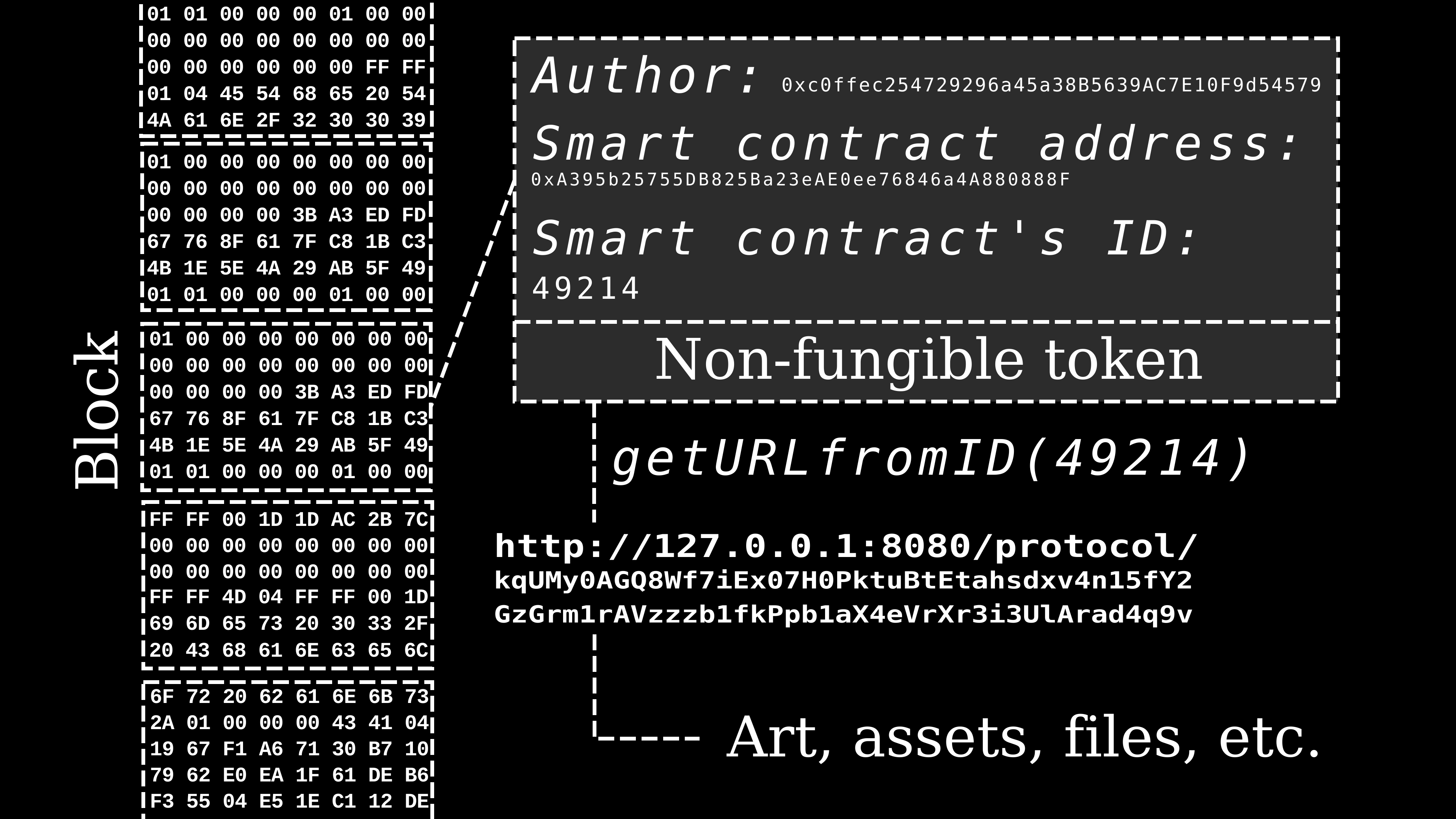
NFTs are created through a process called minting, which involves uploading a digital file to a blockchain platform, such as Ethereum or Flow. The file is then assigned a unique identifier, which is stored on the blockchain. This identifier serves as proof of ownership and can be used to transfer the NFT to another owner. NFTs can be bought, sold, and traded on online marketplaces, such as OpenSea and Rarible. The process of buying and selling NFTs is similar to buying and selling other digital assets, such as Cryptocurrencies. However, the unique nature of NFTs means that they can be used for a wide range of applications, from digital art to collectibles.
📊 Key Facts & Numbers
The NFT market has grown significantly in recent years, with the total value of NFTs sold reaching $25 billion in 2021, according to a report by DappRadar. The market has also seen a significant increase in the number of NFTs being created, with over 1 million NFTs being minted in 2021 alone. The market has also attracted the attention of major brands, such as Nike and Adidas, which have launched their own NFT collections. The market's growth has also been driven by the increasing popularity of Crypto Art and the rise of Digital Collectibles. However, the market's lack of regulation has also raised concerns about Money Laundering and Copyright Infringement.
👥 Key People & Organizations
The NFT market has been driven by a number of key people and organizations, including William Shihara, the CEO of Bitstamp, and Alex Saunders, the CEO of Nugget News. The market has also been driven by the emergence of new platforms and marketplaces, such as OpenSea and Rarible. These platforms have made it easier for artists and creators to mint and sell NFTs, and have helped to drive the growth of the market. The market has also been driven by the increasing popularity of Crypto Art and the rise of Digital Collectibles.
🌍 Cultural Impact & Influence
The NFT market has had a significant cultural impact, with many artists and creators using NFTs to create new and innovative forms of digital art. The market has also been driven by the emergence of new platforms and marketplaces, such as Superare and KnownOrigin. These platforms have made it easier for artists and creators to mint and sell NFTs, and have helped to drive the growth of the market. The market has also been driven by the increasing popularity of Crypto Art and the rise of Digital Collectibles. However, the market's lack of regulation has also raised concerns about Money Laundering and Copyright Infringement.
⚡ Current State & Latest Developments
The current state of the NFT market is one of rapid growth and development. New platforms and marketplaces are emerging, and the market is attracting the attention of major brands and investors. However, the market's lack of regulation has also raised concerns about Money Laundering and Copyright Infringement. As the market continues to grow, it is likely that we will see new regulations and laws emerge to govern the NFT market. The market's growth has also been driven by the increasing popularity of Crypto Art and the rise of Digital Collectibles.
🤔 Controversies & Debates
The NFT market has been the subject of a number of controversies and debates, including concerns about Money Laundering and Copyright Infringement. The market has also been criticized for its lack of regulation, with some experts warning of a potential bubble. Despite this, the market continues to grow, with new platforms and marketplaces emerging, such as OpenSea and Rarible. The market's growth has also been driven by the increasing popularity of Crypto Art and the rise of Digital Collectibles.
🔮 Future Outlook & Predictions
The future of the NFT market is uncertain, but it is likely that we will see new innovations and applications for NFTs, such as the use of Augmented Reality and Virtual Reality. The market's growth has also been driven by the increasing popularity of Crypto Art and the rise of Digital Collectibles. As the market continues to grow, it is likely that we will see new regulations and laws emerge to govern the NFT market. The market's growth has also been driven by the emergence of new platforms and marketplaces, such as Superare and KnownOrigin.
💡 Practical Applications
The NFT market has a number of practical applications, including the use of NFTs for digital art, collectibles, and other unique assets. The market has also been driven by the emergence of new platforms and marketplaces, such as OpenSea and Rarible. These platforms have made it easier for artists and creators to mint and sell NFTs, and have helped to drive the growth of the market. The market's growth has also been driven by the increasing popularity of Crypto Art and the rise of Digital Collectibles.
Key Facts
- Year
- 2021
- Origin
- Global
- Category
- technology
- Type
- market
Frequently Asked Questions
What is an NFT?
An NFT is a unique digital asset that is stored on a blockchain and can be bought, sold, and traded. NFTs can be used to represent a wide range of digital assets, including art, collectibles, and other unique items. The use of Blockchain technology allows for the creation of a secure and transparent record of ownership, which is a key feature of NFTs. For example, the OpenSea marketplace uses Ethereum blockchain to enable the buying and selling of NFTs.
How do I buy an NFT?
To buy an NFT, you will need to create an account on a marketplace that supports NFTs, such as OpenSea or Rarible. You will then need to browse the available NFTs and select the one you want to purchase. The process of buying an NFT is similar to buying other digital assets, such as Cryptocurrencies. However, the unique nature of NFTs means that they can be used for a wide range of applications, from digital art to collectibles. For example, the Superare platform allows artists to create and sell NFTs, which can be used to represent unique digital art pieces.
What is the future of the NFT market?
The future of the NFT market is uncertain, but it is likely that we will see new innovations and applications for NFTs, such as the use of Augmented Reality and Virtual Reality. The market's growth has also been driven by the increasing popularity of Crypto Art and the rise of Digital Collectibles. As the market continues to grow, it is likely that we will see new regulations and laws emerge to govern the NFT market. For example, the NFT Association is working to establish standards and best practices for the NFT market.
What are the benefits of NFTs?
The benefits of NFTs include the ability to create unique digital assets, the ability to buy, sell, and trade NFTs, and the ability to use NFTs to represent a wide range of digital assets. NFTs also have the potential to create new business models and revenue streams for artists and creators. For example, the KnownOrigin platform allows artists to create and sell NFTs, which can be used to represent unique digital art pieces. The use of Blockchain technology also allows for the creation of a secure and transparent record of ownership, which is a key feature of NFTs.
What are the risks of NFTs?
The risks of NFTs include the potential for Money Laundering and Copyright Infringement. The market's lack of regulation has also raised concerns about the potential for a bubble. Despite this, the market continues to grow, with new platforms and marketplaces emerging, such as OpenSea and Rarible. The market's growth has also been driven by the increasing popularity of Crypto Art and the rise of Digital Collectibles.
How do I create an NFT?
To create an NFT, you will need to use a platform that supports NFT creation, such as OpenSea or Rarible. You will then need to upload your digital file and create a unique identifier for your NFT. The process of creating an NFT is similar to creating other digital assets, such as Cryptocurrencies. However, the unique nature of NFTs means that they can be used for a wide range of applications, from digital art to collectibles. For example, the Superare platform allows artists to create and sell NFTs, which can be used to represent unique digital art pieces.
What is the current state of the NFT market?
The current state of the NFT market is one of rapid growth and development. New platforms and marketplaces are emerging, and the market is attracting the attention of major brands and investors. However, the market's lack of regulation has also raised concerns about Money Laundering and Copyright Infringement. As the market continues to grow, it is likely that we will see new regulations and laws emerge to govern the NFT market. The market's growth has also been driven by the increasing popularity of Crypto Art and the rise of Digital Collectibles.