
Contents
Overview
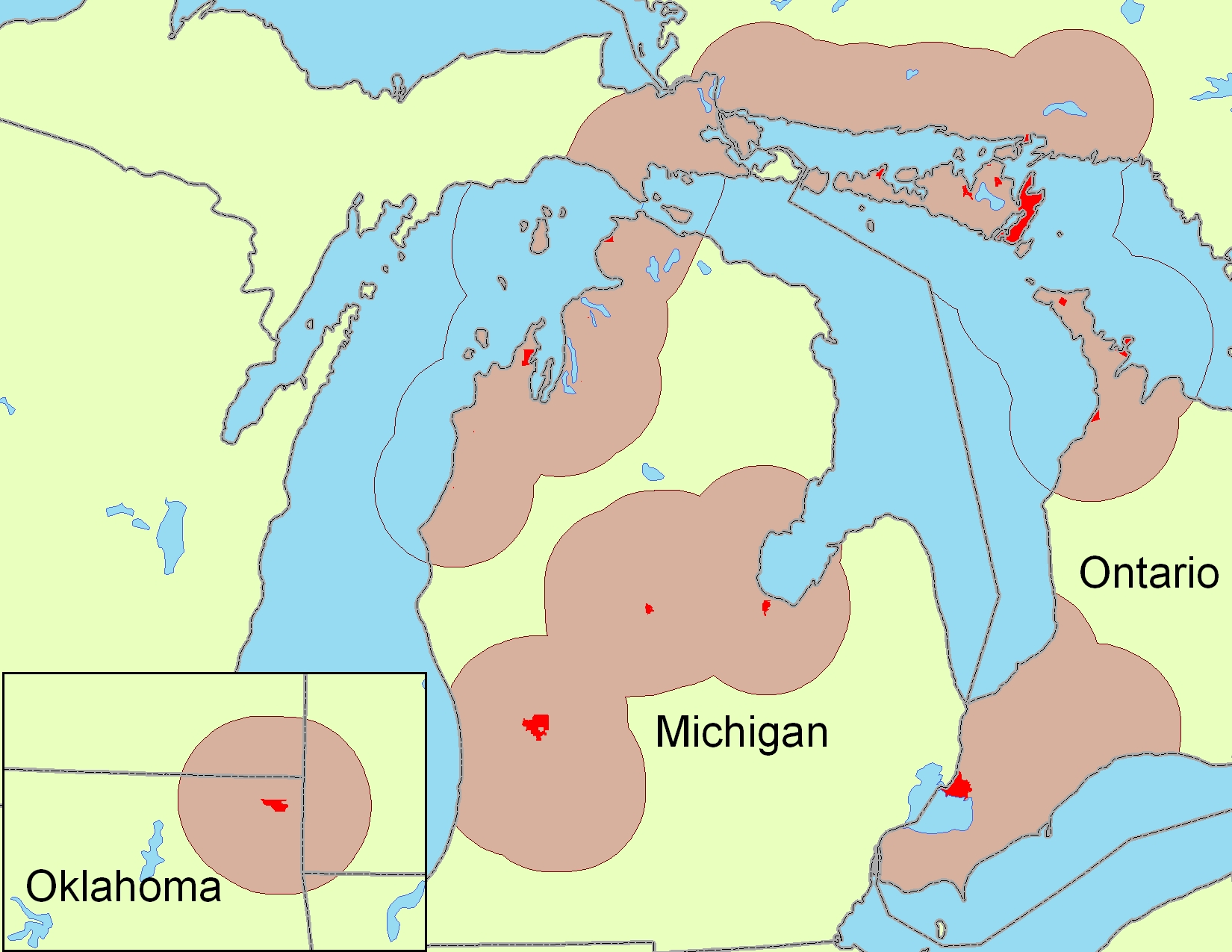
The Odawa people trace their origins to ancient migrations from the East Coast, eventually settling in the Great Lakes region. Their traditional homeland, considered sacred, is centered on Manitoulin Island and the Bruce Peninsula in present-day Ontario, Canada. Historical settlements extended along the Ottawa River and into territories that would later become the U.S. states of Michigan and Wisconsin. As one of the Anishinaabeg peoples, they share deep historical and linguistic ties with the Ojibwe and Potawatomi, forming a complex network of alliances and shared traditions that predated European colonization. This ancestral territory, a vast expanse of forests, lakes, and rivers, provided rich resources and shaped their distinct cultural identity over centuries.
⚙️ How It Works
The Odawa language, a member of the Algonquian language family, is characterized by its Central Algonquian features, sharing significant lexical and grammatical similarities with Ojibwe and Potawatomi. While distinct, the languages are often mutually intelligible to varying degrees, reflecting the close historical relationship between these Anishinaabeg groups. The traditional Odawa governance structure involved a council of elders and chiefs who made decisions based on consensus, with a strong emphasis on community well-being and spiritual connection to the land. Their societal organization was often clan-based, with roles and responsibilities passed down through generations, ensuring the continuity of cultural practices and knowledge transmission.
📊 Key Facts & Numbers
The Little Traverse Bay Bands of Odawa Indians are in Michigan, the Little River Band of Odawa Indians also in Michigan, and the Odawa Indians of Michigan are federally recognized tribes. In Canada, numerous First Nations bands, such as the Anishinaabek First Nation and the Wiikwemkoong First Nation, identify as Odawa or have significant Odawa heritage. The Odawa language, while still spoken, faces endangerment, with revitalization efforts underway to preserve it for future generations. Historically, their trade networks were extensive.
👥 Key People & Organizations
Key figures in Odawa history include Chief Pontiac (Obwandiyag), a prominent Odawa leader who organized a widespread uprising against British rule in 1763, known as Pontiac's War. His leadership galvanized numerous Indigenous nations against colonial encroachment. Other significant figures are often community elders and spiritual leaders who have dedicated their lives to preserving Odawa traditions, language, and sovereignty. Organizations like the Anishinaabek Nation in Canada and tribal councils in the United States play crucial roles in advocating for Odawa rights, managing resources, and promoting cultural initiatives. Educational institutions, such as Lakehead University, have also contributed to the documentation and revitalization of Odawa language and culture through research and community partnerships.
🌍 Cultural Impact & Influence
The Odawa have profoundly influenced the cultural landscape of the Great Lakes region. Their historical role as traders, particularly in furs, shaped early economic interactions between Indigenous peoples and European colonists. The name 'Ottawa' itself has become synonymous with the Ottawa River and the capital city of Canada, Ottawa. Odawa art, music, and storytelling traditions continue to be vibrant expressions of their identity, often featuring intricate beadwork, quillwork, and narratives that reflect their deep connection to the natural world. Their resilience in maintaining cultural practices despite historical pressures serves as an inspiration for Indigenous peoples globally.
⚡ Current State & Latest Developments
Odawa communities are actively engaged in self-governance, economic development, and cultural revitalization. Tribal governments in the U.S. and First Nations in Canada are focused on issues such as land rights, environmental protection, and educational advancement. Language immersion programs and cultural centers are vital in combating the endangerment of the Odawa language, with initiatives like the Anishinaabemowin Language Program aiming to ensure its survival. Recent developments include ongoing negotiations with state and federal governments regarding treaty rights and resource management, as well as the expansion of community-based enterprises, such as casinos and tourism ventures, aimed at fostering economic self-sufficiency.
🤔 Controversies & Debates
A significant controversy surrounding the Odawa people involves historical treaty interpretations and land claims. Debates persist regarding the extent to which these treaties were understood and fairly negotiated, with ongoing legal challenges seeking to uphold ancestral rights. Another area of contention is the preservation of cultural artifacts and sacred sites, often caught between development interests and Indigenous heritage protection. The ongoing struggle for linguistic preservation also highlights the challenges of maintaining a distinct cultural identity in a dominant globalized society, with debates on the most effective methods for language transmission.
🔮 Future Outlook & Predictions
The future for the Odawa people appears to be one of continued self-determination and cultural resurgence. Projections indicate a growing emphasis on intergenerational knowledge transfer, with younger Odawa individuals increasingly involved in leadership roles and cultural preservation efforts. Advancements in digital technology are expected to play a significant role in language revitalization and the dissemination of Odawa culture globally. Economically, there is a focus on sustainable development that aligns with traditional values, potentially leading to new ventures in renewable energy and eco-tourism. The ongoing assertion of sovereignty and treaty rights will likely continue to shape their relationship with federal and provincial governments, aiming for greater autonomy and recognition.
💡 Practical Applications
The Odawa language itself is a primary area of practical application for revitalization efforts, with immersion schools and digital resources being developed. Traditional ecological knowledge, passed down through generations, informs contemporary practices in resource management and conservation, particularly concerning fisheries and forestry in the Great Lakes region. Odawa art forms, such as beadwork and wood carving, continue to be practiced and taught, providing both cultural expression and economic opportunities. Furthermore, Odawa governance models and experiences in self-determination offer valuable insights for other Indigenous communities navigating similar challenges in asserting their rights and managing their affairs.
Key Facts
- Category
- culture
- Type
- topic