
Contents
- 🎵 Origins & History
- ⚙️ How It Works
- 📊 Key Facts & Numbers
- 👥 Key People & Organizations
- 🌍 Cultural Impact & Influence
- ⚡ Current State & Latest Developments
- 🤔 Controversies & Debates
- 🔮 Future Outlook & Predictions
- 💡 Practical Applications
- 📚 Related Topics & Deeper Reading
- Frequently Asked Questions
- References
- Related Topics
Overview
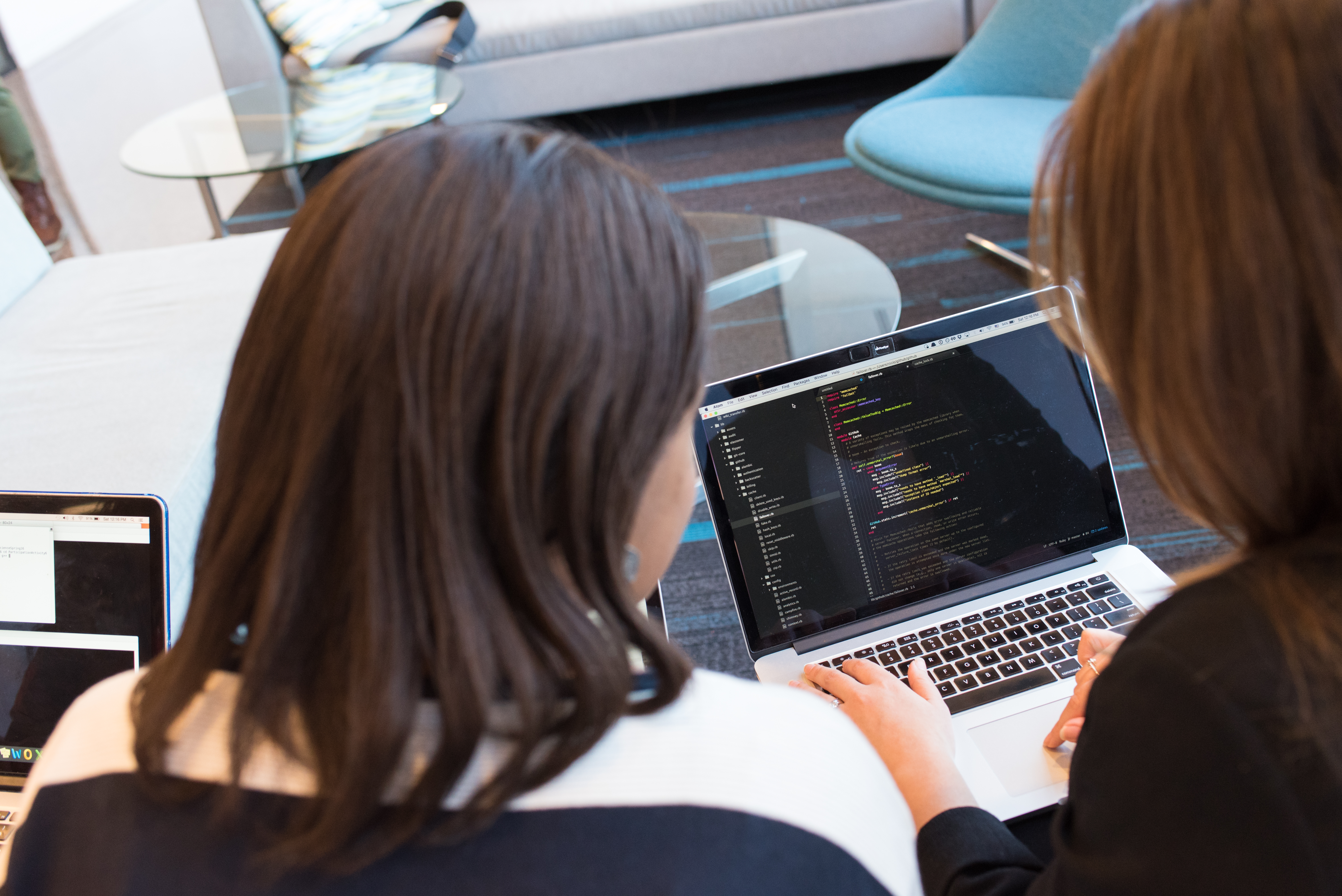
Pair programming is a collaborative software development technique where two programmers work together at a single workstation, enhancing code quality and team dynamics. This approach, rooted in Agile methodologies, involves one programmer, known as the driver, who writes the code, while the other, the observer or navigator, reviews and strategizes. The technique promotes knowledge sharing, reduces errors, and fosters innovation, making it a staple in modern development environments. With the rise of remote work, tools like GitHub and Visual Studio Code have adapted to support pair programming, ensuring its relevance in today's tech landscape. As organizations seek to improve productivity and team cohesion, understanding and implementing effective pair programming techniques has become increasingly vital.
🎵 Origins & History
Companies like ThoughtWorks and Pivotal have been instrumental in promoting and refining pair programming techniques, showcasing their effectiveness in real-world projects.
⚙️ How It Works
In pair programming, the driver writes the code while the navigator reviews the code in real-time, considering broader strategic implications. This dynamic allows for continuous feedback and knowledge sharing. Tools like JetBrains's IntelliJ IDEA and Microsoft Teams facilitate this collaboration, enabling both in-person and remote pair programming. The technique not only improves code quality but also enhances team communication and problem-solving skills, making it a powerful tool in modern software development.
📊 Key Facts & Numbers
Pair programming is used to onboard new developers in tech companies, allowing them to learn from experienced colleagues while contributing to projects. Educational institutions have also adopted pair programming as a teaching method, promoting collaboration among students in coding boot camps and computer science courses. Additionally, organizations like Code.org and Girls Who Code utilize pair programming techniques to enhance learning outcomes and foster a sense of community among learners.
👥 Key People & Organizations
Key figures in the promotion of pair programming include Kent Beck, who pioneered the concept within the Extreme Programming framework, and Martin Fowler, a prominent advocate for Agile practices. Organizations such as Agile Alliance and Scrum Alliance have also played significant roles in disseminating knowledge about pair programming techniques. Additionally, companies like Atlassian have developed tools that support pair programming, enhancing its integration into software development workflows.
🌍 Cultural Impact & Influence
The cultural impact of pair programming extends beyond coding practices; it fosters a collaborative mindset within teams. By breaking down silos and encouraging open communication, pair programming has influenced workplace dynamics in tech companies. For instance, Spotify has integrated pair programming into its engineering culture, promoting teamwork and shared ownership of code. This collaborative approach has resonated with the values of the tech community, emphasizing the importance of collective problem-solving and continuous learning.
⚡ Current State & Latest Developments
Despite its benefits, pair programming is not without controversy. Critics argue that it can lead to burnout, as constant collaboration may be mentally taxing for some developers. Others question its effectiveness in larger teams, where the dynamics may become more complex. Proponents counter that the benefits of knowledge sharing and improved code quality outweigh the challenges. The debate continues, with some advocating for hybrid models that incorporate both pair programming and solo work to balance collaboration and individual productivity.
🤔 Controversies & Debates
Pair programming finds practical applications across various industries, particularly in software development, education, and training. In tech companies, it is used to onboard new developers, allowing them to learn from experienced colleagues while contributing to projects. Educational institutions have also adopted pair programming as a teaching method, promoting collaboration among students in coding boot camps and computer science courses. Additionally, organizations like Code.org and Girls Who Code utilize pair programming techniques to enhance learning outcomes and foster a sense of community among learners.
🔮 Future Outlook & Predictions
Pair programming is closely related to concepts such as Agile Development, Extreme Programming, and Test-Driven Development. These methodologies emphasize collaboration, iterative progress, and continuous feedback, aligning with the principles of pair programming. Further reading on these topics can provide deeper insights into the broader context of collaborative software development practices.
Key Facts
- Year
- 2024
- Origin
- Global
- Category
- technology
- Type
- concept
Frequently Asked Questions
What is pair programming?
Pair programming is a software development technique where two programmers work together at one workstation, with one writing code (the driver) and the other reviewing it (the navigator). This method enhances code quality and fosters collaboration, as seen in Agile practices like Extreme Programming.
How does pair programming improve productivity?
Studies show that teams practicing pair programming report a 15% increase in productivity and a 25% reduction in defects. This is largely due to real-time feedback and knowledge sharing, which help catch errors early and facilitate learning among team members.
What are the challenges of pair programming?
Challenges include potential burnout from constant collaboration and difficulties in larger teams. Critics argue that not all developers thrive in a pair programming environment, leading to calls for hybrid models that balance collaboration with individual work.