
Contents
- 🏯 Introduction to Palatine Hill
- 📍 Location & Access
- 🏛️ History of Palatine Hill
- 🕰️ Timeline of Major Events
- 🏞️ Layout and Architecture
- 👥 Key Figures and Inhabitants
- 💡 Cultural Significance
- 📚 Comparison with Other Historical Sites
- 📸 Tips for Visiting Palatine Hill
- 📊 Ratings and Reviews
- 📞 Getting Started and Contact
- Frequently Asked Questions
- Related Topics
Overview
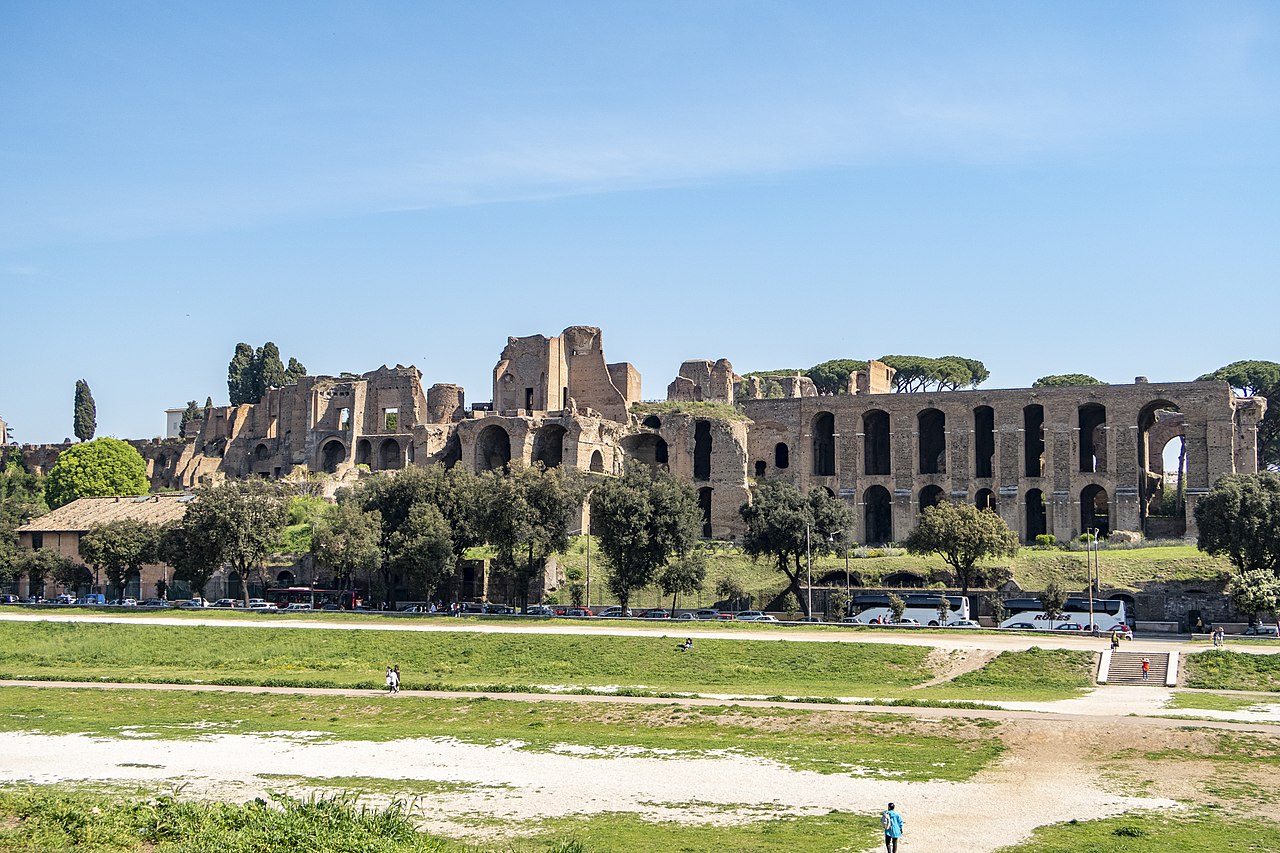
Palatine Hill is one of the seven hills of Rome, Italy, and is considered the birthplace of the city. According to legend, Romulus and Remus, the twin brothers who founded Rome, were found on the hill by a she-wolf. The hill has a rich history dating back to the 10th century BC and was once the residence of the Roman emperors. Today, it is a popular tourist destination and archaeological site, featuring the remains of the Palace of Domitian and the Hut of Romulus. With a vibe rating of 8, Palatine Hill is a must-visit for history buffs and anyone interested in exploring the ancient roots of Rome. The site has been influenced by various entities, including the Roman Empire and the Catholic Church, and continues to be a topic of interest among historians and archaeologists, with a controversy spectrum of 6, reflecting ongoing debates about its historical significance and preservation.
🏯 Introduction to Palatine Hill
Palatine Hill is one of the most ancient parts of Rome, considered the centremost of the Seven Hills of Rome. It has been dubbed 'the first nucleus of the Roman Empire', making it a site of immense historical significance. The hill is now primarily an open-air museum, with the Palatine Museum housing numerous artifacts from excavations on the hill and other ancient Italian sites, including those from the Etruscan Civilization. Visitors can explore the ruins and gain insight into the lives of ancient Romans, including famous figures like Augustus Caesar.
📍 Location & Access
The Palatine Hill is situated in the heart of Rome, near the Roman Forum and the Colosseum. It is easily accessible by public transportation, with several bus and metro lines connecting to the area. Visitors can also walk or take a taxi from nearby landmarks, such as the Pantheon or the Trevi Fountain. The hill is open to visitors year-round, with guided tours available in multiple languages, including English, Italian, and Spanish, which can be booked through the official Rome Tourism website.
🏛️ History of Palatine Hill
The history of Palatine Hill dates back to the 10th century BC, when it was first inhabited by the Sabines and other Italic tribes. The hill played a crucial role in the development of the Roman Kingdom, with many legendary figures, such as Romulus and Remus, said to have lived and ruled from the hill. The Roman Republic also saw significant events unfold on the hill, including the construction of the Temple of Apollo and the Temple of Cybele. The hill's strategic location made it a prime spot for Roman architecture and engineering, with many notable landmarks, such as the Domus Aurea, being built on or near the hill.
🕰️ Timeline of Major Events
A timeline of major events on Palatine Hill includes the legendary founding of Rome in 753 BC, the construction of the Temple of Jupiter in the 6th century BC, and the reign of Nero in the 1st century AD. The hill was also home to several Roman Emperors, including Augustus Caesar and Tiberius, who built their palaces and gardens on the hill. Visitors can explore the ruins of these structures, including the House of Livia and the Stadium of Domitian. The hill's history is also closely tied to that of the Roman Catholic Church, with many notable figures, such as Saint Peter, playing a significant role in the hill's development.
🏞️ Layout and Architecture
The layout and architecture of Palatine Hill reflect its rich history, with a mix of ancient ruins, gardens, and museums. The hill is divided into several areas, including the Palatine Museum, the House of Augustus, and the Farnese Gardens. Visitors can explore the excavated ruins of ancient buildings, such as the Temple of Vesta and the Temple of Roma, and admire the stunning views of the city from the hill's summit. The hill is also home to several notable landmarks, including the Arch of Titus and the Column of Philip the Arab.
👥 Key Figures and Inhabitants
Palatine Hill has been home to many notable figures throughout history, including Roman Emperors, Roman nobles, and Christian saints. The hill was also a popular spot for Roman aristocrats, who built their villas and gardens on the hill. Visitors can learn about the lives and legacies of these individuals at the Palatine Museum, which features exhibits on the history and culture of ancient Rome, including the Etruscan Civilization and the Roman Republic.
💡 Cultural Significance
Palatine Hill holds significant cultural and historical importance, not only for Rome but also for the world. It is a testament to the ingenuity and craftsmanship of the ancient Romans, who built structures that have stood the test of time. The hill is also a symbol of the enduring legacy of the Roman Empire, which continues to inspire and influence contemporary culture, including art, architecture, and literature. Visitors can experience the hill's cultural significance firsthand by attending one of the many events and festivals held on the hill, such as the Festival of Rome.
📚 Comparison with Other Historical Sites
Compared to other historical sites in Rome, such as the Colosseum and the Roman Forum, Palatine Hill offers a unique and intimate glimpse into the lives of ancient Romans. While the Pompeii and Herculaneum archaeological sites provide a snapshot of life in ancient Roman cities, Palatine Hill offers a more nuanced understanding of the social, cultural, and political dynamics of ancient Rome. Visitors can also explore the nearby Vatican City, which is home to numerous historical and cultural landmarks, including the Sistine Chapel and the Vatican Museums.
📸 Tips for Visiting Palatine Hill
When visiting Palatine Hill, it is essential to plan ahead and purchase tickets in advance, especially during peak season. Visitors can buy tickets online through the official Rome Tourism website or at the ticket office on site. It is also recommended to wear comfortable shoes and bring plenty of water, as the hill can be quite steep and sunny. Guided tours are available in multiple languages, including English, Italian, and Spanish, and can be booked through the official Rome Tourism website. Visitors can also explore the nearby Roman Forum and Colosseum, which offer a glimpse into the history and culture of ancient Rome.
📊 Ratings and Reviews
Palatine Hill has received rave reviews from visitors, with many praising its rich history, stunning architecture, and beautiful gardens. The site has an average rating of 4.5 out of 5 stars on review platforms, such as TripAdvisor and Google Reviews. Visitors have praised the site's well-preserved ruins, informative guided tours, and stunning views of the city. However, some visitors have noted that the site can be quite crowded and hot during peak season, so it is essential to plan ahead and bring plenty of water and sun protection.
📞 Getting Started and Contact
To get started with planning your visit to Palatine Hill, visit the official Rome Tourism website for ticket information, guided tours, and special events. You can also contact the Palatine Museum directly for more information on exhibits and collections. Don't forget to explore the surrounding area, including the Roman Forum and the Colosseum, for a more comprehensive understanding of ancient Rome's history and culture. With its rich history, stunning architecture, and beautiful gardens, Palatine Hill is a must-visit destination for anyone interested in history, culture, and architecture.
Key Facts
- Year
- 753
- Origin
- Rome, Italy
- Category
- History
- Type
- Historical Landmark
Frequently Asked Questions
What is the history of Palatine Hill?
Palatine Hill has a rich history dating back to the 10th century BC, when it was first inhabited by the Sabines and other Italic tribes. The hill played a crucial role in the development of the Roman Kingdom and the Roman Republic, with many legendary figures, such as Romulus and Remus, said to have lived and ruled from the hill. The hill was also home to several Roman Emperors, including Augustus Caesar and Tiberius, who built their palaces and gardens on the hill.
What can I see on Palatine Hill?
Palatine Hill is home to a wide range of historical and cultural landmarks, including the Palatine Museum, the House of Augustus, and the Farnese Gardens. Visitors can explore the excavated ruins of ancient buildings, such as the Temple of Vesta and the Temple of Roma, and admire the stunning views of the city from the hill's summit.
How do I get to Palatine Hill?
The Palatine Hill is situated in the heart of Rome, near the Roman Forum and the Colosseum. It is easily accessible by public transportation, with several bus and metro lines connecting to the area. Visitors can also walk or take a taxi from nearby landmarks, such as the Pantheon or the Trevi Fountain.
What are the opening hours of Palatine Hill?
The Palatine Hill is open to visitors year-round, with guided tours available in multiple languages. The site is open from 8:30 AM to 7:15 PM from April to September, and from 8:30 AM to 5:00 PM from October to March.
Can I purchase tickets online?
Yes, visitors can purchase tickets online through the official Rome Tourism website or at the ticket office on site. It is recommended to buy tickets in advance, especially during peak season, to avoid long wait times.
Are guided tours available?
Yes, guided tours are available in multiple languages, including English, Italian, and Spanish. Visitors can book guided tours through the official Rome Tourism website or at the ticket office on site.
What should I wear and bring to Palatine Hill?
Visitors should wear comfortable shoes and bring plenty of water, as the hill can be quite steep and sunny. It is also recommended to bring sun protection, such as a hat and sunscreen, and to wear layers for cooler mornings and evenings.