
Contents
Overview
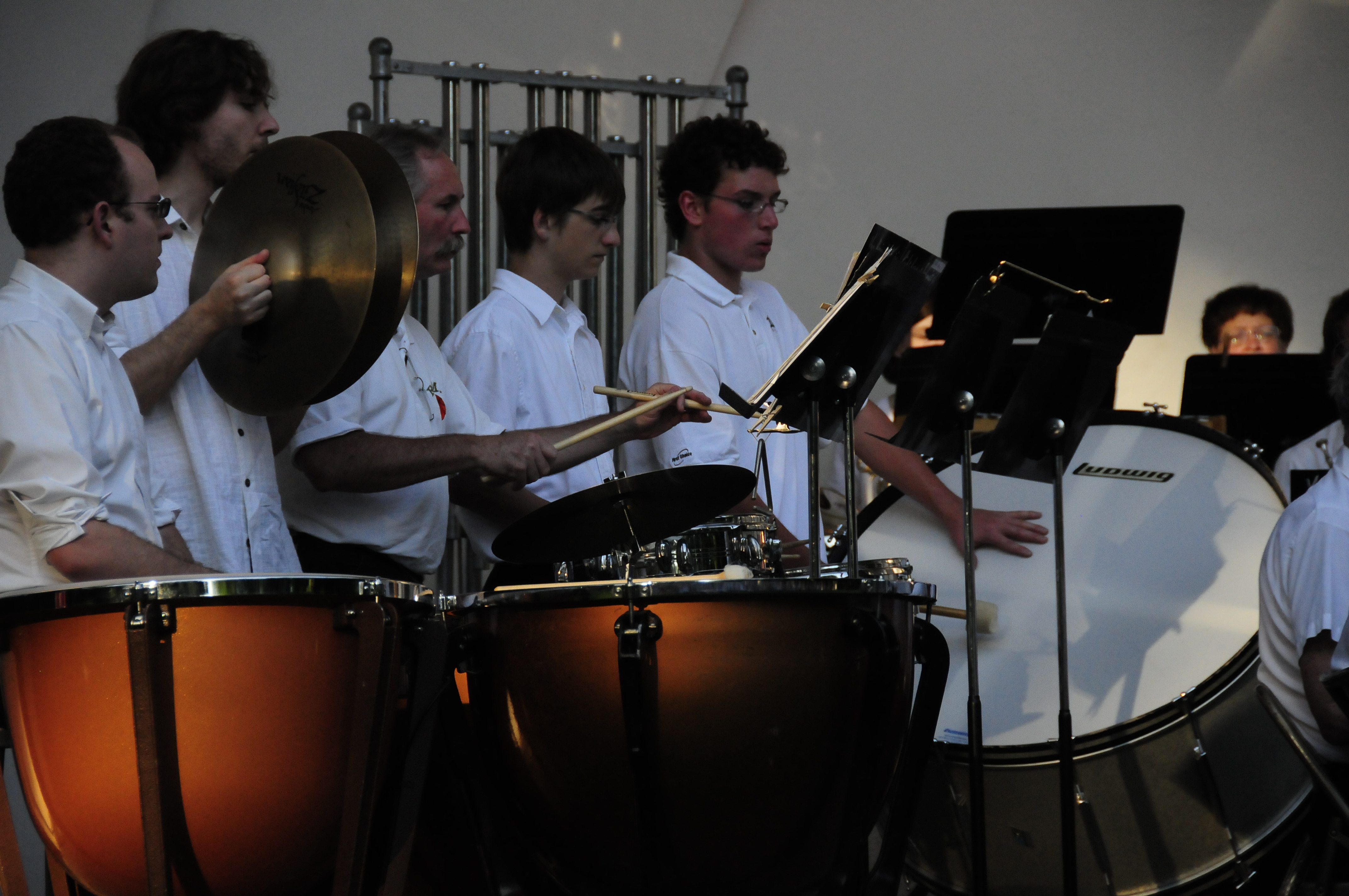
Percussion instruments are a family of musical instruments that produce sound when struck, scraped, or shaken, encompassing a vast array of sounds and styles from around the world. With a history dating back to ancient civilizations, percussion instruments have evolved to include a diverse range of instruments, from the simple drum to the complex timpani. The percussion section of an orchestra typically features instruments like the snare drum, bass drum, and cymbals, while other genres, such as jazz and rock, often incorporate percussion elements. As a fundamental element of music-making, percussion has been shaped by various cultural and historical contexts. Today, percussion continues to play a vital role in music, with its dynamic rhythms and expressive qualities inspiring new generations of musicians and music lovers alike. With a rich history, diverse instrumentation, and universal appeal, percussion remains an essential part of the musical landscape. The significance of percussion can be seen in its ability to evoke emotions, create atmosphere, and bring people together. From ceremonial drums to modern electronic drum kits, percussion has come a long way, and its impact on music and society is undeniable. As a testament to its importance, percussion has been recognized and celebrated through various festivals, competitions, and educational programs, ensuring its continued relevance and popularity in the modern era.
🎵 Origins & History
The earliest known percussion instruments were likely made from natural materials like wood, stone, and animal hides, and were used in ceremonial and ritual contexts. Percussion instruments can be found in almost every culture around the world, with each region having its own unique traditions and styles.
⚙️ How It Works
Percussion instruments work by producing sound when struck, scraped, or shaken. The sound is created by the vibration of the instrument's material, which is amplified by the instrument's shape and size. Different types of percussion instruments produce distinct sounds, from the deep resonance of the timpani to the bright, crisp sound of the snare drum. The percussion section of an orchestra typically features instruments like the timpani, snare drum, and cymbals.
📊 Key Facts & Numbers
The Berklee College of Music has a renowned percussion department that offers degrees in percussion performance and music education. Percussion has been used in a wide range of musical genres, from classical to rock to jazz.
👥 Key People & Organizations
Percussion has had a significant impact on culture and society, with its rhythmic beats and expressive qualities inspiring new generations of musicians and music lovers alike. The Afro-Cuban tradition is known for its complex polyrhythms and percussive elements. The Brazilian Carnival is famous for its vibrant percussion-driven music and dance.
🌍 Cultural Impact & Influence
Today, percussion continues to play a vital role in music, with its dynamic rhythms and expressive qualities inspiring new generations of musicians and music lovers alike. The rise of electronic percussion instruments, such as the electronic drum, has expanded the possibilities of percussion.
⚡ Current State & Latest Developments
Despite its importance, percussion has also been the subject of controversy and debate, with some critics arguing that its use in music is overly simplistic or lacking in nuance. However, percussionists and music educators argue that percussion is a complex and expressive art form that requires great skill and technique to master.
🤔 Controversies & Debates
As music continues to evolve, it is likely that percussion will play an increasingly important role, with its dynamic rhythms and expressive qualities inspiring new generations of musicians and music lovers alike. The rise of electronic percussion instruments and music technology will also continue to shape the sound and style of percussion.
🔮 Future Outlook & Predictions
Percussion has a wide range of practical applications, from music performance and education to sound design. Percussion instruments can be used in a variety of settings, including concert halls, recording studios, and music classrooms, and can be played by musicians of all levels, from beginners to professionals.
💡 Practical Applications
Percussion is related to a wide range of topics, including music, rhythm, and sound design. For further reading, see music theory, rhythm, and sound design. The history of music is also closely tied to the development of percussion instruments and techniques. The physics of sound is another relevant topic, as it explains the scientific principles behind the production and perception of sound. The culture of music is also an important aspect of percussion, as it highlights the social and cultural contexts in which music is created and performed.
Key Facts
- Category
- culture
- Type
- concept