
Contents
Overview
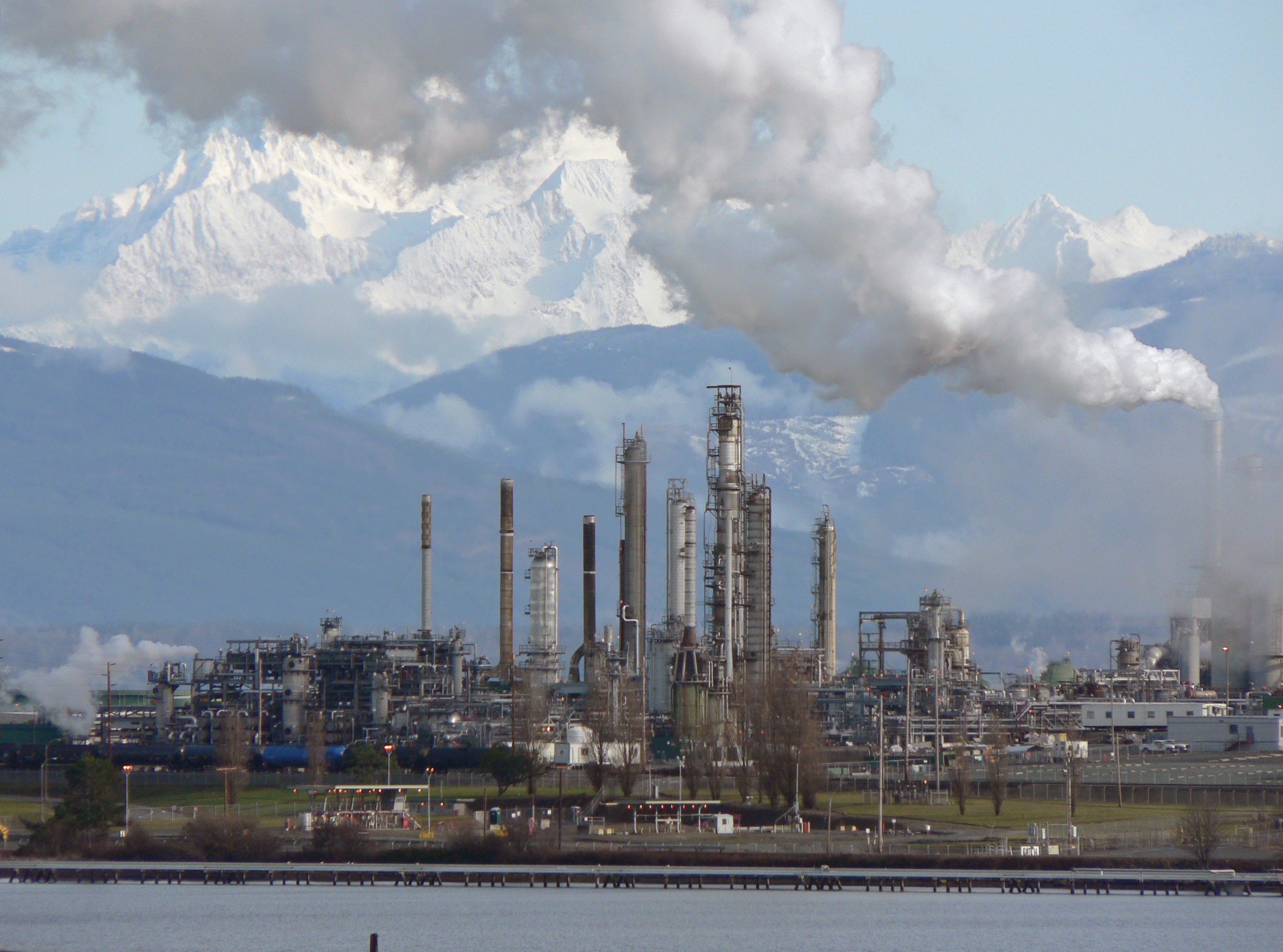
Petroleum refining is the complex industrial process by which crude oil is converted into a wide array of usable products. This transformation occurs in large, intricate facilities known as refineries, which employ a series of physical and chemical separation and conversion techniques. The primary outputs include fuels like gasoline, diesel, and jet fuel, alongside essential feedstocks for the petrochemical industry, such as naphtha, ethylene, and propylene. The process is not merely about distillation; it involves sophisticated cracking, reforming, and treating operations to meet stringent product specifications and environmental regulations. The future of refining is increasingly shaped by the energy transition, demanding greater efficiency, lower emissions, and adaptation to evolving fuel demands and alternative feedstocks.
🎵 Origins & History
The genesis of petroleum refining can be traced back to the mid-19th century, driven by the burgeoning demand for kerosene for lighting, a cleaner alternative to whale oil. Early efforts involved rudimentary distillation of crude oil, often in small batches. This innovation quickly spread, with significant developments occurring in the United States, particularly in Pennsylvania. The early 20th century saw the rise of large-scale industrial complexes and the advent of thermal cracking, pioneered by figures like William Burton of Standard Oil in 1913, which dramatically increased the yield of gasoline. The post-World War II era brought catalytic cracking and further advancements, solidifying refining as a cornerstone of industrial civilization and the petrochemical industry.
⚙️ How It Works
At its core, petroleum refining begins with the distillation of crude oil in large atmospheric distillation units. Crude oil is heated and vaporized, then allowed to condense at different temperatures in a tall column, separating it into fractions based on boiling points: gases, naphtha, kerosene, diesel, and heavier residues. These fractions are then subjected to further processing. Thermal cracking breaks down large hydrocarbon molecules into smaller, more valuable ones, like gasoline. Catalytic cracking uses catalysts to achieve this at lower temperatures and higher yields. Reforming processes rearrange hydrocarbon molecules to increase the octane rating of gasoline. Hydrotreating removes sulfur and other impurities to meet environmental standards and improve product quality. Finally, blending combines various treated streams to produce finished products like gasoline and diesel fuel with specific performance characteristics. Petrochemical feedstock production often involves steam cracking, which breaks down light hydrocarbons into olefins like ethylene and propylene.
📊 Key Facts & Numbers
Global crude oil refining capacity hovers around 101.2 million barrels per day as of 2020, a figure that has seen steady growth over decades, though recent years show a slight plateau. Gasoline production typically accounts for the largest share of refined products, often around 45-50% of the output from a typical refinery. The capital investment for a new, large-scale refinery can range from $5 billion to over $20 billion, highlighting the immense economic stakes involved. The refining sector directly employs over 100,000 people in the United States alone.
👥 Key People & Organizations
Key figures in petroleum refining span inventors, industrialists, and engineers. Ignacy Łukasiewicz, a Polish pharmacist and inventor, is credited with developing the first modern oil refinery in 1854. William Burton, an engineer at Standard Oil, revolutionized gasoline production with his development of thermal cracking in 1913. Eugene J. Huber was instrumental in the development of fluid catalytic cracking (FCC) technology at Standard Oil of New Jersey (now ExxonMobil) in the early 1940s, a process that remains fundamental. Major oil companies like ExxonMobil, Shell, Chevron, and BP operate some of the world's largest and most complex refineries. Technology licensing companies such as UOP (now Honeywell UOP) and Chevron Phillips Chemical Company are critical for developing and disseminating advanced refining processes and catalysts.
🌍 Cultural Impact & Influence
Petroleum refining is inextricably linked to the fabric of modern society, shaping everything from transportation to consumer goods. The widespread availability of affordable gasoline and diesel fuel fueled the automotive revolution and global trade, enabling unprecedented mobility and economic interconnectedness. Beyond fuels, refined products are the building blocks for countless materials, including plastics, synthetic fibers, fertilizers, and pharmaceuticals, profoundly influencing lifestyles and consumption patterns. The visual landscape of industrialized nations is often dominated by refinery complexes, symbols of economic power and technological achievement, yet also points of environmental concern. The energy security provided by domestic refining capacity has been a recurring theme in national policy and geopolitical strategy for over a century, influencing international relations and conflicts.
⚡ Current State & Latest Developments
The refining industry is currently navigating a complex landscape. Global refining capacity has seen modest growth, with significant investments in Asia, particularly China and India, while capacity in North America and Europe has remained relatively stable or seen slight declines. The push for decarbonization is a major driver of change, leading to increased focus on energy efficiency, carbon capture technologies, and the production of lower-carbon fuels like sustainable aviation fuel (SAF) and biodiesel. Refiners are also exploring the processing of alternative feedstocks, including recycled plastics and bio-based materials, to reduce reliance on crude oil and align with circular economy principles. Digitalization and advanced analytics are being deployed to optimize operations, improve safety, and enhance predictive maintenance. The ongoing geopolitical instability, particularly concerning crude oil supply chains, continues to influence refinery economics and operational strategies.
🤔 Controversies & Debates
Petroleum refining is a focal point for significant controversies and debates. Environmental impact is paramount, with ongoing concerns about air and water pollution, greenhouse gas emissions, and the risk of spills. The industry faces intense scrutiny over its contribution to climate change, leading to calls for stricter regulations and a faster transition away from fossil fuels. The siting of new refineries often sparks local opposition due to health and environmental risks, raising questions about environmental justice and the disproportionate impact on marginalized communities. Debates also surround the economic viability of certain refinery assets in the face of declining demand for traditional fuels and the increasing cost of regulatory compliance. Furthermore, the geopolitical implications of refining capacity, particularly in relation to energy security and market manipulation, remain a persistent point of contention.
🔮 Future Outlook & Predictions
The future of petroleum refining is poised for significant transformation, driven by the global energy transition. While demand for traditional transportation fuels is projected to peak and eventually decline in many developed nations, the need for petrochemical feedstocks is expected to grow. Refiners will likely pivot towards producing more high-value chemicals and materials, becoming more integrated with the petrochemical industry. Investments in carbon capture, utilization, and storage (CCUS) technologies are anticipated to become crucial for reducing the carbon footprint of existing operations. The development and scaling of biofuels and synthetic fuels will require new processing capabilities and feedstock logistics. Some analysts predict a consolidation of the refining sector, with smaller, less efficient facilities closing, while larger, more diversified complexes adapt to new market realities. The timeline for these shifts remains uncertain, but the direction towards lower-carbon and more cir
💡 Practical Applications
Petroleum refining is fundamental to modern life, providing the fuels that power vehicles, generate electricity, and enable global transportation. It supplies essential petrochemical feedstocks for the production of plastics, synthetic fibers, fertilizers, pharmaceuticals, and a vast range of other industrial and consumer products. Refineries are also critical for producing lubricants, asphalt for roads, and waxes used in various applications. The availability of these refined products underpins economic activity and influences the development of infrastructure and technology worldwide.
Key Facts
- Category
- technology
- Type
- topic