
Contents
Overview
A pilgrimage is a profound, often arduous journey undertaken to a place of sacred significance, driven by spiritual devotion, penance, or a quest for personal transformation. These journeys, spanning millennia and cultures, are not mere travel but deeply meaningful expeditions that can reshape an individual's worldview and connection to the divine. From the arduous trek to Mecca for Hajj to the contemplative walk along the Camino de Santiago, pilgrims seek spiritual merit, healing, or enlightenment. The act of pilgrimage transcends religious boundaries, manifesting in traditions from Buddhism to Christianity, and even secular quests for meaning. It is a fundamental human impulse to seek the sacred beyond the mundane, a practice that continues to draw millions annually, demonstrating its enduring power in a rapidly changing world.
🎵 Origins & History
The ancient Greeks embarked on journeys to oracles like Delphi and Dodona, seeking guidance from Apollo and Zeus. In Judaism, the pilgrimage to the Temple in Jerusalem, particularly during the festivals of Passover, Shavuot, and Sukkot, was a central tenet for centuries, as mandated in the Torah. These early precedents established the pattern of physical movement towards a locus of divine power, a practice that would be codified and amplified by major world religions, including Christianity with its veneration of Jerusalem and the Holy Land, and Islam with the profound spiritual significance of the Kaaba in Mecca.
⚙️ How It Works
At its core, a pilgrimage is a purposeful journey, distinct from casual travel, characterized by a destination of spiritual or sacred importance. The pilgrim typically undertakes specific rituals or observances upon arrival, such as prayer, offerings, or circumambulation, often involving physical hardship like walking long distances or enduring challenging conditions. The journey itself is often as significant as the destination, serving as a period of introspection, penance, or spiritual discipline. Many traditions involve specific modes of travel, like walking barefoot or carrying symbolic items, to enhance the spiritual intensity. The return journey is equally crucial, marking the pilgrim's re-entry into ordinary life, ideally transformed by the experience, carrying back blessings or a renewed sense of purpose. This transformative arc, from departure to return, is the fundamental mechanism of pilgrimage.
📊 Key Facts & Numbers
Varanasi, India, a sacred city for Hindus, attracts millions of pilgrims seeking spiritual purification in the Ganges River. Religious tourism generates billions of dollars worldwide through accommodation, transport, and local economies.
👥 Key People & Organizations
In Christianity, figures like Saint Helena's 4th-century journey to the Holy Land helped popularize the pilgrimage to Jerusalem. The Catholic Church has historically sanctioned and organized numerous pilgrimage sites, including Lourdes and Fátima. Emperors like Ashoka established numerous pilgrimage destinations in Buddhism. Organizations like the World Council of Churches and various interfaith bodies often engage with the logistical and spiritual aspects of pilgrimage, while local religious communities and tour operators facilitate the journeys for millions.
🌍 Cultural Impact & Influence
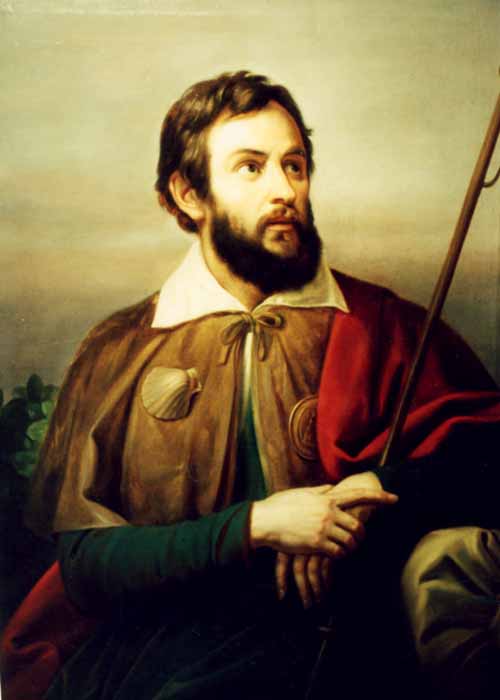
Medieval European cathedrals like Chartres Cathedral were built to house relics and accommodate pilgrims, influencing architectural styles across the continent. The epic poems and travelogues of pilgrims, such as Geoffrey Chaucer's The Canterbury Tales, offer invaluable insights into medieval society and the spiritual lives of ordinary people. Sacred sites often become centers of cultural exchange, fostering the development of unique local crafts, music, and cuisine. The visual iconography of pilgrimage, from depictions of the Kaaba to the scallop shell symbol of the Camino de Santiago, is instantly recognizable. Furthermore, the very concept of a 'sacred journey' has permeated secular culture, influencing adventure narratives and the modern 'transformative travel' movement, demonstrating its enduring resonance beyond religious contexts.
⚡ Current State & Latest Developments
The Camino de Santiago has seen a dramatic increase in walkers, many of whom identify as non-religious but seek personal growth and connection. Digital platforms are also playing a role, with virtual pilgrimages and online communities offering spiritual support and information. However, the sheer volume of pilgrims at popular sites like Mecca and Varanasi presents significant logistical and environmental challenges, prompting discussions about sustainable tourism and crowd management. New pilgrimage routes are also emerging, catering to niche interests or seeking to de-congest established paths, reflecting an evolving understanding of what constitutes a sacred journey in a globalized world.
🤔 Controversies & Debates
The commercialization of sacred sites is a persistent concern. The environmental impact of millions of visitors at sensitive locations, such as the Ganges River or the mountains surrounding Machu Picchu, raises ethical questions about sustainability. Issues of access and inclusion are also part of pilgrimage controversies, particularly concerning gender, disability, and economic barriers that can prevent individuals from undertaking these journeys. Furthermore, the political and social implications of pilgrimage can be fraught, as seen in the historical tensions surrounding access to holy sites in Jerusalem or the management of Hajj by the Saudi government. The debate often centers on balancing spiritual sanctity with practical realities and ensuring equitable access for all devotees.
🔮 Future Outlook & Predictions
The future of pilgrimage is likely to be shaped by technological innovation and evolving societal values. We can expect to see more sophisticated virtual reality experiences that simulate pilgrimage for those unable to travel physically, potentially democratizing access to sacred sites. Simultaneously, there's a growing emphasis on 'slow pilgrimage' and eco-tourism, encouraging more sustainable and mindful journeys that minimize environmental impact. The concept of pilgrimage may continue to expand, encompassing secular quests for meaning, such as journeys to sites of historical trauma or natural wonder, further blurring the lines between religious and secular devotion. The challenge will be to preserve the spiritual integrity of these journeys amidst increasing commercialization and technological mediation, ensuring that the transformative power of pilgrimage remains accessible and authentic.
💡 Practical Applications
Pilgrimage offers a powerful framework for personal and communal transformation, with practical applications extending beyond religious devotion. For individuals, it provides a structured path for self-reflection, healing from trauma, or seeking clarity on life decisions, akin to a therapeutic retreat. Communities can strengthen bonds through shared journeys, fostering solidarity and collective identity, as seen in the annual Hajj or local religious festivals. Businesses and governments can benefit from the economic stimulus provided by religious tou
Key Facts
- Category
- culture
- Type
- topic