
Contents
Overview
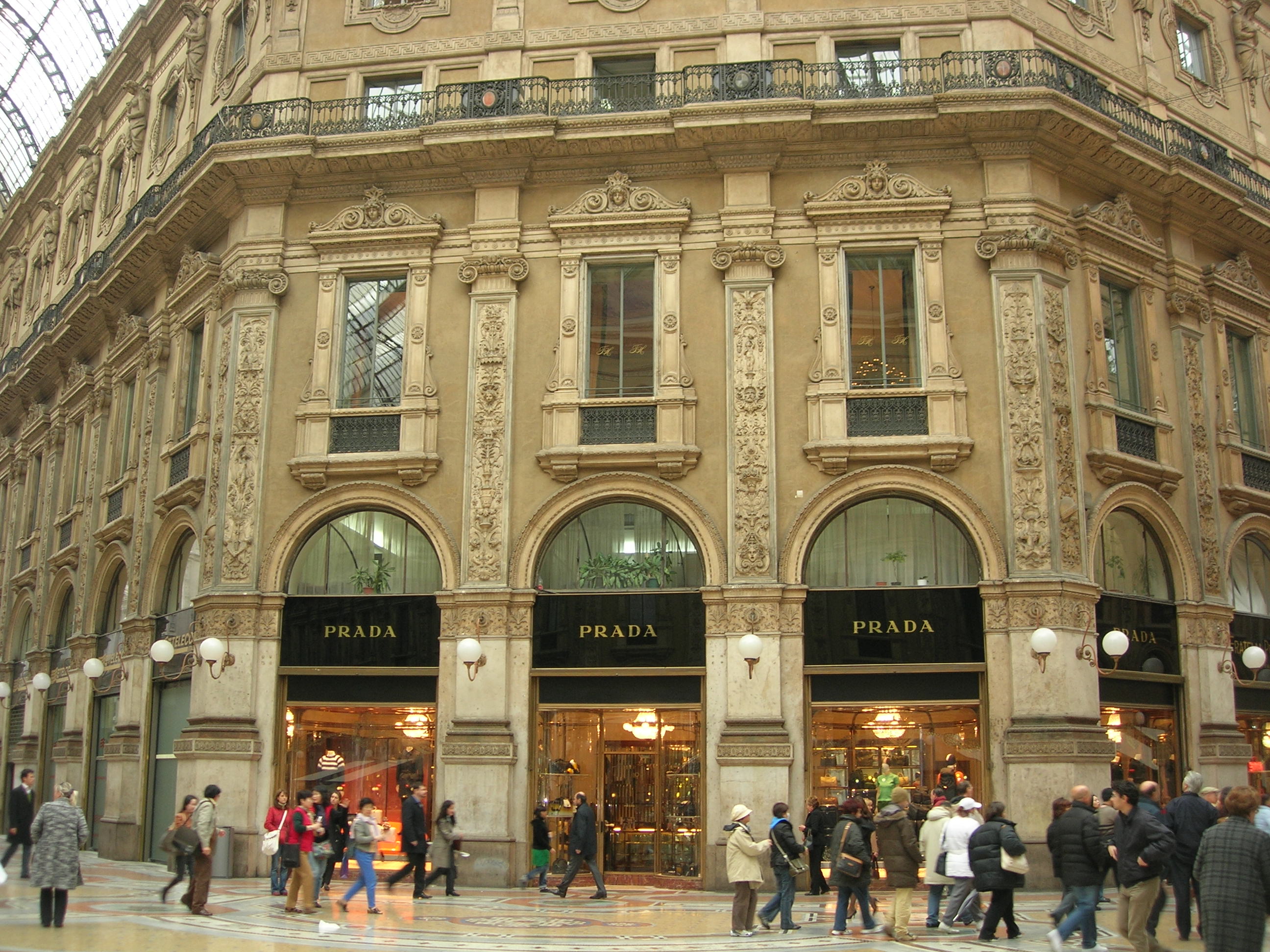
The story of the Prada Group begins in 1913 with Mario Prada, who opened a leather goods shop in Milan's Galleria Vittorio Emanuele II. Initially named Fratelli Prada (Prada Brothers), the store specialized in imported English animal goods, luggage, and accessories crafted from fine materials. Mario Prada, the founder, laid the initial groundwork, establishing the family's legacy in Milanese craftsmanship. It was in the 1970s that the brand experienced its most significant inflection point. Mario's granddaughter, Miuccia Prada, alongside her husband Patrizio Bertelli, took the reins. Miuccia's avant-garde sensibility, coupled with Bertelli's business acumen, led to the introduction of revolutionary utilitarian designs, most notably the use of durable, waterproof 'pocone' nylon for handbags and backpacks. This innovative approach, a stark contrast to the prevailing opulent styles of the era, began to redefine luxury and set Prada apart from its competitors like Gucci and Hermès.
⚙️ How It Works
The Prada Group operates as a vertically integrated luxury conglomerate, managing the design, production, marketing, and retail of its diverse portfolio of brands. Production involves a mix of in-house manufacturing and collaborations with specialized Italian and European artisans, ensuring the high quality associated with the group's labels. The group also licenses its name for specific product categories, such as eyewear through a long-standing partnership with Luxottica and fragrances and cosmetics with L'Oréal. This multi-pronged approach allows Prada Group to maintain brand control while maximizing market reach across various luxury segments.
📊 Key Facts & Numbers
Fondazione Prada, the group's cultural arm, hosts numerous exhibitions and art projects annually, further solidifying its cultural footprint.
👥 Key People & Organizations
Bertelli, her husband, serves as the CEO and has been instrumental in the group's global expansion and business strategy, including its strategic acquisitions and licensing deals. Mario Prada, the founder, laid the initial groundwork, establishing the family's legacy in Milanese craftsmanship.
🌍 Cultural Impact & Influence
Prada's embrace of minimalist, utilitarian aesthetics in the 1980s and 1990s, particularly its use of black nylon, challenged traditional notions of luxury and became a hallmark of 'anti-fashion' chic, influencing designers like Helmut Lang and Jil Sander. The co-creative direction of Miuccia Prada and Raf Simons has injected fresh energy into the Prada brand, attracting a younger demographic and generating significant buzz around their collections.
⚡ Current State & Latest Developments
The Prada Group has faced scrutiny regarding its labor practices and supply chain transparency, a common challenge for major luxury conglomerates. The brand's positioning at the intersection of high fashion and intellectualism also invites debate about accessibility and the inherent exclusivity of luxury goods, a perennial discussion within the fashion world.
🤔 Controversies & Debates
The Prada Group has faced scrutiny regarding its labor practices and supply chain transparency, a common challenge for major luxury conglomerates. The brand's positioning at the intersection of high fashion and intellectualism also invites debate about accessibility and the inherent exclusivity of luxury goods, a perennial discussion within the fashion world.
🔮 Future Outlook & Predictions
The ongoing collaboration between Miuccia Prada and Raf Simons is expected to maintain creative momentum and appeal to a global audience seeking innovative luxury. A key focus will likely be on deepening sustainability efforts, as consumer demand for ethical and environmentally conscious luxury continues to rise, potentially influencing material sourcing and production methods across all its brands, including Miu Miu and Church's.
💡 Practical Applications
The Prada Group's influence is evident in its direct licensing partnerships, which extend its brand reach into everyday consumer products. The eyewear division, managed by Luxottica, produces Prada and Miu Miu branded sunglasses and prescription frames, making the brand's aesthetic accessible to a broader market. Similarly, the agreement with L'Oréal for fragrances and cosmetics allows consumers to experience the Prada scent profiles and beauty products. Beyond licensing, the group's commitment to art and culture through Fondazione Prada serves as a model for other luxury houses seeking to engage with society beyond fashion, fostering a symbiotic relationship between commerce and creativity. The group's retail operations also serve as a blueprint for luxury store design and customer experience.
Key Facts
- Category
- culture
- Type
- topic