
Contents
Overview
Preventive healthcare encompasses all measures taken to avert disease and promote well-being before illness strikes. It's a multifaceted approach that acknowledges disease as a dynamic process influenced by environment, genetics, pathogens, and lifestyle. Rooted in historical observations of health and disease, modern preventive care leverages scientific advancements for early detection and intervention. This includes everything from routine vaccinations and screenings like mammograms and colonoscopies to lifestyle counseling on diet and exercise. Globally, the impact is immense, with studies indicating a significant portion of deaths stem from preventable causes, underscoring the critical role of proactive health strategies in reducing morbidity and mortality and improving overall public health outcomes.
🎵 Origins & History
The concept of preventing illness predates modern medicine, with ancient civilizations like the Greeks and Romans recognizing the importance of hygiene, diet, and exercise for health. The formalization of preventive medicine gained traction in the 19th century with the germ theory of disease. The categorization into primal, primary, secondary, and tertiary prevention provided a structured framework for understanding and implementing these measures.
⚙️ How It Works
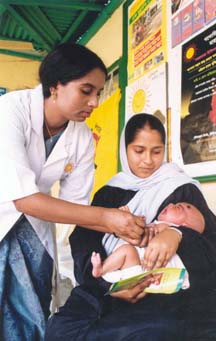
Preventive healthcare operates through several distinct levels. Primary prevention aims to prevent disease before it ever occurs, such as through vaccinations, healthy eating campaigns, and smoking cessation programs. Secondary prevention focuses on early detection and intervention to slow or stop disease progression, exemplified by cancer screenings like mammograms and colonoscopies, and blood pressure monitoring. Tertiary prevention seeks to reduce the impact of an existing disease and prevent complications, involving rehabilitation and chronic disease management. More recently, quaternary prevention has emerged, aiming to protect patients from medical interventions that may cause harm or overtreatment, emphasizing judicious use of medical resources and avoiding unnecessary procedures.
📊 Key Facts & Numbers
Globally, preventable causes account for a staggering burden of disease. The impact is also substantial. Vaccination alone is estimated to prevent between 2 to 3 million deaths worldwide each year, according to the WHO.
👥 Key People & Organizations
Pioneers in public health and epidemiology have been instrumental in shaping preventive healthcare. Organizations like the World Health Organization (WHO) and national bodies such as the Centers for Disease Control and Prevention (CDC) in the U.S. are critical in setting guidelines, funding research, and implementing preventive programs.
🌍 Cultural Impact & Influence
The cultural resonance of preventive healthcare is profound, shifting societal attitudes from reactive treatment to proactive well-being. The widespread acceptance of vaccines has eradicated or drastically reduced the incidence of once-devastating diseases like smallpox and polio, fundamentally altering childhood mortality rates and public perception of infectious threats. Public health campaigns promoting healthy lifestyles, such as anti-smoking initiatives and campaigns for regular exercise, have permeated popular culture, influencing personal choices and even inspiring media portrayals of health-conscious characters. The rise of wellness culture, with its emphasis on mindfulness, nutrition, and fitness, is a direct descendant of preventive healthcare principles, demonstrating how these medical concepts have become integrated into broader lifestyle trends and personal identity.
⚡ Current State & Latest Developments
The landscape of preventive healthcare is rapidly evolving, driven by technological innovation and a deeper understanding of disease mechanisms. Genomic medicine is paving the way for personalized risk assessments, allowing for tailored screening schedules and interventions based on an individual's genetic predispositions. Artificial intelligence (AI) is increasingly being employed in analyzing large datasets to identify at-risk populations, predict disease outbreaks, and optimize screening protocols. Wearable technology, such as smartwatches and fitness trackers, provides continuous physiological data, enabling early detection of anomalies and empowering individuals to monitor their health in real-time. The focus is shifting towards 'predictive' and 'prescriptive' analytics, moving beyond simply preventing disease to actively guiding individuals toward optimal health.
🤔 Controversies & Debates
Despite its clear benefits, preventive healthcare is not without its controversies and debates. The efficacy and necessity of certain screening tests are frequently debated, with concerns raised about overdiagnosis, false positives, and the potential harms associated with invasive follow-up procedures. For instance, the optimal age and frequency for mammograms and prostate cancer screenings have been subjects of ongoing discussion and revised guidelines from organizations like the USPSTF. Furthermore, the role of lifestyle in disease causation is complex; while widely accepted, attributing blame for conditions like obesity or Type 2 diabetes solely to individual choices can overlook socioeconomic factors, environmental influences, and systemic barriers to healthy living, leading to debates about health equity and social determinants of health.
🔮 Future Outlook & Predictions
The future of preventive healthcare points towards an increasingly personalized and predictive model. Advances in genetics and biotechnology will enable even more precise risk stratification, allowing for highly individualized prevention plans from birth. Digital health platforms, powered by AI and machine learning, will offer continuous monitoring and proactive interventions, potentially shifting healthcare from episodic clinic visits to a constant, data-driven engagement. The integration of environmental and social determinants of health into predictive models will also become more sophisticated, recognizing that health is shaped by more than just biological factors. The ultimate goal is a paradigm shift where healthcare systems are designed not just to treat illness, but to actively maintain and enhance lifelong well-being, potentially leading to significant increases in both lifespan and healthspan.
💡 Practical Applications
Preventive healthcare has a vast array of practical applications across all sectors of society. In clinical settings, it includes vaccination clinics, regular physical examinations, and screenings for conditions like hypertension, cholesterol, and various cancers. Public health initiatives focus on community-level interventions such as promoting safe sex practices
Key Facts
- Category
- science
- Type
- topic