
Contents
Overview
Public health awareness refers to the organized effort to disseminate information and promote understanding about health issues, diseases, and preventive strategies within a population. It encompasses a broad range of activities, from government-led campaigns on vaccination to community-based initiatives on nutrition and mental well-being. The ultimate goal is to empower individuals and communities to make informed decisions that improve health outcomes and reduce the burden of disease. Historically, public health awareness campaigns have been instrumental in combating epidemics, reducing mortality rates, and fostering healthier lifestyles, demonstrating their profound impact on societal well-being. The effectiveness of these campaigns hinges on strategic communication, targeted messaging, and an understanding of diverse cultural contexts, often involving collaboration between governmental bodies, non-profit organizations, and media outlets.
🎵 Origins & History
The roots of public health awareness can be traced back to ancient civilizations that recognized the importance of sanitation and communal well-being. Early efforts focused on hygiene, vaccination, and disease surveillance, often driven by devastating outbreaks like cholera and smallpox. The establishment of public health organizations, such as the World Health Organization (WHO) in 1948, formalized global efforts to promote health awareness and implement preventive measures. Landmark campaigns, like those promoting polio vaccination and anti-smoking initiatives, demonstrated the power of sustained public education in altering health behaviors on a massive scale.
⚙️ How It Works
Public health awareness operates through mass media campaigns, digital platforms, community outreach programs, educational institutions, and healthcare provider interactions. The process typically involves identifying a health issue, defining target audiences, crafting clear and compelling messages, selecting appropriate communication channels, implementing the campaign, and evaluating its effectiveness through data analysis and feedback. Strategic messaging often employs behavioral science principles to encourage adoption of healthy practices, such as the Health Belief Model or the Theory of Planned Behavior.
📊 Key Facts & Numbers
Globally, an estimated 70% of deaths are attributable to non-communicable diseases (NCDs), many of which are preventable through lifestyle changes promoted by public health awareness campaigns. For instance, tobacco use causes over 8 million deaths annually, a figure that public health efforts aim to reduce. In the United States, campaigns promoting COVID-19 vaccination saw over 67% of the population fully vaccinated by early 2023, a testament to effective public messaging. Furthermore, mental health awareness initiatives have seen increased engagement, with a reported 40% increase in mental health discussions on social media platforms between 2019 and 2020. The annual budget for public health campaigns can range from millions to billions of dollars, with significant return on investment in terms of reduced healthcare costs and improved quality of life.
👥 Key People & Organizations
Numerous individuals and organizations have been pivotal in shaping public health awareness. Pioneers like Jonas Salk, developer of the polio vaccine, and Charles Kellogg (though his association is more with health foods than direct awareness campaigns, his work influenced public perception of diet) laid groundwork for preventive health. Organizations such as the Centers for Disease Control and Prevention (CDC) in the U.S. and the UK Health Security Agency (UKHSA) in the UK are at the forefront of designing and disseminating public health information. Non-profits like the American Heart Association and the Cancer Research UK also play crucial roles in raising awareness about specific diseases and risk factors. Media outlets, from major news networks to specialized health publications, are essential partners in amplifying these messages.
🌍 Cultural Impact & Influence
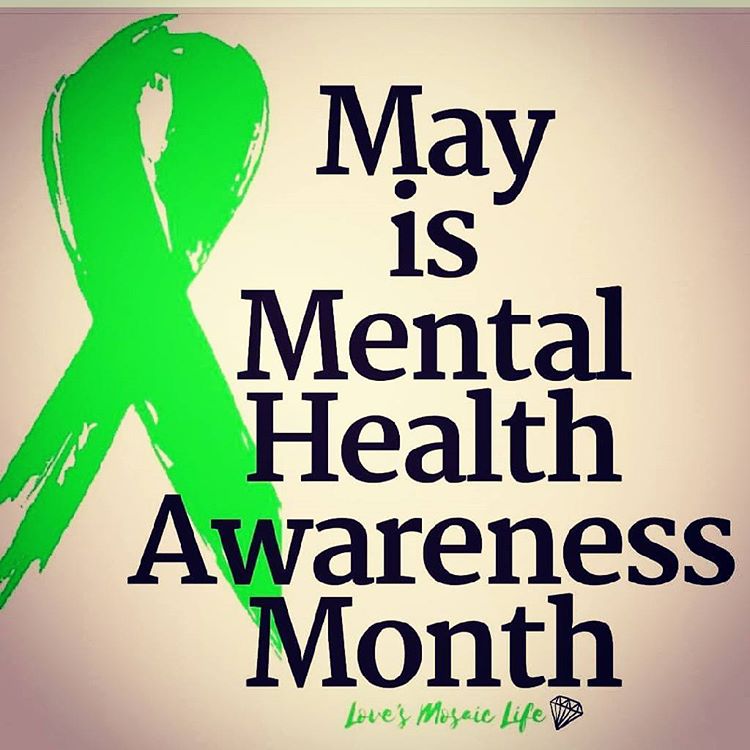
Public health awareness campaigns have profoundly reshaped societal norms and individual behaviors. The anti-smoking movement, for example, has dramatically reduced smoking rates in many countries, shifting public perception from acceptance to widespread disapproval. Similarly, campaigns promoting seat belt usage have become standard, significantly lowering traffic fatalities. The increasing visibility of mental health issues, partly due to awareness campaigns, has led to greater destigmatization and improved access to care. These initiatives not only influence individual choices but also drive policy changes, such as stricter regulations on food labeling or the implementation of public health mandates during pandemics like COVID-19.
⚡ Current State & Latest Developments
In the current landscape, public health awareness is increasingly leveraging digital technologies and social media to combat misinformation and reach younger demographics. The COVID-19 pandemic highlighted both the power and the challenges of rapid public health communication, with rapid vaccine development and distribution efforts being accompanied by widespread concerns about vaccine hesitancy and the spread of false information. Initiatives are now focusing on building health literacy and critical thinking skills to help individuals discern credible health information from unreliable sources. The rise of AI-powered health tools and personalized health apps also presents new avenues for targeted awareness campaigns.
🤔 Controversies & Debates
A significant controversy surrounding public health awareness lies in the balance between public good and individual liberty. Mandates for vaccinations or mask-wearing, while aimed at collective protection, often spark debates about personal autonomy and government overreach, as seen during the COVID-19 response. Another debate centers on the effectiveness and ethical implications of certain campaign tactics, such as the use of fear-based messaging or the influence of corporate funding on public health agendas. The challenge of reaching marginalized or underserved communities, who may have lower health literacy or distrust in public institutions, remains a persistent point of contention.
🔮 Future Outlook & Predictions
The future of public health awareness is likely to be shaped by advancements in data analytics, artificial intelligence, and personalized communication. AI could enable hyper-targeted campaigns tailored to individual risk factors and preferences, while blockchain technology might enhance the transparency and traceability of health information. There's also a growing emphasis on addressing the social determinants of health, with campaigns increasingly focusing on factors like poverty, education, and access to resources. The challenge will be to navigate ethical considerations, ensure equitable access to information, and combat the ever-evolving landscape of health misinformation in the digital age.
💡 Practical Applications
Public health awareness has direct practical applications across numerous sectors. In the medical field, it drives adherence to vaccination schedules and promotes early detection of diseases through screenings. In education, it informs curriculum development on topics like nutrition, sexual health, and substance abuse prevention. Within workplaces, awareness programs can foster healthier environments and reduce absenteeism. Furthermore, policy-making relies heavily on public health awareness data to justify and implement public health interventions, from traffic safety laws to food safety regulations. The development of public health campaigns for specific issues, like promoting hand washing during flu season, exemplifies direct, actionable application.
Key Facts
- Category
- movements
- Type
- concept