
Contents
Overview
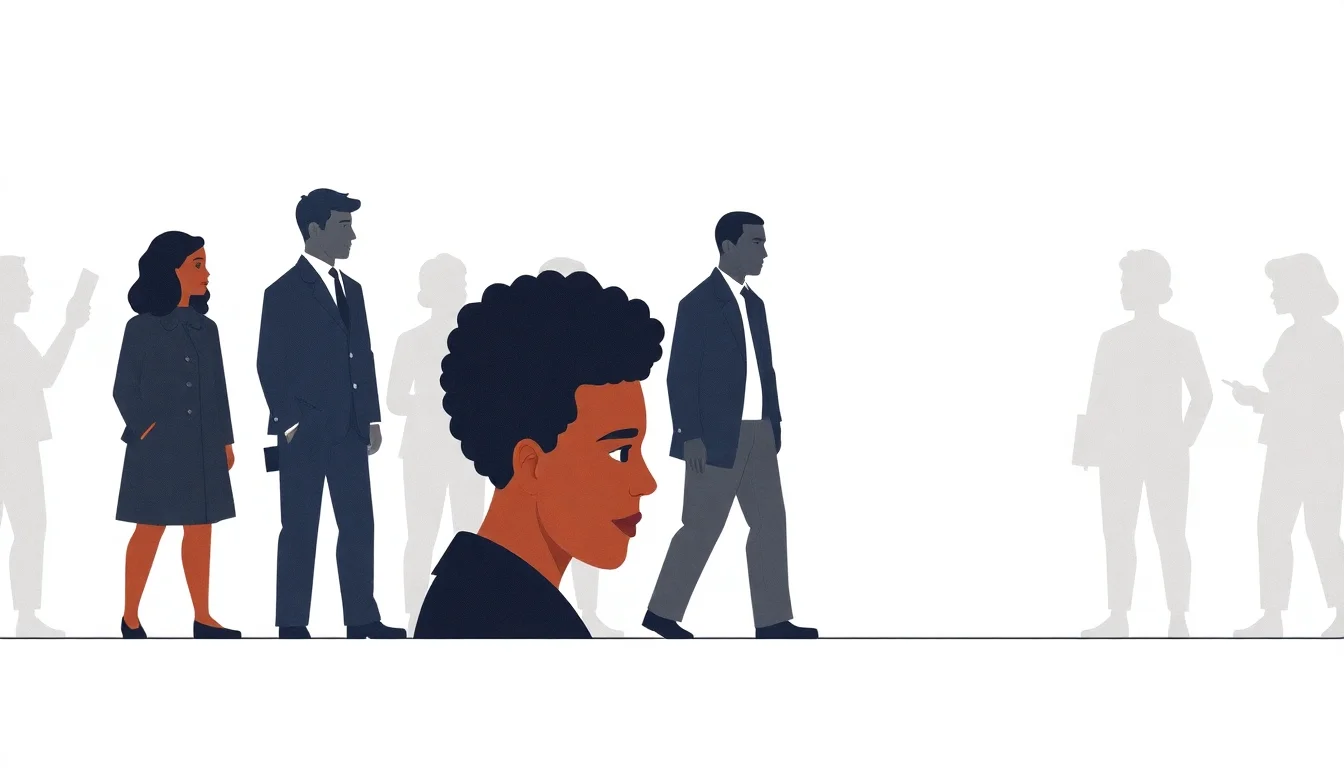
Racial profiling, at its core, is the practice of targeting individuals for suspicion of crime based on their race or ethnicity, rather than on specific, individualized evidence. This isn't about profiling a known suspect; it's about pre-judging based on group identity. It manifests in various forms, from disproportionate traffic stops and pedestrian stops to more insidious uses of surveillance technology. The debate rages on: is it a necessary, albeit imperfect, crime prevention tool, or a blatant violation of civil liberties and fundamental human rights? The distinction between de jure (by law) and de facto (in practice) profiling further complicates the issue, as even without explicit discriminatory laws, systemic biases can lead to similar outcomes.
🌍 Global Hotspots & Case Studies
While racial profiling is a global phenomenon, certain regions and countries have seen particularly intense scrutiny. In the United States, the post-9/11 era saw increased profiling of individuals of Middle Eastern and South Asian descent, alongside persistent issues faced by Black and Hispanic communities. Europe has grappled with profiling of Roma populations and individuals perceived as Muslim, particularly in countries like France and Germany. China's use of facial recognition technology to monitor Uyghur populations in Xinjiang represents a stark, technologically-driven manifestation of ethnic profiling. Examining these diverse contexts reveals how historical power dynamics and geopolitical events shape discriminatory policing practices.
📈 The Data: Disparities & Statistics
The statistical evidence of racial profiling is often stark and deeply concerning. Numerous studies, like those conducted by the ACLU, consistently show that Black and Hispanic individuals are stopped, searched, and arrested at significantly higher rates than their white counterparts, even when accounting for crime rates. For instance, data from the Bureau of Justice Statistics has repeatedly highlighted disparities in police stops and use of force. These numbers aren't abstract; they represent millions of encounters where race, not behavior, appears to be the primary factor influencing law enforcement attention, fueling widespread distrust in the justice system.
🏛️ Legal Frameworks & Challenges
Legally, racial profiling occupies a contentious space. In many jurisdictions, it is explicitly prohibited under anti-discrimination laws and constitutional protections against unreasonable searches and seizures. Landmark court cases, such as Terry v. Ohio in the U.S., have established guidelines for investigatory stops, but the interpretation and application of these rulings remain a battleground. Critics argue that existing legal remedies are insufficient to address systemic profiling, while proponents of profiling often cite national security concerns or the need for effective law enforcement. The challenge lies in proving intent and demonstrating systemic bias within the legal system.
💡 Counter-Strategies & Advocacy
In response to the pervasive issue of racial profiling, a robust ecosystem of advocacy and reform efforts has emerged. Organizations like Color of Change and NAACP Legal Defense and Educational Fund work tirelessly to challenge discriminatory practices through litigation, public awareness campaigns, and policy advocacy. Community-led initiatives focus on building trust between law enforcement and marginalized communities, demanding greater transparency and accountability. These efforts push for reforms such as implicit bias training, independent oversight boards, and the collection of comprehensive data on police stops and use of force, aiming to dismantle the very foundations of profiling.
🤖 Technology's Double-Edged Sword
The increasing integration of technology into policing presents a complex new dimension to racial profiling. Artificial intelligence and facial recognition software, while touted for efficiency, can embed and amplify existing biases. Algorithms trained on skewed datasets can disproportionately flag individuals from minority groups, leading to wrongful stops and arrests. The use of predictive policing software, which forecasts crime hotspots, also risks reinforcing existing patterns of over-policing in minority neighborhoods. The ethical implications of deploying such technologies without rigorous bias testing and oversight are profound, raising questions about algorithmic justice.
🗣️ Voices from the Frontlines
The lived experiences of those subjected to racial profiling offer a powerful counterpoint to abstract policy debates. Individuals recount the fear, humiliation, and indignity of being treated as a suspect based solely on their appearance. Stories from Black Lives Matter activists, immigrant communities, and Indigenous rights advocates paint a vivid picture of the psychological toll and erosion of trust that profiling inflicts. These personal narratives underscore the urgent need for systemic change, moving beyond statistics to acknowledge the human cost of discriminatory practices and demanding that law enforcement agencies truly serve and protect all members of the community.
🔮 The Future of Policing & Profiling
The trajectory of racial profiling is inextricably linked to the future of policing and societal attitudes towards race. Will advancements in technology lead to more equitable or more entrenched forms of discrimination? Can reforms like community policing and demilitarization effectively dismantle the biases that fuel profiling? The ongoing struggle for racial justice suggests that sustained pressure from civil society, coupled with a genuine commitment to accountability from law enforcement and policymakers, will be crucial. The ultimate goal is a future where suspicion is based on conduct, not color, and where public safety is achieved through justice, not prejudice.
Key Facts
- Year
- 1700
- Origin
- While the term 'racial profiling' gained prominence in the late 20th century, the practice itself has historical precedents dating back to colonial-era policing and the enforcement of discriminatory laws against various ethnic and racial groups. Early forms of surveillance and suspicion were often explicitly tied to racial categories, laying the groundwork for contemporary practices.
- Category
- Social Justice & Law Enforcement
- Type
- Topic
Frequently Asked Questions
Is racial profiling illegal?
In many countries, including the United States and across the European Union, racial profiling is considered illegal and a violation of anti-discrimination laws and constitutional rights. However, proving its occurrence and challenging it in court can be complex. The distinction between profiling based on race and legitimate, evidence-based suspicion is often a point of contention in legal battles and policy debates.
What are the main arguments for racial profiling?
Proponents, often within law enforcement or national security circles, argue that racial profiling can be an effective tool for preventing crime and terrorism by allowing authorities to focus resources on groups statistically more likely to be involved in certain activities. They may cite specific incidents where profiling allegedly led to the apprehension of a suspect. However, these arguments are heavily contested by civil rights organizations who point to the ineffectiveness and discriminatory nature of such practices.
How does technology contribute to racial profiling?
Technology, particularly facial recognition software and AI-powered predictive policing, can exacerbate racial profiling. If the data used to train these systems reflects existing societal biases, the technology can learn to disproportionately flag individuals from minority groups. This can lead to wrongful stops, increased surveillance, and the reinforcement of discriminatory policing patterns, creating a cycle of bias that is difficult to break.
What can individuals do if they believe they have been racially profiled?
If you believe you have been a victim of racial profiling, you can document the incident thoroughly, including dates, times, locations, officer badge numbers, and witness information. You can file a complaint with the relevant law enforcement agency's internal affairs division or civilian oversight board. Many civil rights organizations offer legal assistance and guidance for victims of profiling.
Are there international laws against racial profiling?
Yes, international human rights law, such as the International Convention on the Elimination of All Forms of Racial Discrimination (ICERD), prohibits racial discrimination. While not always directly enforceable in domestic courts, these conventions set standards and provide a framework for national legislation and international pressure against discriminatory practices like racial profiling.
How is racial profiling different from general profiling?
General profiling, in a law enforcement context, refers to developing a profile of a suspect based on specific behaviors, modus operandi, or concrete evidence related to a particular crime. Racial profiling, conversely, targets individuals based on their race or ethnicity, irrespective of individual behavior or specific evidence, relying instead on broad, often stereotypical, group characteristics.