
Contents
Overview
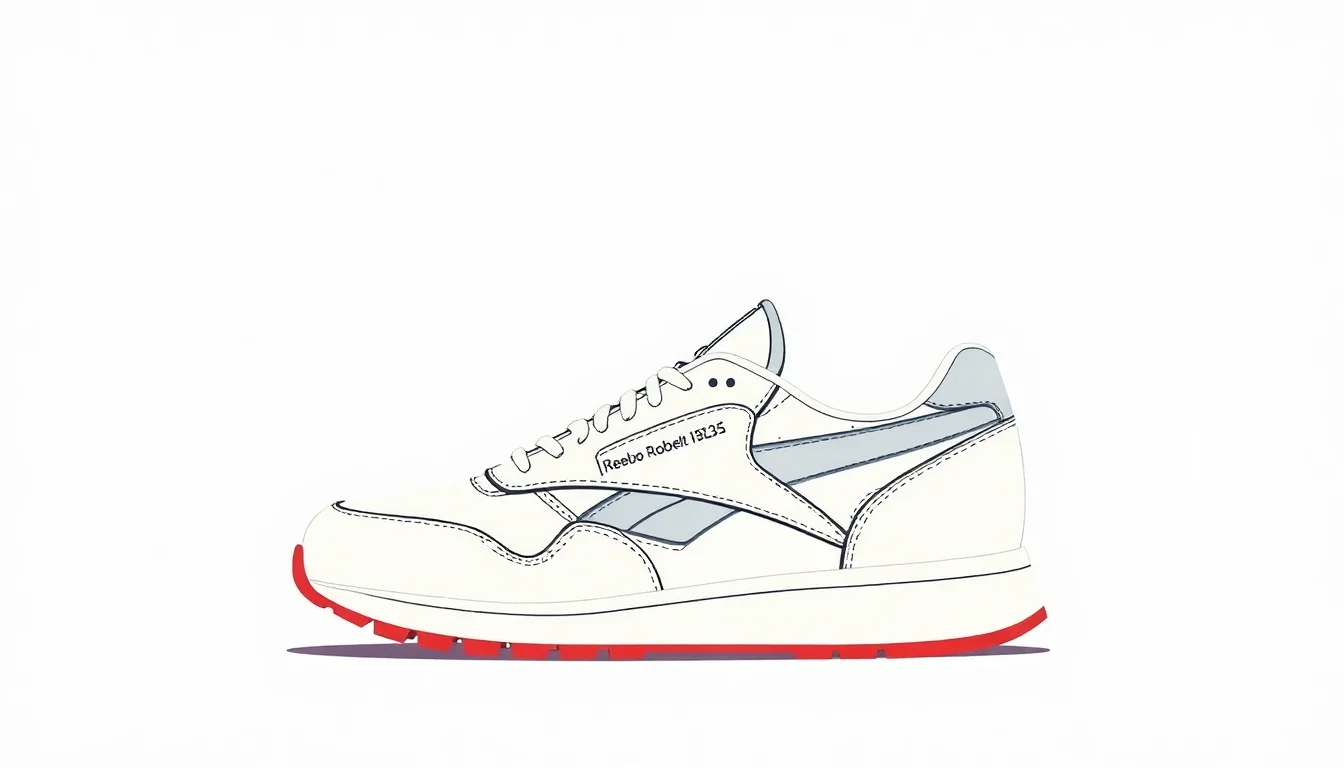
Reebok is a globally recognized brand specializing in athletic footwear, apparel, and accessories. Founded in England in 1958 as a spin-off from J.W. Foster and Sons, it boasts a rich heritage in sports and fitness. Initially known for its running shoes and later for its aerobics and cross-training gear, Reebok has evolved significantly. Today, it operates under Authentic Brands Group, offering a diverse range of products catering to both performance athletes and lifestyle consumers. Their iconic designs, like the Club C and Classic Leather, remain staples in streetwear, while their performance lines continue to innovate for dedicated athletes.
📍 Global Presence & Headquarters
While Reebok's roots are firmly planted in Bolton, England, its operational heart now beats in Boston, Massachusetts, specifically in the Seaport District. This strategic location in the US reflects its current ownership under Authentic Brands Group. You can find Reebok products in major sporting goods retailers worldwide, as well as through their extensive network of brand-owned stores and their official website. While specific store hours and locations vary, their online presence ensures global accessibility for purchasing their gear.
💰 Pricing & Value Proposition
Reebok's pricing generally falls within the mid-to-high range for athletic apparel and footwear, comparable to major competitors like Nike and Adidas. Entry-level lifestyle sneakers might start around $70-$90, while specialized performance running or training shoes can range from $120 to $180 or more. Apparel prices vary, with t-shirts typically between $30-$50 and more technical outerwear reaching $100-$200. The brand often offers sales and discounts, particularly on older models or during seasonal promotions, making their products more accessible.
⭐ The Reebok Vibe: From Classics to Performance
The 'Reebok Vibe' is a fascinating blend of nostalgic appeal and forward-thinking innovation. The brand has masterfully leveraged its heritage, reissuing beloved classics like the Freestyle Hi and the aforementioned Club C, which have become streetwear icons. Simultaneously, Reebok continues to invest in performance technology, particularly in areas like running shoe cushioning and training apparel for gym-goers and athletes. This dual focus allows them to capture a broad market, from those seeking retro cool to those demanding cutting-edge athletic gear.
🤔 Reebok vs. The Competition
In the crowded athletic wear market, Reebok competes directly with giants like Nike, Adidas, and Puma. While Nike often leads in market share and brand hype, and Adidas boasts a strong global presence and fashion collaborations, Reebok carves out its niche through its strong heritage in specific fitness categories like cross-training and its enduring appeal of classic silhouettes. Its acquisition by ABG has signaled a renewed focus on brand revitalization, aiming to reclaim market share by emphasizing both its iconic past and its future potential.
🚀 The Future of Reebok
The future of Reebok under Authentic Brands Group appears to be one of strategic revitalization. ABG is known for its ability to manage and grow established brands, often by focusing on their core strengths and expanding their reach through licensing and strategic partnerships. Expect a continued emphasis on heritage models, potential new collaborations with designers and artists, and a push to innovate within key performance categories. The challenge will be to balance nostalgia with genuine athletic advancement to capture a significant share of the modern sportswear market.
🔗 Getting Started with Reebok
To get started with Reebok, the most straightforward approach is to visit their official website, Reebok.com. Here you can browse their full catalog, filter by sport or lifestyle, and access detailed product information. Alternatively, visit major sporting goods retailers like Dick's Sporting Goods or Foot Locker to try on shoes and apparel in person. For those interested in the brand's history, exploring articles on Vibepedia about its origins and iconic models can provide valuable context.
Key Facts
- Year
- 1895
- Origin
- Bolton, England
- Category
- Apparel & Footwear
- Type
- Brand
Frequently Asked Questions
Is Reebok still a relevant brand?
Absolutely. While market dynamics shift, Reebok maintains significant relevance through its strong heritage, iconic retro models like the Club C, and continued innovation in performance footwear. Its acquisition by Authentic Brands Group in 2021 signals a strategic push to reinvigorate the brand and reclaim market share, ensuring its presence in both lifestyle and athletic spheres.
What are Reebok's most popular shoe models?
Among the most enduringly popular are the Club C for its minimalist tennis-inspired design, the Classic Leather for its timeless running shoe aesthetic, and the Freestyle Hi which became an aerobics icon. More recently, performance lines like the Zig Kinetica have gained traction for their distinctive design and comfort.
Where are Reebok shoes made?
Reebok, like most major athletic footwear brands, sources its manufacturing globally, with production facilities primarily located in Asia, particularly Vietnam, China, and Indonesia. While the brand's design and corporate headquarters are in Boston, the actual production of the shoes occurs in these international factories.
What is the difference between Reebok's performance and lifestyle lines?
Reebok's performance lines, such as those featuring Floatride cushioning or DMX technology, are engineered with specific athletic activities in mind, prioritizing support, cushioning, and responsiveness. Lifestyle lines, like the Club C or Classic Leather, focus more on aesthetics, comfort for everyday wear, and retro design elements, though they often retain elements of athletic comfort.
How does Reebok compare to Adidas?
Both brands originated in Germany and have a long history in sportswear. Adidas, now a direct competitor and former owner of Reebok, often has a broader global reach and a stronger presence in high-fashion collaborations. Reebok, while historically strong in cross-training and aerobics, is now focusing on revitalizing its heritage classics and specific performance niches under new ownership.
What is the history of the Reebok logo?
The original Reebok logo, from 1958 to 1986, featured the Union Jack flag, signifying its English origins. It later evolved through various iterations, including a delta symbol representing change and growth, and currently utilizes a more minimalist wordmark and vector logo, reflecting its modern identity under Authentic Brands Group.