
Contents
Overview
Retinitis pigmentosa (RP) is a member of a group of genetic disorders called inherited retinal dystrophy (IRD) that cause loss of vision. According to the National Eye Institute, RP affects approximately 1 in 4,000 people worldwide. The disorder is generally inherited from one or both parents, with genetic variants in nearly 100 genes contributing to the condition. Researchers at Harvard University and Stanford University have made significant contributions to understanding the genetic mechanisms underlying RP.
👀 Symptoms & Diagnosis
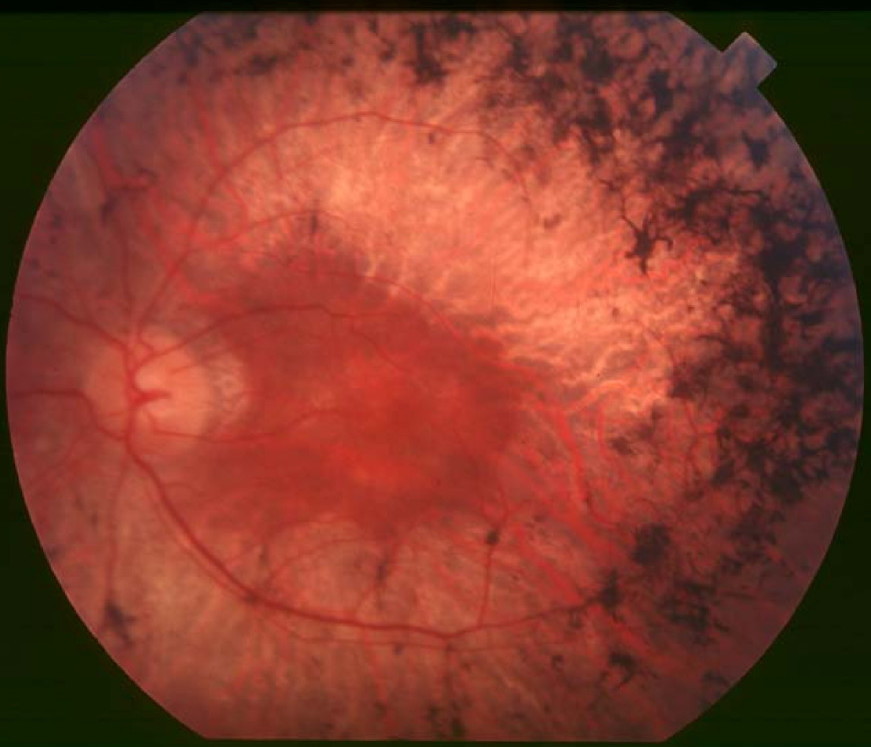
Symptoms of RP include trouble seeing at night and decreasing peripheral vision (side and upper or lower visual field). As peripheral vision worsens, people may experience 'tunnel vision'. Complete blindness is uncommon, but the onset of symptoms is generally gradual and often begins in childhood. The American Academy of Ophthalmology recommends regular eye exams for individuals with a family history of RP. Diagnosis is through eye examination of the retina, which can reveal dark pigment deposits and other characteristic changes.
🔎 Treatment & Management
While there is no cure for RP, various treatments and management strategies can help slow disease progression. Gene therapy has shown promise in clinical trials, with companies like Biogen and Regeneron leading the charge. Additionally, low vision therapy and assistive technologies, such as those developed by Microsoft and Google, can help individuals with RP adapt to their changing vision. The Foundation Fighting Blindness is a leading organization dedicated to supporting research and awareness efforts for RP and other inherited retinal diseases.
🌐 Research & Future Directions
Research into RP is ongoing, with scientists exploring new avenues for treatment and management. The National Institutes of Health has funded numerous studies on RP, including investigations into the role of stem cells and CRISPR gene editing in treating the condition. As our understanding of the genetics and molecular mechanisms underlying RP grows, so too do the possibilities for developing effective treatments and improving the lives of those affected by this devastating disease.
Key Facts
- Year
- 2022
- Origin
- Global
- Category
- science
- Type
- disease
Frequently Asked Questions
What are the symptoms of retinitis pigmentosa?
Symptoms of RP include trouble seeing at night and decreasing peripheral vision, often beginning in childhood. As the condition progresses, individuals may experience 'tunnel vision' and significant vision loss. According to the Mayo Clinic, early diagnosis and treatment can help slow disease progression.
Is there a cure for retinitis pigmentosa?
Currently, there is no cure for RP, but researchers are exploring various treatments, including gene therapy and stem cell therapy. Companies like Spark Therapeutics are developing innovative therapies to address the underlying genetic causes of RP. The FDA has approved several treatments for RP, including Luxturna gene therapy.
How is retinitis pigmentosa diagnosed?
Diagnosis of RP is through a comprehensive eye examination, including a visual field test and retinal imaging. The American Academy of Ophthalmology recommends regular eye exams for individuals with a family history of RP. Genetic testing may also be used to identify the underlying genetic variants contributing to the condition.
What are the latest research developments for retinitis pigmentosa?
Researchers are actively exploring new avenues for treating RP, including gene therapy, stem cell therapy, and small molecule therapies. The National Institutes of Health has funded numerous studies on RP, and organizations like the Foundation Fighting Blindness are supporting research and awareness efforts. Companies like Biogen and Regeneron are also investing in RP research and development.
How can individuals with retinitis pigmentosa adapt to their changing vision?
Individuals with RP can adapt to their changing vision by using assistive technologies, such as magnifying glasses and screen readers, and by learning new skills, such as braille and mobility training. The National Federation of the Blind offers resources and support for individuals with RP and other visual impairments. Additionally, low vision therapy can help individuals with RP maximize their remaining vision and maintain independence.