
Contents
Overview
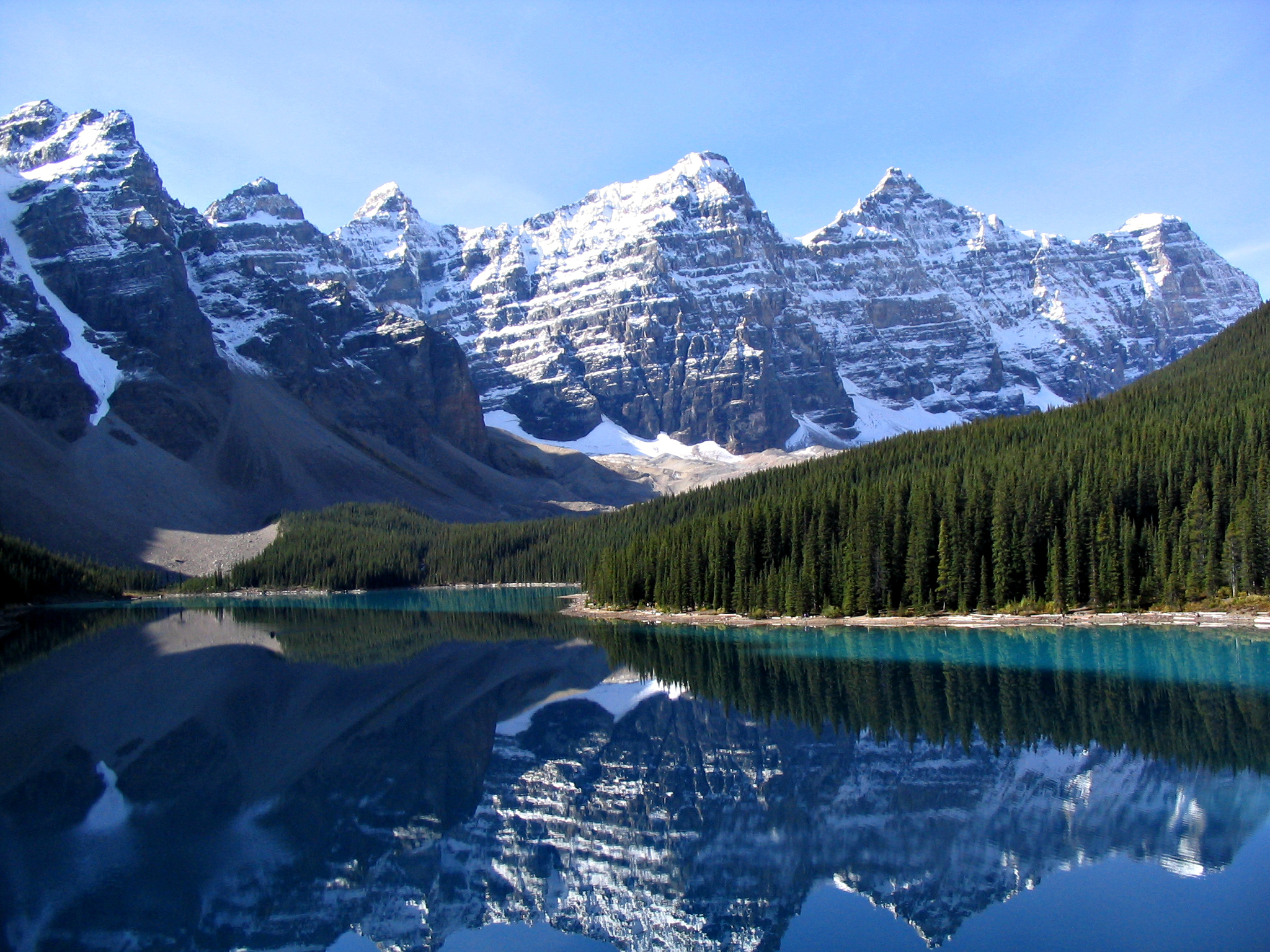
The Rocky Mountains, a prominent feature of the North American Cordillera, extend approximately 3,000 miles (4,800 km) in a straight line from northern British Columbia in Canada to New Mexico in the southwestern United States. This immense mountain system was primarily formed during the Laramide orogeny, an intense period of plate tectonic activity occurring between 80 and 55 million years ago. The geological processes involved, including the subduction of oceanic plates beneath the North American plate, sculpted the dramatic peaks and valleys that characterize the range. While the core of the mountains is composed of ancient Precambrian rock, subsequent erosion by glaciers has further shaped their current rugged landscape. The formation of the Rockies is distinct from younger ranges like the Cascade Range and Sierra Nevada, which lie further west. The geological history is complex, involving multiple stages of uplift and erosion, with the Ancestral Rocky Mountains predating the current range by millions of years.
🏞️ Diverse Ecosystems and Wildlife
The Rockies boast an incredible diversity of ecosystems, ranging from alpine tundra at high elevations to dense forests and meadows at lower altitudes. This varied topography supports a rich array of wildlife, including elk, bighorn sheep, mountain goats, bears, and numerous bird and fish species. The Canadian Rockies, for instance, are home to iconic species like the grizzly bear and the woodland caribou. The parklands within the Rockies, such as Rocky Mountain National Park, are crucial habitats for these animals. The climate within the mountain range varies significantly with elevation, contributing to the distinct life zones found throughout the system. The health of these ecosystems is increasingly being studied in the context of climate change, with phenomena like shrinking snowpack and altered seasonal rhythms impacting the delicate balance.
🌍 Human History and Exploration
Human presence in the Rocky Mountains dates back thousands of years, with Indigenous peoples like the Ute and Arapaho inhabiting the region. European exploration began in the 18th century, with figures like Jacques Legardeur de Saint-Pierre documenting the range. Later expeditions, such as the Lewis and Clark Expedition, further mapped the territory. The pursuit of natural resources, particularly minerals and fur, drove early economic exploitation. The establishment of national parks, like Rocky Mountain National Park in 1915, marked a significant shift towards conservation and preservation of these lands. The Civilian Conservation Corps played a role in developing infrastructure within these parks, such as Trail Ridge Road, as documented by the National Park Service. The history of the Rockies is intertwined with the exploration and settlement of western North America.
🌟 Recreational Significance
The Rocky Mountains are a major destination for outdoor recreation, attracting millions of visitors annually. Activities range from hiking, camping, and mountaineering to skiing, snowboarding, and wildlife viewing. National parks like Rocky Mountain National Park offer extensive trail networks, scenic drives like Trail Ridge Road, and opportunities to witness natural spectacles such as the elk rut. The park's popularity underscores its importance as a natural playground and a vital component of tourism in regions like Colorado. The accessibility of these natural wonders, coupled with their breathtaking beauty, makes the Rockies a cherished destination for both domestic and international travelers. The ongoing efforts in conservation and park management, as seen on websites like the National Park Service, aim to balance recreational use with the preservation of this iconic mountain range.
Key Facts
- Year
- 80-55 million years ago (formation)
- Origin
- North America
- Category
- nature
- Type
- place
Frequently Asked Questions
What are the Rocky Mountains?
The Rocky Mountains, often referred to as the Rockies, are a major mountain range and the largest mountain system in North America. They stretch approximately 3,000 miles from northern British Columbia in Canada to New Mexico in the United States, forming a significant part of the North American Cordillera.
When were the Rocky Mountains formed?
The Rocky Mountains took shape primarily during the Laramide orogeny, an intense period of plate tectonic activity that occurred between 80 and 55 million years ago. This process involved the subduction of oceanic plates beneath the North American plate, leading to the uplift and formation of the mountain ranges.
What is the highest peak in the Rocky Mountains?
The highest peak in the Rocky Mountains is Mount Elbert in Colorado, which stands at 4,401 meters (14,440 feet) above sea level. In the Canadian Rockies, Mount Robson is the highest peak at 3,954 meters (12,972 feet).
What kind of wildlife can be found in the Rocky Mountains?
The Rocky Mountains are home to a diverse range of wildlife, including elk, bighorn sheep, mountain goats, bears, wolves, moose, deer, and mountain lions. Various species of birds, insects, and fish also inhabit the different ecosystems within the range.
What are some popular activities in the Rocky Mountains?
The Rocky Mountains are a popular destination for outdoor recreation. Activities include hiking, camping, mountaineering, skiing, snowboarding, fishing, hunting, mountain biking, and wildlife viewing. National parks like Rocky Mountain National Park offer numerous trails and scenic drives for visitors.
References
- en.wikipedia.org — /wiki/Rocky_Mountains
- nps.gov — /romo/
- britannica.com — /place/Rocky-Mountains
- nps.gov — /romo/planyourvisit/maps.htm
- visitdenver.com — /things-to-do/day-trips-around-colorado/rocky-mountain-national-park/
- colorado.com — /articles/rocky-mountain-national-park-colorado
- nationalgeographic.com — /travel/national-parks/article/rocky-mountain-national-park
- rockymountainnationalpark.com — /