
Contents
Overview
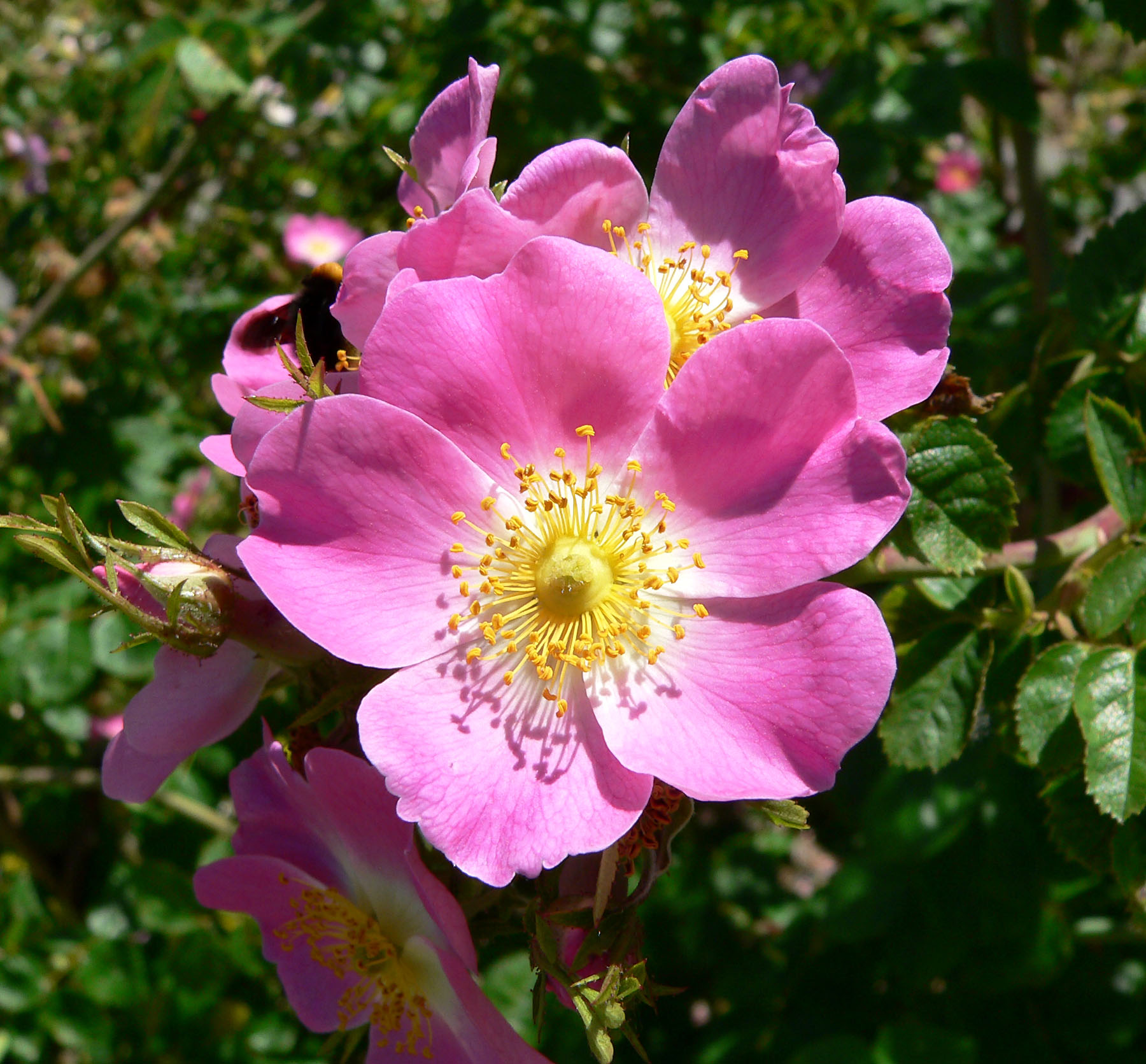
The rose, a member of the genus Rosa within the family Rosaceae, is a woody perennial flowering plant renowned for its exquisite blooms and often intoxicating fragrance. With over 300 wild species and tens of thousands of cultivated varieties, roses exhibit a remarkable diversity in size, form, and color, ranging from diminutive groundcovers to towering climbers. Primarily native to Asia, with significant populations in Europe, North America, and Northwest Africa, roses have been cultivated for millennia, their easy hybridization leading to an astonishing array of garden cultivars. Beyond their aesthetic appeal, roses hold profound cultural significance across numerous societies, symbolizing love, beauty, and passion, and have been integral to art, literature, and perfumery for centuries.
🎵 Origins & History
Evidence suggests cultivation in ancient China, with fossil records indicating roses existed millions of years ago. Deliberate cultivation for ornamental purposes likely began in the East. The introduction of East Asian species to Europe in the 18th and 19th centuries led to the development of hybrid teas and other popular garden varieties by breeders like Jean-Baptiste André Guillot and Henri Guillot.
⚙️ Botanical Breakdown
Botanically, roses are characterized by their woody stems, often armed with sharp prickles (commonly, though inaccurately, called thorns), alternate pinnate leaves, and terminal clusters or solitary flowers. The flowers themselves are typically actinomorphic (radially symmetrical) and possess a double or single corolla composed of petals, sepals, and numerous stamens surrounding a central pistil. The fruit, known as a rose hip, is a accessory fruit containing achenes, which are the true fruits. The genetic plasticity of roses, particularly their ability to hybridize across species, has been a key factor in the vast diversity of cultivars available today, with breeders meticulously selecting for traits like bloom form, color saturation, fragrance intensity, and disease resistance. This complex genetic landscape is studied by botanists at institutions like the Royal Horticultural Society.
📊 Key Facts & Numbers
The Netherlands, Ecuador, and Colombia are leading exporters of cut roses, shipping billions of stems each year. Rosa rugosa is found across vast swathes of East Asia, while Rosa canina (dog rose) is widespread throughout Europe and parts of Asia and Africa.
👥 Key People & Organizations
While no single individual can claim sole ownership of the rose, numerous figures have shaped its cultivation and cultural perception. Joseph Pemberton was instrumental in developing the first hybrid musk roses in the early 20th century. David Austin revolutionized modern rose breeding by creating English Roses, which combine the fragrance and form of old garden roses with the repeat-blooming ability of modern varieties. Organizations like the American Rose Society and the World Federation of Rose Societies play crucial roles in promoting rose cultivation, maintaining varietal registers, and organizing international rose competitions. The International Rose Trials, held annually in various locations, serve as a benchmark for new cultivar development.
🌍 Cultural Impact & Influence
The rose's symbolic weight is immense, deeply embedded in art, literature, and mythology. It is the national flower of England, the United States, and several other countries, and features prominently in the works of poets like William Shakespeare and Robert Burns. In perfumery, rose oil, particularly from Rosa damascena, is a highly prized ingredient, forming the heart of countless iconic fragrances such as Chanel No. 5 and Dior J'adore. The rose's association with love and romance has made it a perennial Valentine's Day staple. Its image has also been adopted by various movements, including the House of Lancaster in the Wars of the Roses and the Peace movement.
⚡ Current State & Latest Developments
The modern rose industry continues to innovate, focusing on sustainability and disease resistance. Breeders are developing roses that require fewer pesticides and less water, appealing to environmentally conscious consumers and commercial growers. The rise of online retail and direct-to-consumer sales has also transformed how roses are purchased, bypassing traditional florists for platforms like The Bouqs Co. and FTD.com. Furthermore, ongoing research into rose genetics, particularly through projects at institutions like the John Innes Centre, aims to unlock new traits and improve breeding efficiency, potentially leading to roses with novel colors, enhanced fragrance, or even medicinal properties. The development of disease-resistant varieties, such as those from Star Roses and Plants, is a key focus for commercial viability.
🤔 Controversies & Debates
Debates surrounding roses often center on nomenclature and classification, with thousands of cultivars sometimes bearing similar names or being misidentified. The ethics of intensive rose breeding, which can sometimes prioritize aesthetics over natural resilience, is another point of contention, leading to a demand for more robust, naturally resistant varieties. The use of pesticides in commercial rose cultivation also raises environmental concerns, prompting a push towards organic and sustainable growing practices. Furthermore, the historical attribution of certain rose types, like the 'Old Garden Roses', can be complex and subject to scholarly debate among horticultural historians.
🔮 Future Outlook & Predictions
The future of roses likely involves further integration of genetic engineering and advanced breeding techniques to create plants with enhanced traits. Expect to see roses with novel colors previously impossible through traditional cross-breeding, improved drought tolerance, and heightened resistance to common diseases like black spot and powdery mildew. The perfumery industry will continue to explore new rose varietals for unique scent profiles, potentially moving beyond traditional Rosa damascena and Rosa centifolia. There's also a growing interest in heritage roses and their preservation, ensuring that historical cultivars are not lost to time, championed by organizations like the American Heritage Roses, Inc..
💡 Practical Applications
Roses are utilized in a multitude of practical applications beyond their ornamental value. Rose hips are rich in Vitamin C and are commonly used to make teas, jams, and supplements, particularly from species like Rosa canina. Rose water, distilled from rose petals, is a staple in Middle Eastern and Indian cuisine, used in desserts and beverages, and also finds application in cosmetics and skincare for its soothing properties. Rose oil is a cornerstone of the luxury fragrance industry, commanding high prices due to the labor-intensive extraction process. Furthermore, roses are employed in landscaping for their visual appeal and ability to stabilize soil on slopes.
Key Facts
- Category
- nature
- Type
- topic