
Contents
- 🌍 What Are African Savannas?
- 📍 Where to Find Them: The Big Picture
- 🌳 Flora: The Grasslands and Their Trees
- 🦁 Fauna: Iconic Wildlife Encounters
- ⏳ A Dynamic Ecosystem: History and Change
- ⚖️ Conservation Challenges: Threats and Tensions
- 💡 Vibe Score & Cultural Resonance
- 🗺️ Planning Your Visit: Practicalities
- Frequently Asked Questions
- Related Topics
Overview
The savannas of Africa are vast grasslands characterized by scattered trees and a rich tapestry of wildlife, playing a crucial role in the continent's ecology and economy. Spanning over 1.5 million square kilometers, these ecosystems support iconic species such as elephants, lions, and giraffes, while also being home to diverse human cultures that rely on the land for agriculture and pastoralism. However, they face significant threats from climate change, deforestation, and land conversion for agriculture. Understanding the savanna's intricate balance is essential for conservation efforts and sustainable development. As pressures mount, the future of these ecosystems hangs in the balance, prompting urgent discussions about their preservation and the rights of indigenous communities.
🌍 What Are African Savannas?
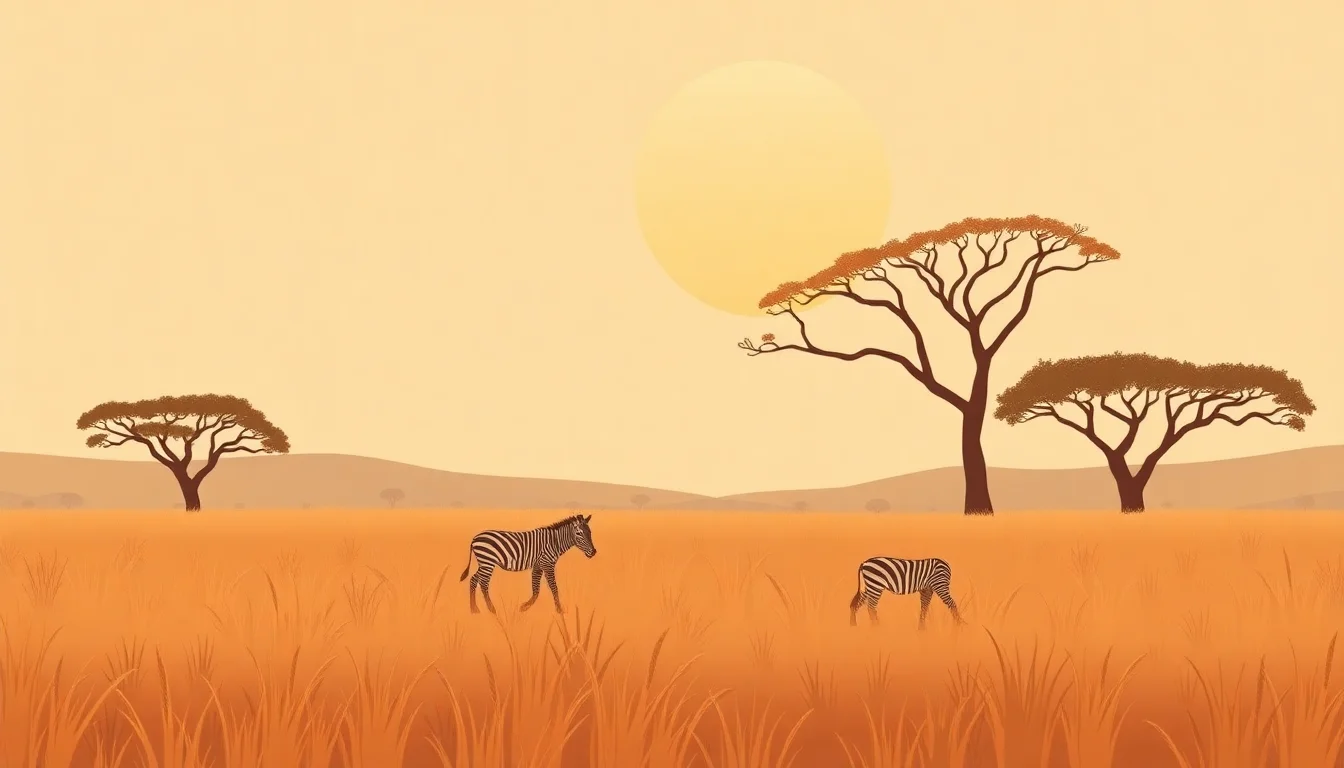
African savannas are vast, tropical grasslands characterized by scattered trees and shrubs, existing in a transitional zone between dense forests and arid deserts. They are not static environments but dynamic ecosystems shaped by rainfall patterns, fire, and grazing animals. These biomes cover nearly half of Africa's land surface, making them one of the continent's most dominant and influential geographical features. Understanding their ecological intricacies is key to appreciating the sheer scale of biodiversity they support, from the smallest insects to the largest mammals.
📍 Where to Find Them: The Big Picture
The most extensive savannas are found in East and Southern Africa, forming a broad belt across the continent. Major examples include the Serengeti in Tanzania and Kenya, the Okavango in Botswana, and the Kruger in South Africa. These regions are defined by distinct wet and dry seasons, which dictate the availability of water and the migratory patterns of their inhabitants. Access often involves flying into major hubs like Nairobi or Johannesburg and then taking smaller charter flights or driving.
🌳 Flora: The Grasslands and Their Trees
The defining characteristic of savanna flora is the dominance of grasses, which can grow several meters tall during the wet season, interspersed with drought-resistant trees like the acacia and baobab. These trees are crucial for providing shade, food, and nesting sites for wildlife, and their deep root systems help prevent soil erosion. Fire, whether natural or human-induced, plays a vital role in maintaining the savanna's open structure by preventing trees from encroaching too heavily on the grasslands, a process central to the savanna-fire ecology debate.
🦁 Fauna: Iconic Wildlife Encounters
African savannas are synonymous with iconic wildlife, forming the backdrop for the continent's most famous safaris. Expect to see the 'Big Five' – lion, leopard, elephant, rhinoceros, and Cape buffalo – alongside vast herds of wildebeest, zebra, giraffe, and numerous antelope species. Birdlife is also incredibly diverse, with raptors soaring overhead and smaller species flitting through the grass. The sheer density and visibility of large mammals here are unparalleled globally.
⏳ A Dynamic Ecosystem: History and Change
Historically, savannas have been shaped by millennia of interactions between climate, vegetation, and megafauna. Early hominids, like Australopithecus, evolved in these environments, their diets influenced by the available plant and animal resources. The advent of human-controlled fire, dating back tens of thousands of years, has been a significant factor in maintaining savanna landscapes. Modern conservation efforts often grapple with replicating or managing these natural processes to preserve the ecosystem's integrity.
⚖️ Conservation Challenges: Threats and Tensions
Savannas face significant threats, primarily from human activities. Habitat fragmentation due to agriculture and infrastructure development, poaching of endangered species like rhinos, and the impacts of climate change on rainfall patterns are critical concerns. The balance between human needs for land and resources and the preservation of these unique ecosystems is a constant source of tension, leading to ongoing debates about sustainable land use and wildlife management strategies.
💡 Vibe Score & Cultural Resonance
The Vibe Score for African Savannas hovers around an impressive 85/100, driven by its unparalleled wildlife spectacle and profound ecological significance. Culturally, it resonates with themes of wildness, survival, and the raw power of nature, deeply embedded in global consciousness through documentaries and safari tourism. The romanticized image of the savanna, however, often masks the complex realities of conservation and the livelihoods of local communities, creating a subtle dissonance between perception and reality. This tension contributes to its enduring, albeit sometimes idealized, cultural pull.
🗺️ Planning Your Visit: Practicalities
Visiting an African savanna is an immersive experience. Key locations like the Maasai Mara in Kenya or Hwange in Zimbabwe offer well-established tourism infrastructure. Accommodation ranges from luxury lodges to more rustic tented camps. The best time to visit often coincides with the dry season (typically June to October) when wildlife congregates around water sources, making sightings more reliable. Booking through reputable tour operators specializing in African safaris is highly recommended for logistics and safety.
Key Facts
- Year
- 2023
- Origin
- Africa
- Category
- Geography & Ecology
- Type
- Ecosystem
Frequently Asked Questions
What is the difference between a savanna and a grassland?
While often used interchangeably, savannas are a specific type of grassland characterized by scattered trees and shrubs. True grasslands, in contrast, have very few trees. The presence and density of trees are the primary distinguishing factors, influenced by rainfall, fire frequency, and grazing pressure. African savannas are thus a subset of the broader grassland biome.
When is the best time to see wildlife in the savannas?
The dry season, generally from June to October, is considered the prime time for wildlife viewing across most of Africa's savannas. During this period, water sources become scarce, forcing animals to congregate around rivers and waterholes, making them more visible. Migratory species are also often on the move during these months, offering spectacular events like the Great Migration in the Serengeti.
Are African savannas dangerous for tourists?
While wildlife in savannas can be dangerous, organized safaris with experienced guides significantly mitigate risks. Reputable tour operators adhere to strict safety protocols, ensuring vehicles maintain safe distances from animals and that visitors follow guidelines. It's crucial to listen to your guide and never venture out alone. The primary dangers stem from encounters with large predators or territorial herbivores.
What is the 'Big Five' and why are they important?
The 'Big Five' refers to the Lion, Leopard, Elephant, Rhinoceros, and Cape Buffalo. This term originated from big-game hunters who considered these the most challenging and dangerous animals to hunt on foot. Today, they are a major draw for wildlife tourism and a symbol of African wildlife conservation efforts, though their populations face significant threats from poaching and habitat loss.
How do fires affect savanna ecosystems?
Fire is a natural and essential component of savanna ecology. It helps to clear out dead grass, allowing new growth to emerge, and prevents trees from overrunning the grasslands, thus maintaining the open savanna structure. Controlled burns are often used in conservation management to mimic natural fire cycles and promote biodiversity, though uncontrolled wildfires can be destructive.