
Contents
Overview
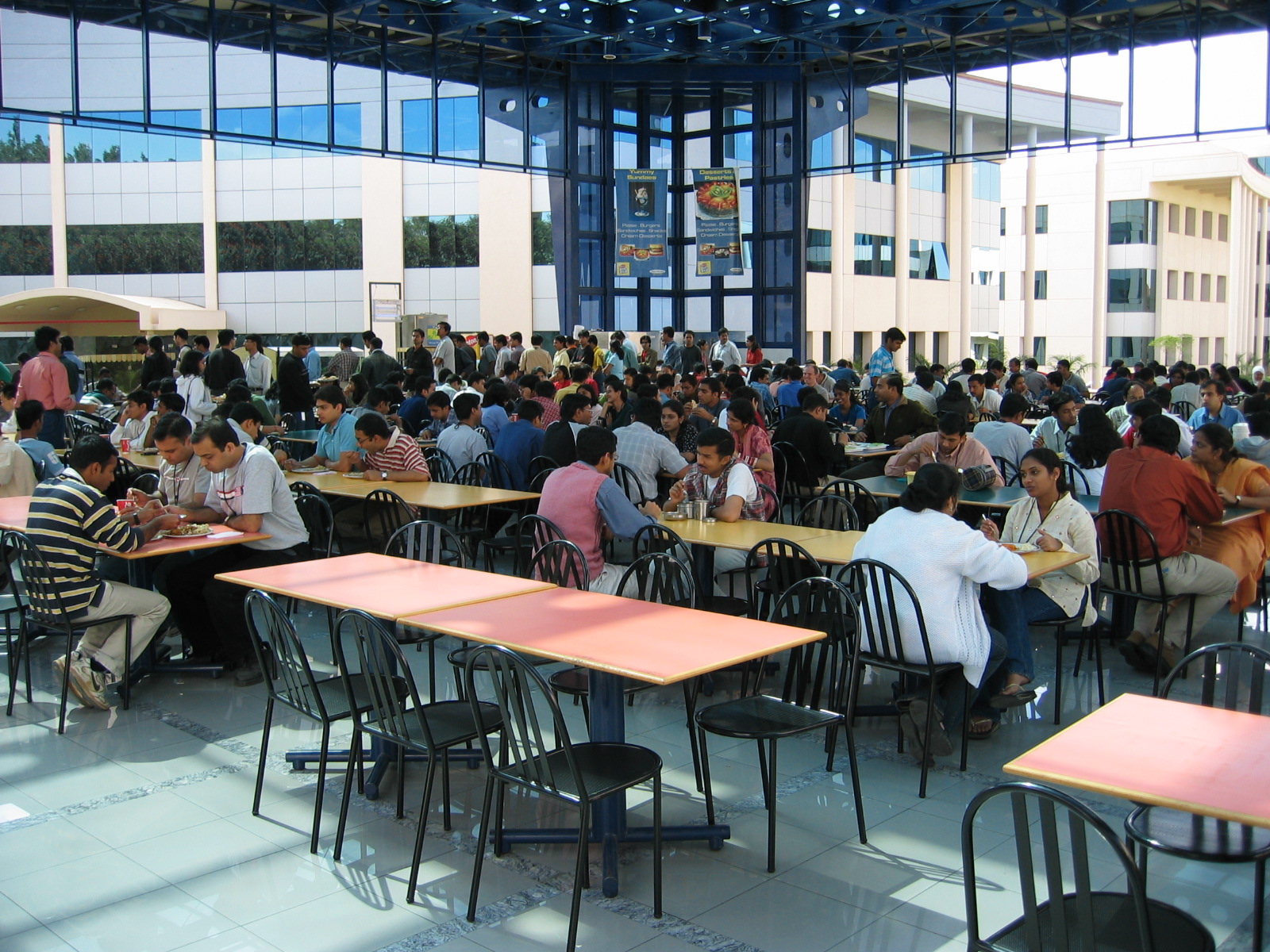
School cafeterias, often called canteens outside North America, are institutional dining halls designed to feed large numbers of students efficiently. Originating from the need for organized meal provision in educational settings, they have evolved from simple soup kitchens to complex operations grappling with nutritional guidelines, budget constraints, and student preferences. These spaces are more than just places to eat; they are vibrant social hubs where friendships are forged, cliques form, and the daily culinary offerings can dictate the mood of an entire student body. From the infamous mystery meat to the occasional gourmet surprise, the school cafeteria remains a potent symbol of childhood and adolescence, reflecting broader societal trends in food, health, and education. With an estimated 50 million students in the United States alone relying on school meal programs, their impact on public health and student well-being is substantial, making their design, menus, and operational efficiency critical areas of focus for educators and policymakers alike.
🎵 Origins & History
The concept of providing organized meals within educational institutions predates the modern school cafeteria, with monastic refectories and early boarding schools offering communal dining. Early iterations often focused on providing basic sustenance, particularly for impoverished students, with organizations like the American School Food Service Association (now the School Nutrition Association) emerging to advocate for improved standards. The post-World War II era saw a significant expansion of school lunch programs, fueled by government initiatives aimed at improving child nutrition and utilizing surplus agricultural products, transforming the cafeteria from a charitable afterthought into a standardized component of the educational infrastructure. The introduction of the National School Lunch Act in the United States in 1946, for instance, cemented the federal government's role in subsidizing school meals, fundamentally reshaping the landscape of institutional dining for millions of students across the nation.
⚙️ How It Works
The operational mechanics of a school cafeteria are a finely tuned, albeit often chaotic, ballet of logistics and human behavior. Students typically navigate a serving line, selecting items from various stations – hot entrees, salads, sandwiches, fruits, and beverages – placing them on a tray. Payment is usually handled via a pre-paid account, cash, or a swipe card system, with many programs offering free or reduced-price meals based on household income. Behind the scenes, kitchen staff prepare meals in bulk, adhering to strict nutritional guidelines set by governmental bodies like the United States Department of Agriculture (USDA) for programs like the National School Lunch Program. Inventory management, food safety protocols, and efficient waste reduction are critical components, all managed within tight budgetary and time constraints, often with only a 30-45 minute lunch period for students to complete their meal and socialize.
📊 Key Facts & Numbers
Globally, school cafeterias serve an astonishing number of meals daily. In the United States, the National School Lunch Program (NSLP) alone provided approximately 4.9 billion lunches in the 2022 fiscal year, serving an average of 30.5 million children per day. The average cost of a reimbursable lunch in U.S. public schools can range from $3.50 to $5.00, though students eligible for free or reduced-price meals pay significantly less or nothing. Globally, estimates suggest that over 300 million children worldwide participate in school feeding programs, with significant variations in funding, menu quality, and nutritional impact. For example, the World Food Programme supports school feeding initiatives in over 60 countries, reaching millions of children annually and often serving as a critical source of daily nutrition for those in low-income regions.
👥 Key People & Organizations
Key figures in the evolution of school cafeterias include individuals who championed child nutrition and institutional food service. Clara Davis, a pediatrician, pioneered early efforts in the 1920s to demonstrate the positive health impacts of nutritious diets on children, laying groundwork for later nutritional science in schools. Katharine Gibbs, founder of the Katharine Gibbs School, while primarily known for secretarial training, also influenced institutional food service standards through her emphasis on quality and organization. Organizations like the School Nutrition Association and the Food Research & Action Center (FRAC) are pivotal in advocating for policy changes, research, and best practices in school nutrition programs. Government agencies such as the United States Department of Agriculture (USDA) play a crucial role in setting nutritional standards and administering federal funding for programs like the National School Lunch Program and School Breakfast Program.
🌍 Cultural Impact & Influence
The school cafeteria is a potent cultural artifact, deeply embedded in the collective memory of generations. It's the setting for formative social experiences: the awkward first dates, the formation of lifelong friendships over shared trays, and the establishment of social hierarchies based on lunch table seating. The food itself often becomes legendary, spawning inside jokes and nostalgic recollections of everything from "mystery meat" Mondays to the coveted pizza Fridays. Beyond personal memory, school cafeterias have influenced broader food culture, introducing students to diverse cuisines (or a distinct lack thereof) and shaping early perceptions of healthy eating. The visual design of cafeterias, from the utilitarian linoleum floors to the brightly colored tables, has also contributed to the aesthetic of institutional spaces, influencing everything from hospital waiting rooms to corporate break areas, creating a distinct institutional aesthetic.
⚡ Current State & Latest Developments
Current developments in school cafeterias are largely driven by evolving nutritional science, federal policy, and student demand. Many districts are actively working to increase the availability of fresh fruits, vegetables, and whole grains, while reducing processed foods, added sugars, and sodium, in line with guidelines like the USDA's Smart Snacks in School standards. The rise of farm-to-school programs, connecting local agricultural producers with school cafeterias, is gaining momentum, aiming to provide fresher, healthier options and support local economies. Furthermore, technology is playing an increasing role, with digital menu boards, online ordering systems, and data analytics being used to manage inventory, track student preferences, and improve operational efficiency. The ongoing debate around plant-based options and allergen-free meals also reflects a growing awareness of diverse dietary needs and preferences among student populations.
🤔 Controversies & Debates
The controversies surrounding school cafeterias are as varied as the menus themselves. A perennial debate centers on the nutritional quality of school meals versus the cost and practicality of providing healthier options. Critics often point to the prevalence of processed foods, high sodium content, and limited fresh produce in many cafeterias, arguing that they contribute to childhood obesity and poor dietary habits. Conversely, school nutrition professionals often highlight budget constraints, the challenge of appealing to picky eaters, and the logistical complexities of preparing fresh meals for thousands of students daily. Another point of contention is the role of the food industry in school environments, with concerns raised about the marketing of unhealthy snacks and beverages on school grounds. The privatization of school food services also sparks debate, with arguments about accountability, quality control, and the potential for profit motives to override nutritional goals.
🔮 Future Outlook & Predictions
The future of school cafeterias is likely to be shaped by a confluence of technological advancements, public health imperatives, and evolving pedagogical philosophies. Expect to see a continued push towards more plant-based and culturally diverse menu options, catering to a wider range of dietary needs and preferences, potentially integrated with plant-forward initiatives. Innovations in food technology, such as advanced food preparation equipment and AI-driven menu planning, could further optimize efficiency and nutritional content. Furthermore, the cafeteria space itself may transform, moving beyond utilitarian dining halls to become more dynamic, flexible learning environments that integrate nutrition education and culinary arts. The growing emphasis on sustainability will likely drive efforts to reduce food waste, source local ingredients, and implement composting programs, making the school cafeteria a microcosm of broader societal shifts towards responsible consumption. The ultimate goal remains to nourish students not just physically, but also educationally, fostering lifelong healthy eating habits.
💡 Practical Applications
School cafeterias serve as practical laboratories for a range of educational objectives. They are primary sites for
Key Facts
- Category
- culture
- Type
- topic