
Contents
Overview
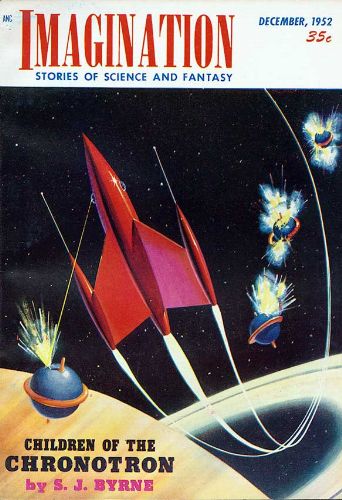
The genesis of science fiction illustration is inextricably linked to the rise of speculative fiction magazines in the early 20th century. Publications like Amazing Stories, launched in 1926 by Hugo Gernsback, were pivotal, featuring vibrant, often lurid, cover art that promised adventure among the stars and within the atom. Artists like Frank R. Paul, often dubbed the 'father of science fiction art,' established the visual tropes: rocket ships, ray guns, bug-eyed aliens, and gleaming metallic cities. These early works, characterized by a sense of wonder and sometimes naive optimism, laid the groundwork for a visual language that would define the genre for decades. Precursors can be found in earlier speculative art, such as the visionary cityscapes of Fritz Lang's film Metropolis (1927) and the fantastical illustrations of Jules Verne's novels, but it was the pulp magazines that created a dedicated market and distinct style for science fiction imagery. The post-war era saw a shift towards more sophisticated and varied styles, with artists like Chris Foss and Peter Elson bringing a new level of detail and realism to spacecraft and alien landscapes, particularly on book covers for publishers like Ace Books and Del Rey Books.
⚙️ How It Works
Science fiction illustration operates by translating complex narrative and conceptual elements into visual form. At its core, it involves conceptualization, sketching, and rendering, often employing a blend of traditional and digital techniques. Traditional methods might include pencil and ink for initial designs, followed by painting with oils, acrylics, or airbrush for finished pieces, as exemplified by artists like Chris Moore. The digital revolution, however, has transformed the field, with software like Adobe Photoshop, Procreate, and Blender becoming standard tools. Digital artists can rapidly iterate on designs, create photorealistic textures, and achieve complex lighting effects that were once prohibitively time-consuming. The process often begins with a script or brief, leading to thumbnail sketches, detailed concept art, and finally, polished illustrations for publication, film, or games. This involves a deep understanding of perspective, anatomy (human and alien), mechanical design, architectural principles, and the physics of light and shadow, all applied to speculative subjects. The goal is not just to depict, but to evoke a specific mood, convey information about the world, and spark the viewer's imagination about the depicted reality.
📊 Key Facts & Numbers
The science fiction illustration market is substantial. A single blockbuster film like Dune (2021) might employ dozens of concept artists. The number of active freelance sci-fi illustrators worldwide is estimated to be in the tens of thousands, with many more working in-house for studios.
👥 Key People & Organizations
Numerous artists and organizations have shaped science fiction illustration. Syd Mead is legendary for his iconic designs for films like Blade Runner (1982), Tron (1982), and Aliens (1986), defining the aesthetic of futuristic urbanism and advanced vehicles. H.R. Giger's biomechanical horror designs for Alien (1979) created a unique and disturbing visual niche. Ralph McQuarrie's early concept art for Star Wars (1977) was instrumental in bringing George Lucas's vision to life, establishing the look of iconic characters and worlds. Organizations like the Society of Illustrators provide platforms and recognition for artists, while online communities such as ArtStation and DeviantArt serve as crucial hubs for discovery and networking. Major film studios like Lucasfilm and Pixar have dedicated concept art departments that are powerhouses of sci-fi visualization. The Spectrum Awards annually recognize outstanding achievements in speculative art.
🌍 Cultural Impact & Influence
Science fiction illustration has profoundly shaped popular culture's perception of the future. It provided the visual blueprint for space travel, alien encounters, and advanced technologies long before they became reality, influencing public imagination and even inspiring actual scientific endeavors. The sleek, functional designs of Star Trek starships, for instance, have been cited as influences by aerospace engineers. The dystopian cityscapes envisioned by artists like Moebius (Jean Giraud) in works like The Incal have permeated visual culture, appearing in countless films, comics, and video games. Concept art from films like The Matrix (1999) has defined cyberpunk aesthetics for a generation. Beyond direct visual influence, sci-fi illustration fuels public interest in science and technology, making abstract concepts more accessible and exciting. It has also become a significant driver for the video game industry, where immersive visual worlds are paramount to player engagement.
⚡ Current State & Latest Developments
The current landscape of science fiction illustration is dominated by digital tools and a demand for hyperrealism and intricate detail, particularly in the film and video game industries. Artists are increasingly using Unreal Engine and Unity for real-time rendering and virtual production, blurring the lines between illustration and interactive experience. AI-powered art generation tools like Midjourney and Stable Diffusion have emerged as both powerful assistants and sources of controversy, enabling rapid ideation but also raising questions about authorship and originality. There's a growing trend towards 'worldbuilding' as a holistic process, where illustrators collaborate closely with writers and designers from the earliest stages of development. Furthermore, independent creators and smaller studios are leveraging digital platforms to produce and distribute their own sci-fi narratives, often with unique visual styles that challenge mainstream aesthetics. The demand for diverse and inclusive future visions is also increasing, pushing artists to represent a broader spectrum of humanity and alien life.
🤔 Controversies & Debates
The rise of AI art generators has sparked significant debate within the science fiction illustration community. Critics argue that these tools, trained on vast datasets of existing art without explicit artist consent, devalue human creativity and threaten livelihoods, leading to calls for ethical AI development and copyright reform. Another ongoing discussion revolves around the definition of 'hard' vs. 'soft' science fiction illustration: should visuals prioritize scientific plausibility and technical accuracy, or focus on thematic resonance and emotional impact? The commercial pressures of the entertainment industry also lead to debates about artistic integrity versus marketability, with some artists feeling compelled to conform to popular trends rather than pursue innovative visions. Furthermore, the historical underrepresentation of women and minori
🔮 Future Outlook & Predictions
The future of science fiction illustration is likely to be shaped by continued advancements in digital technology, including more sophisticated AI tools, real-time rendering engines, and immersive virtual reality platforms. Artists will likely play an even greater role in interactive storytelling and the creation of persistent virtual worlds. There is also a growing anticipation for more diverse and globally-influenced aesthetics, moving beyond traditional Western-centric visions of the future. As humanity confronts complex challenges like climate change and artificial intelligence, science fiction illustration will remain a critical medium for exploring potential futures, both utopian and dystopian, and for fostering dialogue about the kind of world we wish to create.
💡 Practical Applications
Science fiction illustration has direct practical applications in numerous fields beyond entertainment. It is essential for architectural visualization, allowing designers to present futuristic building concepts. In product design, it helps conceptualize innovative gadgets and vehicles. Scientific research also benefits, with illustrators creating visualizations of complex data, theoretical celestial bodies, or microscopic worlds. Furthermore, it plays a role in educational materials, making abstract scientific concepts more accessible and engaging for students. The development of virtual and augmented reality experiences heavily relies on the skills of sci-fi illustrators to create believable and compelling digital environments.
Key Facts
- Category
- aesthetics
- Type
- topic