
Contents
Overview
The concept of Shabbat, or the Sabbath, finds its earliest roots in the biblical narrative of creation. This divine precedent was later codified as a commandment for the Israelites, notably in the Ten Commandments, which states, "Remember the Sabbath day, to keep it holy." The Torah further elaborates on the prohibition of work, framing Shabbat not just as a day of rest but as a symbol of freedom and sovereignty. Early rabbinic literature, particularly the Mishnah, began to meticulously define the boundaries of "work" prohibited on Shabbat, a process that continued through the Talmud and subsequent Halakhic authorities, shaping its observance for over two millennia.
⚙️ How It Works
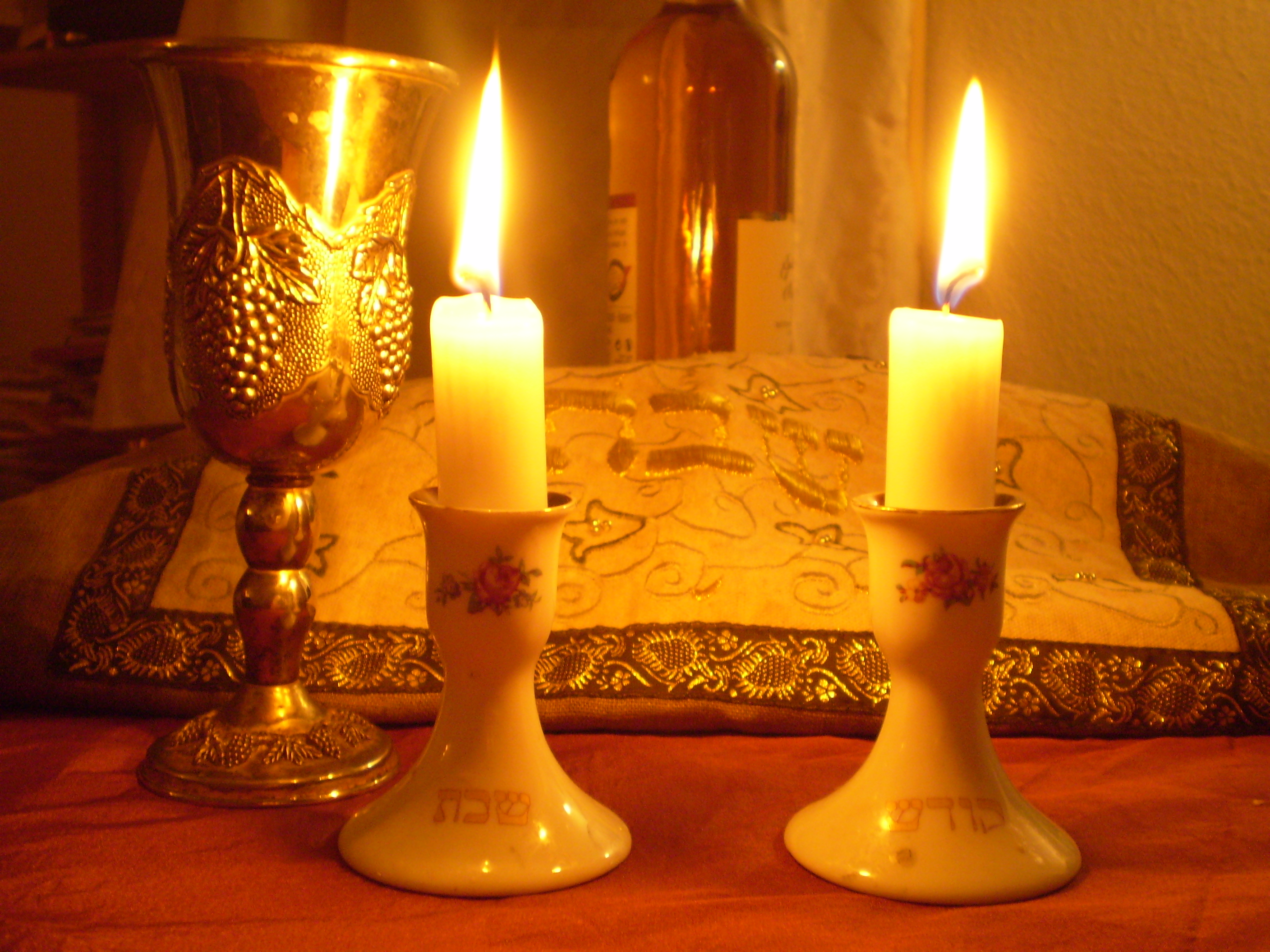
Shabbat observance is meticulously structured, beginning on Friday evening at sunset and concluding at nightfall on Saturday. The core principle is abstaining from 39 categories of "melacha" (creative work), as defined in rabbinic tradition, which are understood as activities involved in the construction of the Tabernacle in the desert. This includes prohibitions against activities like lighting fires (hence the common practice of pre-lighting candles and avoiding electrical switches), writing, building, and cooking. Instead, the day is dedicated to rest, prayer, study of Jewish texts, communal meals, and spending time with family. Specific rituals mark the transition into and out of Shabbat, such as the lighting of Shabbat candles by women, the Kiddush (sanctification) over wine, and the Havdalah ceremony, which separates the holy day from the mundane week using wine, spices, and a braided candle. The observance is a holistic experience, engaging the body, mind, and spirit in a deliberate pause from the week's demands.
📊 Key Facts & Numbers
Observance typically involves refraining from using electricity. The average Shabbat meal can involve 3-5 dishes, with families often gathering for at least two such meals. Synagogue attendance sees a significant weekly spike, with estimates suggesting that over 50% of religiously affiliated Jews attend services on a typical Shabbat. The economic impact of Shabbat is also notable; businesses in heavily Jewish populated areas, such as Borough Park or Jerusalem, often close for approximately 25 hours each week, representing a significant portion of potential commerce. The global Jewish population, estimated at around 15.7 million in 2023, provides the demographic base for these practices.
👥 Key People & Organizations
While no single individual "founded" Shabbat, its observance is intrinsically linked to Jewish religious leaders and institutions throughout history. Key figures include Moses, who received the commandment on Mount Sinai; the Prophets, who often admonished the people for neglecting Shabbat observance; and the Tannaim and Amoraim, who compiled the Mishnah and Talmud, respectively, thereby codifying its laws. Modern Jewish movements, such as Orthodox Judaism, Conservative Judaism, and Reform Judaism, each interpret and practice Shabbat differently, with organizations like the Rabbinical Assembly (Conservative) and the Union for Reform Judaism (Reform) providing guidance to their congregations. The Chabad-Lubavitch movement, in particular, has been instrumental in promoting Shabbat observance globally through its network of emissaries and centers.
🌍 Cultural Impact & Influence
Shabbat's influence extends far beyond the Jewish community, shaping the concept of a weekly day of rest that has been adopted or adapted by numerous cultures and religions. The Christian observance of Sunday as the Sabbath, while distinct in its theological underpinnings and origin (often linked to the resurrection of Jesus), shares the fundamental idea of a weekly day of rest and worship. The Islamic practice of Jumu'ah (Friday congregational prayer) also reflects a weekly focal point for communal religious life. Philosophically, Shabbat has contributed to discussions on the value of "time out" from productivity, influencing secular concepts of work-life balance and the weekend. Its emphasis on community and shared experience has also inspired social gatherings and traditions in secular contexts, demonstrating its deep-seated impact on the rhythm of human life.
⚡ Current State & Latest Developments
In contemporary society, Shabbat observance continues to be a vibrant and evolving practice. Jewish communities worldwide actively engage in Shabbat programming, from communal meals and study groups to interfaith dialogues about the meaning of rest. The rise of digital Shabbat resources, including online Siddurim (prayer books) and Shabbat guides, has made observance more accessible. However, challenges persist, particularly for Jews living in secular environments or those in demanding professions. The Chabad movement's global outreach continues to expand, with new centers opening annually to support Shabbat observance. Innovations like "Shabbat dinners" organized by Hillel International on university campuses aim to connect young Jews with their heritage, ensuring the tradition's continuity. The ongoing debate about the application of Shabbat laws to modern technology, especially smartphones, remains a dynamic area of discussion within many communities.
🤔 Controversies & Debates
The most significant controversy surrounding Shabbat revolves around its application in the modern, technologically driven world. For some, particularly within Orthodox Judaism, the strict prohibition of using electricity and operating machinery is paramount, leading to debates about how to navigate a society heavily reliant on these technologies. This includes discussions on whether certain modern conveniences, like smartphones or even electric lights in synagogues, are permissible. Conversely, Reform Judaism and Reconstructionist Judaism often interpret the prohibitions more broadly, focusing on the spirit of rest and community rather than a literal adherence to ancient definitions of "work." Another point of contention can arise in mixed-denomination settings or interfaith families, where differing levels of observance can create practical challenges and require sensitive negotiation. The very definition of "rest" in the 21st century, especially in relation to intellectual or creative pursuits, is also a subject of ongoing discussion.
🔮 Future Outlook & Predictions
The future of Shabbat observance will likely be shaped by ongoing technological advancements and evolving societal norms. As artificial intelligence and automation become more prevalent, rabbinic authorities may face new challenges in defining "creative work" and its prohibition. There is a growing trend towards "Shabbat experiences" that emphasize communal gathering and mindfulness, potentially attracting individuals who might not adhere to strict Halakhic observance but are seeking a meaningful weekly pause. The increasing interconnectedness of the global Jewish community through digital platforms could foster greater sharing of Shabbat traditions and innovations. Furthermore, as discussions around mental health and burnout gain prominence, the ancient practice of Shabbat may find renewed relevance as a model for sustainable living and well-being, potentially influencing secular approaches to rest and recovery. The adaptability shown by Jewish communities over centuries suggests Shabbat will continue to evolve.
💡 Practical Applications
Shabbat has numerous practical applications that extend beyond its religious observance. For individuals, it offers a structured opportunity for digital detox, reducing screen time and fostering deeper interpersonal connections. It provides a weekly rhythm that can enhance mental well-being by mandating a break from work and daily pressures. Communally,
Key Facts
- Category
- culture
- Type
- topic