
Contents
Overview
The Sherpa people are a Tibeto-Burman ethnic group indigenous to the high-altitude regions of the Himalayas, primarily in Nepal, with significant populations also found in India, Bhutan, and the Tibetan Autonomous Region of China. Their name, derived from Standard Tibetan 'shar pa' meaning 'easterner,' reflects their historical migration patterns. Renowned for their extraordinary physiological adaptations to extreme altitudes and their deep cultural connection to Tibetan Buddhism, Sherpas have become globally recognized for their indispensable role in Himalayan mountaineering. With a distinct language, unique traditions, and a network of monasteries known as gompas, they maintain a vibrant cultural identity shaped by their challenging environment. The Sherpa population is estimated to be around 520,000 individuals, a testament to their enduring presence in one of the world's most formidable landscapes.
🎵 Origins & History
The Sherpa people trace their origins to eastern Tibet, migrating to the Himalayan regions of Nepal over centuries, likely beginning around the 15th century. These migrations were driven by a combination of factors, including political instability in Tibet and the search for fertile agricultural land. Early Sherpa settlers established communities in the high valleys of eastern Nepal, such as the Solu-Khumbu region, which would become their cultural heartland. Over time, they developed a unique identity, distinct from other Tibetan groups, shaped by their adaptation to the extreme altitudes and their integration of Tibetan Buddhist practices with local animistic beliefs. The establishment of monasteries, or gompas, like Tengboche, solidified their religious and social structures, serving as centers of spiritual life and community gathering.
⚙️ Language & Culture
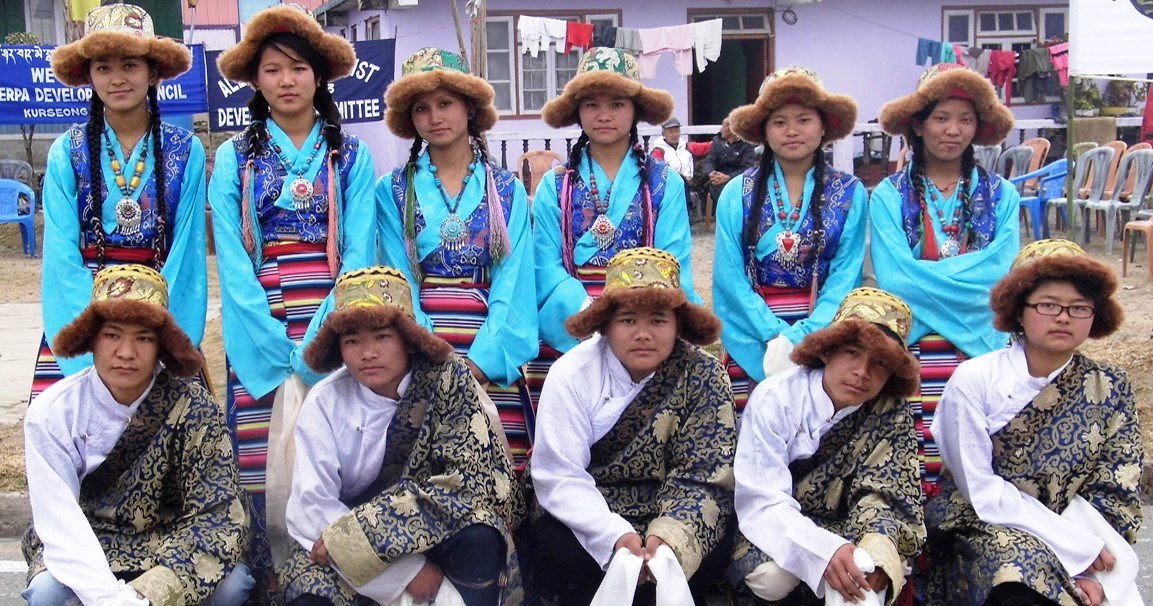
The Sherpa language, a member of the Tibeto-Burman language family, is characterized by its divergence from standard Lhasa Tibetan, incorporating elements of Khams Tibetan and local dialects, rendering it largely unintelligible to speakers of central Tibetan. Culturally, Sherpas are devout followers of Tibetan Buddhism, evident in their numerous monasteries (gompas) and vibrant religious festivals. Traditional Sherpa society is organized around family and village structures, with a strong emphasis on community cooperation, particularly vital for survival in their challenging environment. Their traditional attire often features distinctive woolen garments and turquoise jewelry, reflecting both practicality and aesthetic sensibilities. The Sherpa worldview is deeply intertwined with the spiritual significance of the mountains, which they often regard as sacred deities.
📊 Key Facts & Numbers
The global Sherpa population is estimated at approximately 520,000 individuals. The majority reside in Nepal, with significant communities in the Bagmati and Koshi provinces, particularly in districts like Solukhumbu. Smaller populations are found in India (Sikkim, West Bengal), Bhutan, and the Tibetan Autonomous Region of China. Sherpas typically inhabit altitudes ranging from 3,000 to 5,000 meters (9,800 to 16,400 feet). Their physiological adaptations to high altitude are remarkable, with studies indicating higher lung capacity and increased red blood cell production compared to lowlanders. The average Sherpa family size is around 4-6 members, and their traditional economy was historically based on agriculture and trade across mountain passes.
👥 Key Figures & Organizations
While the Sherpa people as a collective are the primary 'key figures,' certain individuals have risen to international prominence. Tenzing Norgay, a Sherpa mountaineer, alongside Edmund Hillary, was one of the first two individuals confirmed to have reached the summit of Mount Everest on May 29, 1953. Other notable Sherpa climbers include Apa Sherpa, who has summited Everest 21 times, and Phurba Tashi Sherpa, who has reached the summit 20 times. Organizations like the Himalayan Trust, founded by Edmund Hillary, have played a significant role in supporting Sherpa communities through education and healthcare initiatives. The Nepal Mountaineering Association also advocates for the rights and welfare of Sherpa guides and porters.
🌍 Cultural Impact & Influence
The Sherpa people's cultural impact is most profoundly felt in the realm of mountaineering. Their unparalleled expertise in navigating the treacherous terrain of the Himalayas, particularly Mount Everest, has made them indispensable to global expeditions. Their physiological adaptations and deep knowledge of the mountains have enabled countless ascents by international climbers, solidifying their reputation as the world's premier high-altitude guides. Beyond mountaineering, Sherpa culture has influenced global perceptions of resilience, spirituality, and the human capacity to thrive in extreme environments. Their distinct Buddhist traditions and community structures offer a compelling case study in cultural adaptation and preservation.
⚡ Modern Sherpa Life
In contemporary times, many Sherpas continue their traditional roles as guides and porters in the burgeoning adventure tourism industry, particularly in Nepal. However, there is a growing movement among younger generations to pursue education and diversify their career paths beyond mountaineering, seeking opportunities in fields like hospitality, business, and technology. While tourism remains a vital economic driver, there is an increasing focus on sustainable tourism practices and ensuring fair wages and working conditions for Sherpa guides. Many Sherpa communities are also actively engaged in preserving their cultural heritage through language revitalization programs and the maintenance of their monasteries and traditions.
🤔 Controversies & Debates
The role of Sherpas in mountaineering is not without its controversies. Debates often arise concerning the safety and working conditions of Sherpa guides, particularly in the wake of high-fatality climbing seasons on Everest, such as the 2014 avalanche and the 2015 earthquake. Critics point to the inherent risks they undertake, often for relatively low pay compared to their international clients, and the ethical implications of the commercialization of Everest. There are ongoing discussions about the equitable distribution of wealth generated by mountaineering tourism and the need for greater representation of Sherpas in decision-making processes within expedition companies and mountaineering organizations. The balance between preserving Sherpa culture and the demands of the global adventure industry remains a persistent tension.
🔮 Future Outlook
The future for the Sherpa people is likely to be shaped by a complex interplay of tradition and modernity. As climate change increasingly impacts the Himalayas, affecting glacial melt and weather patterns, Sherpas will continue to be at the forefront of adapting to these environmental shifts. The diversification of economic opportunities beyond mountaineering is expected to grow, with a greater emphasis on education and entrepreneurship among younger Sherpas. Efforts to preserve their unique language and cultural heritage will likely intensify, ensuring that their distinct identity thrives amidst globalization. The sustainability of Himalayan tourism and the equitable treatment of Sherpa guides will remain critical factors in their long-term well-being and cultural continuity.
💡 Role in Mountaineering
The Sherpa people are inextricably linked to the history and practice of Himalayan mountaineering. Their exceptional physical adaptations to high altitudes, including increased lung capacity and efficient oxygen utilization, make them ideally suited for guiding and supporting expeditions. They possess an intimate knowledge of the treacherous routes, weather patterns, and survival techniques necessary for ascending peaks like K2 and Annapurna I. Sherpa guides often carry heavy loads, fix ropes, and establish camps, performing critical tasks that enable climbers to reach summits. Their role has evolved from traditional subsistence living to becoming highly skilled professionals in the global expedition industry, with many Sherpas achieving multiple ascents of the world's highest mountains.
Key Facts
- Year
- c. 15th century onwards (migration)
- Origin
- Eastern Tibet / Himalayas
- Category
- culture
- Type
- topic
Frequently Asked Questions
What does the name 'Sherpa' mean?
The name 'Sherpa' originates from Standard Tibetan, meaning 'shar pa,' which translates to 'easterner.' This reflects their historical migration from eastern Tibet into the Himalayan regions of Nepal. The term has become globally synonymous with high-altitude guides due to their unparalleled expertise in the mountains.
How are Sherpas physically adapted to high altitudes?
Sherpas possess remarkable physiological adaptations for high-altitude living. Studies by researchers like Cynthia Beall have shown they often have higher lung capacities, increased resting heart rates, and more efficient oxygen transport in their blood, allowing them to thrive in environments where others struggle to breathe. Their bodies have evolved over centuries to better utilize the limited oxygen available at extreme elevations.
What is the cultural significance of monasteries (gompas) for the Sherpa people?
Monasteries, known as gompas, are central to Sherpa cultural and spiritual life. They serve as places of worship, meditation, and community gathering, preserving Tibetan Buddhist traditions. Gompas like Tengboche in the Solu-Khumbu region are not only religious centers but also vital social hubs that help maintain cultural identity and continuity, hosting important festivals and ceremonies.
What are the main challenges facing Sherpa communities today?
Sherpa communities face several challenges, including the inherent dangers of mountaineering, the impacts of climate change on glaciers and weather patterns, and the need to balance cultural preservation with economic development. There are also ongoing debates about fair wages, working conditions, and equitable benefit-sharing from the lucrative Himalayan tourism industry, particularly concerning the risks undertaken by Sherpa guides.
Are all Sherpas involved in mountaineering?
While Sherpas are globally renowned for their role in mountaineering, not all Sherpas are guides or porters. Many Sherpas are engaged in other professions, including agriculture, trade, hospitality, and increasingly, in fields requiring higher education. However, mountaineering and tourism remain significant economic pillars for many Sherpa communities, providing vital income and employment opportunities.
How can one respectfully engage with Sherpa culture?
Respectful engagement with Sherpa culture involves understanding and appreciating their traditions, particularly their Buddhist faith and their deep connection to the mountains. Learning a few basic phrases in the Sherpa language, dressing modestly, asking permission before taking photographs, and being mindful of local customs are important. Supporting local businesses and ensuring fair compensation when hiring guides or purchasing goods also demonstrates respect for their community and livelihood.
What is the future outlook for Sherpa culture in the face of globalization?
The future outlook for Sherpa culture involves navigating the complexities of globalization while striving to maintain their unique identity. Younger generations are increasingly pursuing education and diverse career paths, which may lead to shifts in traditional practices. However, there is also a strong commitment to preserving their language, religious heritage, and cultural practices through community initiatives and educational programs, aiming for a future where tradition and modernity coexist.