
Contents
- 🎵 Origins & History
- ⚙️ How It Works
- 📊 Key Facts & Numbers
- 👥 Key People & Organizations
- 🌍 Cultural Impact & Influence
- ⚡ Current State & Latest Developments
- 🤔 Controversies & Debates
- 🔮 Future Outlook & Predictions
- 💡 Practical Applications
- 📚 Related Topics & Deeper Reading
- Frequently Asked Questions
- References
- Related Topics
Overview
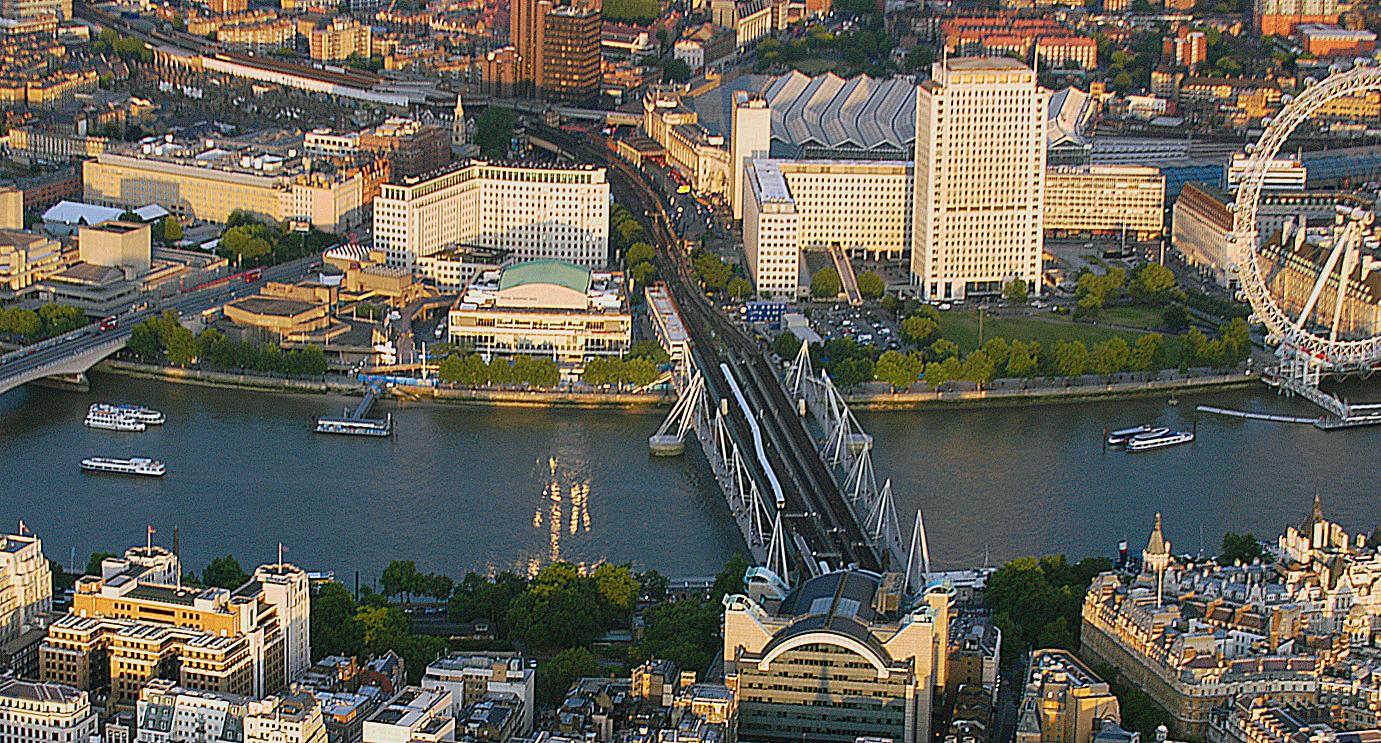
The Southbank Centre stands as the United Kingdom's largest arts center, a sprawling complex nestled on the south bank of the River Thames in London. Established in 1951, it is a charitable organization renowned for its distinctive Brutalist architecture and its commitment to presenting a diverse program of music, dance, literature, and visual arts. Comprising iconic venues like the Royal Festival Hall, Queen Elizabeth Hall, Purcell Room, and the Hayward Gallery, the Centre attracts millions of visitors annually, hosting approximately 5,000 performances and numerous exhibitions each year. Its cultural significance extends beyond its physical footprint, influencing the artistic landscape of the UK and serving as a vital hub for both established and emerging talent.
🎵 Origins & History
The Southbank Centre's genesis traces back to the Festival of Britain in 1951, an event designed to uplift the national spirit after World War II. The Royal Festival Hall, the first purpose-built post-war concert hall in the UK, was the sole permanent structure from the festival, opening its doors on May 3, 1951. Initially managed by the London County Council, the site gradually expanded over the subsequent decades. The Queen Elizabeth Hall and Purcell Room were added in 1967, followed by the Hayward Gallery in 1968, solidifying the complex as a major cultural destination. This expansion reflected a post-war vision for public access to arts, a stark contrast to the destruction that had ravaged much of London.
⚙️ How It Works
Operating as a registered charity, the Southbank Centre functions as a multi-venue arts complex, programming and managing its various spaces. It hosts an extensive year-round calendar of events, from classical concerts in the Royal Festival Hall to contemporary art exhibitions at the Hayward Gallery. The organization employs a dedicated team responsible for curation, production, marketing, and venue management, ensuring a seamless experience for both artists and audiences. Its operational model relies on a blend of ticket sales, commercial hires, grants from public bodies like Arts Council England, and philanthropic donations, reflecting the complex financial ecosystem of large-scale arts institutions.
📊 Key Facts & Numbers
As of 2024, the Southbank Centre is the largest arts center in the UK, drawing approximately 3.7 million visitors annually across its venues. It stages an impressive 5,000 performances each year, encompassing music, dance, literature, and spoken word. The Hayward Gallery typically presents three to four major art exhibitions annually, attracting hundreds of thousands of visitors. The Centre's revenue figures have fluctuated, reaching £68.08 million in 2019 before the pandemic, and employing around 460 staff members. Its physical footprint spans 21 acres, making it a significant urban cultural precinct in London.
👥 Key People & Organizations
Key figures in the Southbank Centre's history include its various artistic directors and chief executives who have shaped its programming and vision. Jude Kelly served as Artistic Director from 2006 to 2018, significantly expanding its reach and introducing initiatives like the Women of the World (WOW) Festival. Currently, Elaine Bedell holds the position of Chief Executive, overseeing the strategic direction and operational management of the complex. The Arts Council England is a crucial funding body, providing significant grants that underpin much of the Centre's public programming and outreach efforts, making it a key organizational partner.
🌍 Cultural Impact & Influence
The Southbank Centre has exerted a profound cultural impact, not only as a performance venue but as a symbol of post-war British optimism and architectural ambition. Its Brutalist architecture, particularly the Royal Festival Hall, has become an iconic part of London's skyline, influencing subsequent urban development and artistic spaces. It has been a launchpad for countless artists and a stage for global talent, from Leonard Bernstein conducting the London Philharmonic Orchestra to contemporary artists exhibiting at the Hayward Gallery. The Centre's commitment to accessibility and diverse programming has also fostered a more inclusive cultural landscape in the UK, challenging traditional notions of high art.
⚡ Current State & Latest Developments
In 2024, the Southbank Centre continues to navigate the post-pandemic landscape, focusing on rebuilding audience numbers and diversifying its revenue streams. Recent initiatives include enhanced digital programming and outdoor activations to engage a broader public. The Centre is actively addressing its environmental impact, aiming for greater sustainability in its operations and programming. Major exhibitions at the Hayward Gallery and a packed schedule of performances across its venues, including collaborations with organizations like the National Theatre and BFI Southbank, underscore its ongoing vitality and relevance in London's cultural scene.
🤔 Controversies & Debates
Despite its cultural prominence, the Southbank Centre has faced its share of controversies, particularly regarding its Brutalist buildings. While now largely celebrated and holding listed building status, these structures were initially met with mixed public opinion, with some critics decrying their perceived starkness and lack of warmth. Debates have also arisen over funding models, the balance between commercial and artistic programming, and the challenges of maintaining aging infrastructure. The proposed 'Festival Wing' redevelopment in the 2010s, which aimed to modernize parts of the site, sparked significant public debate and opposition from skatepark enthusiasts, highlighting the complex interplay between heritage, development, and public space.
🔮 Future Outlook & Predictions
The future of the Southbank Centre likely involves a continued emphasis on digital innovation and community engagement, expanding its reach beyond its physical footprint. Experts predict a greater focus on interdisciplinary arts and collaborations, blurring the lines between music, visual art, and performance. With ongoing pressures on public funding, the Centre will need to further innovate its fundraising strategies, potentially leveraging its iconic status for new commercial partnerships while maintaining its artistic integrity. The challenge will be to preserve its historic character and architectural legacy while adapting to evolving audience expectations and technological advancements, potentially through smart venue technologies and augmented reality experiences.
💡 Practical Applications
The practical applications of the Southbank Centre extend beyond mere entertainment; it serves as a significant educational resource, offering workshops, talks, and family events that foster artistic engagement. Its venues are frequently rented for corporate events, conferences, and product launches, generating crucial revenue that supports its charitable mission. The Centre also acts as a major employer in the cultural sector, providing jobs for artists, technicians, administrators, and hospitality staff. Furthermore, its presence significantly contributes to the local economy of the London Borough of Lambeth, attracting tourism and supporting local businesses, making it a multifaceted urban asset.
Key Facts
- Year
- 1951
- Origin
- London, United Kingdom
- Category
- culture
- Type
- place
Frequently Asked Questions
What is the Southbank Centre's primary purpose and how does it achieve it?
The Southbank Centre's primary purpose is to be the UK's largest arts center, providing a diverse program of music, dance, literature, and visual arts to a broad public. It achieves this through managing its iconic venues like the Royal Festival Hall and Hayward Gallery, curating thousands of performances and exhibitions annually, and engaging in extensive educational and community outreach. Its charitable status ensures a focus on public benefit, supported by a mix of ticket sales, commercial hires, and significant grants from bodies like Arts Council England.
How many visitors does the Southbank Centre attract annually, and what is its economic impact?
The Southbank Centre attracts approximately 3.7 million visitors annually, making it one of London's most visited cultural attractions. Its economic impact is substantial, contributing significantly to the local economy of the London Borough of Lambeth through tourism, hospitality, and employment. With around 460 employees and a pre-pandemic revenue exceeding £68 million, it's a major economic engine for the cultural sector and the wider city, supporting numerous ancillary businesses.
What are the main venues within the Southbank Centre complex?
The Southbank Centre complex comprises several distinct and renowned venues. These include the Royal Festival Hall, a Grade I listed concert hall known for its acoustics; the Queen Elizabeth Hall, a versatile space for music and dance; the intimate Purcell Room for chamber music and recitals; and the Hayward Gallery, a prominent contemporary art space. Additionally, it houses the National Poetry Library, a significant public resource for poetry.
What is the architectural style of the Southbank Centre and why is it significant?
The Southbank Centre is predominantly characterized by its Brutalist architecture, a style that emerged in the mid-20th century, emphasizing raw concrete, massive forms, and functional design. This style, particularly evident in the Royal Festival Hall and Hayward Gallery, is significant because it represents a bold post-war vision for public buildings and has since gained listed building status for its historical and architectural importance. It reflects a period of ambitious urban planning and a departure from traditional ornate designs.
What are some of the ongoing challenges faced by the Southbank Centre?
The Southbank Centre faces several ongoing challenges, including the continuous need for significant funding to maintain its aging Brutalist infrastructure and to support its extensive artistic program. Post-pandemic, rebuilding audience confidence and diversifying revenue streams remain critical. Debates surrounding urban development, balancing commercial interests with artistic integrity, and adapting to changing audience demographics and technological advancements also present complex challenges for its long-term sustainability and relevance in a dynamic cultural landscape.
How does the Southbank Centre contribute to education and community engagement?
The Southbank Centre makes substantial contributions to education and community engagement through a wide array of programs. It offers workshops, masterclasses, and educational initiatives for schools and young people, fostering artistic development and appreciation. Its extensive public program includes free events, talks, and family activities, ensuring accessibility for diverse communities. Festivals like the Women of the World (WOW) Festival actively engage with contemporary social issues, using art as a platform for dialogue and empowerment, reaching hundreds of thousands of participants annually.
What are the future plans or predictions for the Southbank Centre?
Future predictions for the Southbank Centre point towards increased digital integration, expanding its reach globally through online content and virtual experiences. There's an anticipated focus on interdisciplinary arts, blending different forms to create innovative performances and exhibitions. Sustainability will likely be a key driver, with efforts to reduce its environmental footprint. Long-term, the Centre aims to solidify its role as a leading cultural institution by adapting its physical spaces and programming to remain relevant to future generations, potentially exploring smart venue technologies and more interactive visitor experiences.