
Contents
- 🧠 Who is Stanislav Grof & Why Should You Care?
- 🗺️ The Cartography of the Psyche: Holotropic Breathwork
- 🌀 LSD Psychotherapy: The Early Frontier
- 🌌 Beyond the Ego: Transpersonal Psychology's Architect
- 📚 Grof's Core Concepts: A Practical Primer
- ⚖️ Criticisms and Controversies: The Skeptic's View
- 🌟 Grof's Legacy: Influence and Future Trajectories
- 💡 Getting Started with Grof's Work
- Frequently Asked Questions
- Related Topics
Overview
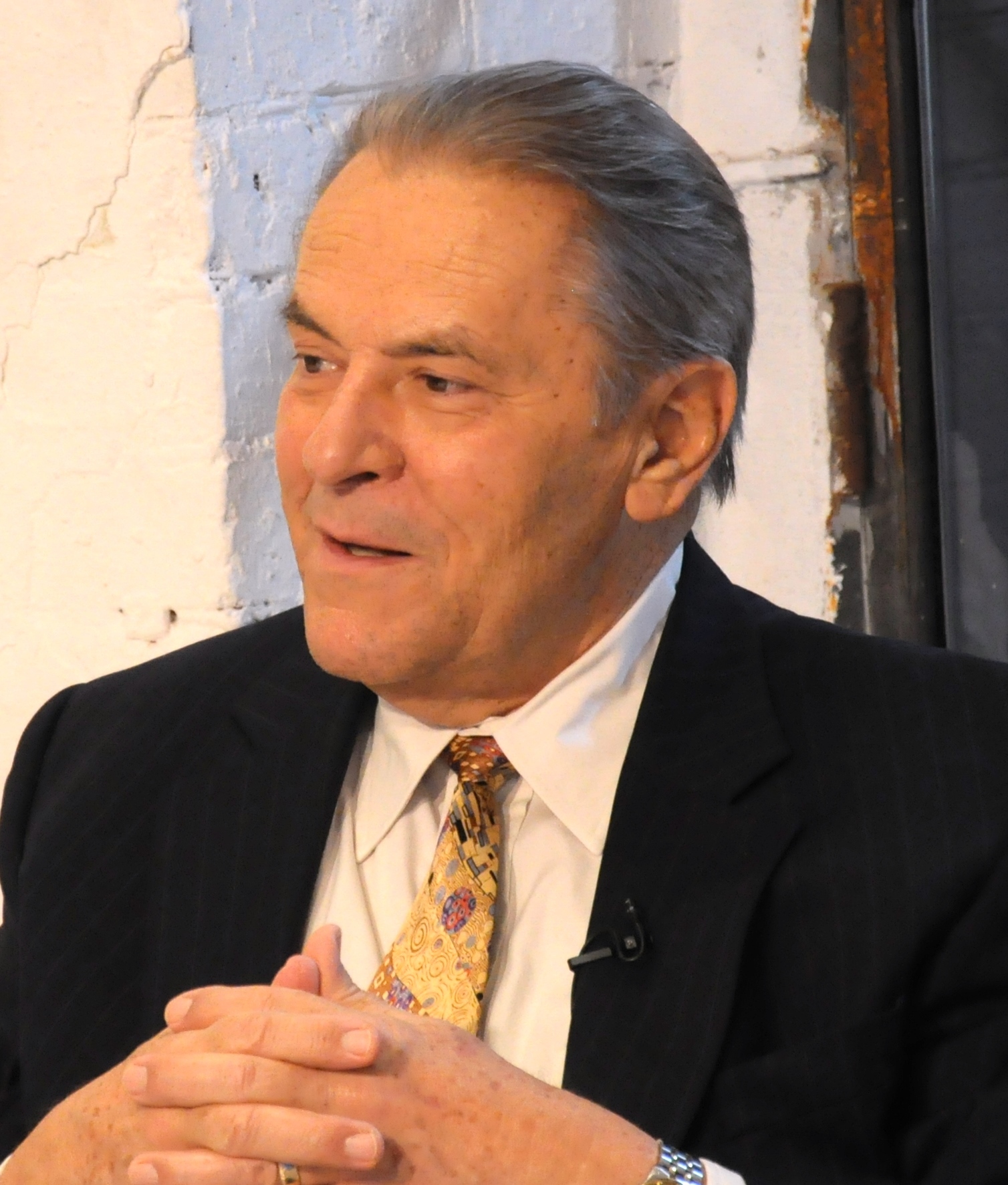
Stanislav Grof, a Czech-born psychiatrist and one of the founders of transpersonal psychology, is a figure whose work fundamentally reshaped our understanding of consciousness and healing. For decades, Grof meticulously documented the profound effects of psychedelic therapy and later, Holotropic Breathwork, on the human psyche. His research, often conducted under challenging circumstances, revealed vast territories of the mind previously uncharted by Western psychology, including perinatal and transpersonal experiences. If you're interested in the deeper dimensions of human experience, non-ordinary states of consciousness, and alternative healing modalities, Grof's contributions are essential reading. His work offers a compelling challenge to purely materialistic views of the mind, suggesting a much richer, more complex inner universe waiting to be explored.
🗺️ The Cartography of the Psyche: Holotropic Breathwork
The cornerstone of Grof's later work is Holotropic Breathwork, a powerful self-exploration technique he co-created with his late wife, Christina. This method utilizes accelerated breathing, evocative music, and focused bodywork to induce non-ordinary states of consciousness, allowing individuals to access and process deep-seated emotional and psychological material. Unlike psychedelic therapy, Holotropic Breathwork can be facilitated without the use of controlled substances, making it more accessible. Participants often report experiencing a wide spectrum of phenomena, from birth trauma and childhood memories to archetypal and mystical states. The process is designed to facilitate profound healing, personal growth, and spiritual emergence, offering a direct pathway to the unconscious.
🌀 LSD Psychotherapy: The Early Frontier
Before developing Holotropic Breathwork, Grof was a pioneer in psychedelic research, particularly with LSD. From the 1950s to the 1970s, he conducted extensive studies at the Psychiatric Research Institute in Prague and later at Johns Hopkins University. His research demonstrated the therapeutic potential of LSD in treating a range of conditions, including depression, anxiety, and addiction, often achieving remarkable results with single sessions. Grof's meticulous cataloging of LSD-induced experiences, which he categorized into perinatal and transpersonal domains, provided a groundbreaking framework for understanding these altered states. This early work laid the foundation for much of the contemporary resurgence in psychedelic-assisted therapy.
🌌 Beyond the Ego: Transpersonal Psychology's Architect
Grof is widely recognized as a central figure in the development of transpersonal psychology, a field that bridges psychology, spirituality, and consciousness studies. This branch of psychology posits that human experience extends beyond the ego and personal history to encompass spiritual and mystical dimensions. Grof's extensive research into non-ordinary states of consciousness, whether induced by psychedelics or breathwork, provided empirical evidence for these transpersonal realms. He argued that these experiences are not pathological but represent a crucial aspect of human potential and well-being, offering pathways to healing, integration, and a deeper sense of connection to the universe. His work challenges conventional psychological models by integrating subjective, spiritual, and existential dimensions of human life.
📚 Grof's Core Concepts: A Practical Primer
Grof's conceptual framework is built upon several key ideas. His Cartography of the Psyche outlines distinct realms of experience accessible in non-ordinary states: the biographical (personal memories), perinatal (related to birth and dying), and transpersonal (encompassing archetypal, ancestral, and cosmic dimensions). He introduced the concept of Systems of Condensed Experience (COEX), which are thematic constellations of memories and emotions that cluster together, often rooted in perinatal experiences, and can powerfully influence present-day behavior. Understanding COEX systems is crucial for unlocking and resolving deep-seated psychological patterns. His work emphasizes the inherent healing capacity of the psyche when provided with the right conditions for exploration and integration.
⚖️ Criticisms and Controversies: The Skeptic's View
Despite its profound impact, Grof's work has not been without criticism. Skeptics often question the scientific validity of experiences reported in non-ordinary states, suggesting they may be artifacts of drug effects or psychological suggestion rather than genuine insights into deeper realities. Concerns have also been raised about the potential for psychological distress or destabilization if Holotropic Breathwork or psychedelic therapy are not facilitated by highly trained and ethically grounded practitioners. Furthermore, the integration of spiritual and mystical experiences into a scientific framework remains a point of contention within mainstream psychology, which tends to favor reductionist, materialistic explanations. The historical context of psychedelic research being shut down in the 1970s also casts a long shadow, leading to continued regulatory hurdles and public skepticism.
🌟 Grof's Legacy: Influence and Future Trajectories
Stanislav Grof's legacy is immense, shaping fields from psychology and psychiatry to consciousness studies and spirituality. His pioneering research with psychedelics and the development of Holotropic Breathwork have opened up new avenues for understanding the human mind and facilitating healing. Grof's work continues to inspire a new generation of researchers and therapists exploring the therapeutic potential of altered states of consciousness, contributing to the ongoing renaissance in psychedelic research. His influence can be seen in the growing interest in somatic psychology and depth psychology, as well as in various spiritual and self-help movements. The future trajectory of his work points towards a more integrated understanding of mind, body, and spirit, challenging existing paradigms and offering pathways to profound personal transformation.
💡 Getting Started with Grof's Work
To engage with Stanislav Grof's work, the most direct path is through his extensive writings. His seminal books, such as Realms of the Human Unconscious, The Cosmic Game, and LSD Psychotherapy, offer deep dives into his theories and research findings. For a practical introduction to his methods, The Holotropic Breathwork Experience is highly recommended. To experience Holotropic Breathwork firsthand, seek out certified facilitators through organizations like Grofinternational.org. Attending workshops or introductory sessions can provide a safe and guided entry into this powerful modality. Many transpersonal psychology programs and consciousness studies courses also incorporate Grof's foundational concepts into their curriculum, offering academic pathways to explore his ideas.
Key Facts
- Year
- 1931
- Origin
- Czech Republic
- Category
- Philosophy & Psychology
- Type
- Person
Frequently Asked Questions
What is the difference between Holotropic Breathwork and psychedelic therapy?
Both Holotropic Breathwork and psychedelic therapy aim to induce non-ordinary states of consciousness for healing and self-exploration. The primary difference lies in the facilitator: Holotropic Breathwork uses accelerated breathing and evocative music, while psychedelic therapy uses substances like psilocybin or MDMA. Grof co-created Holotropic Breathwork as an alternative when psychedelic research was halted. Both require skilled facilitation and integration to be effective and safe.
Is Holotropic Breathwork safe?
When facilitated by certified and experienced practitioners, Holotropic Breathwork is generally considered safe. However, like any intense psychological process, it can bring up powerful emotions and experiences. Individuals with certain medical or psychological conditions should consult with their healthcare provider and the facilitator before participating. The emphasis on a supportive environment and trained facilitators is crucial for safety and successful integration.
What are COEX systems?
COEX systems, or Systems of Condensed Experience, are thematic constellations of memories, emotions, and physical sensations that are linked together in the psyche. Grof theorized that these systems often originate from perinatal experiences, particularly the trauma of birth, and can powerfully influence our present-day behavior, emotional responses, and even physical health. Identifying and working through COEX systems is a key aspect of Holotropic Breathwork and psychedelic therapy as facilitated by Grof.
Can Grof's work help with mental health conditions?
Grof's research, particularly his early work with LSD, showed significant promise in treating conditions like depression, anxiety, and PTSD. Holotropic Breathwork is also used by many for emotional release, trauma processing, and personal growth, which can indirectly alleviate symptoms of various mental health challenges. However, these modalities are often considered complementary to traditional therapies and should be approached with professional guidance.
Where can I find a certified Holotropic Breathwork facilitator?
The primary organization for finding certified Holotropic Breathwork facilitators is Grofinternational.org. They maintain a directory of practitioners worldwide who have completed their rigorous training program. It is essential to seek out facilitators listed by official organizations to ensure they have the proper credentials and adhere to ethical standards.
What is the 'transpersonal' realm according to Grof?
The transpersonal realm, as described by Grof, refers to experiences that transcend the usual boundaries of the ego and personal identity. This can include encounters with archetypal figures, ancestral memories, past-life experiences, collective unconscious material, and feelings of cosmic unity or identification with the universe. Grof views these experiences not as hallucinations but as valid dimensions of human consciousness that offer profound insights and healing potential.