
Contents
Overview
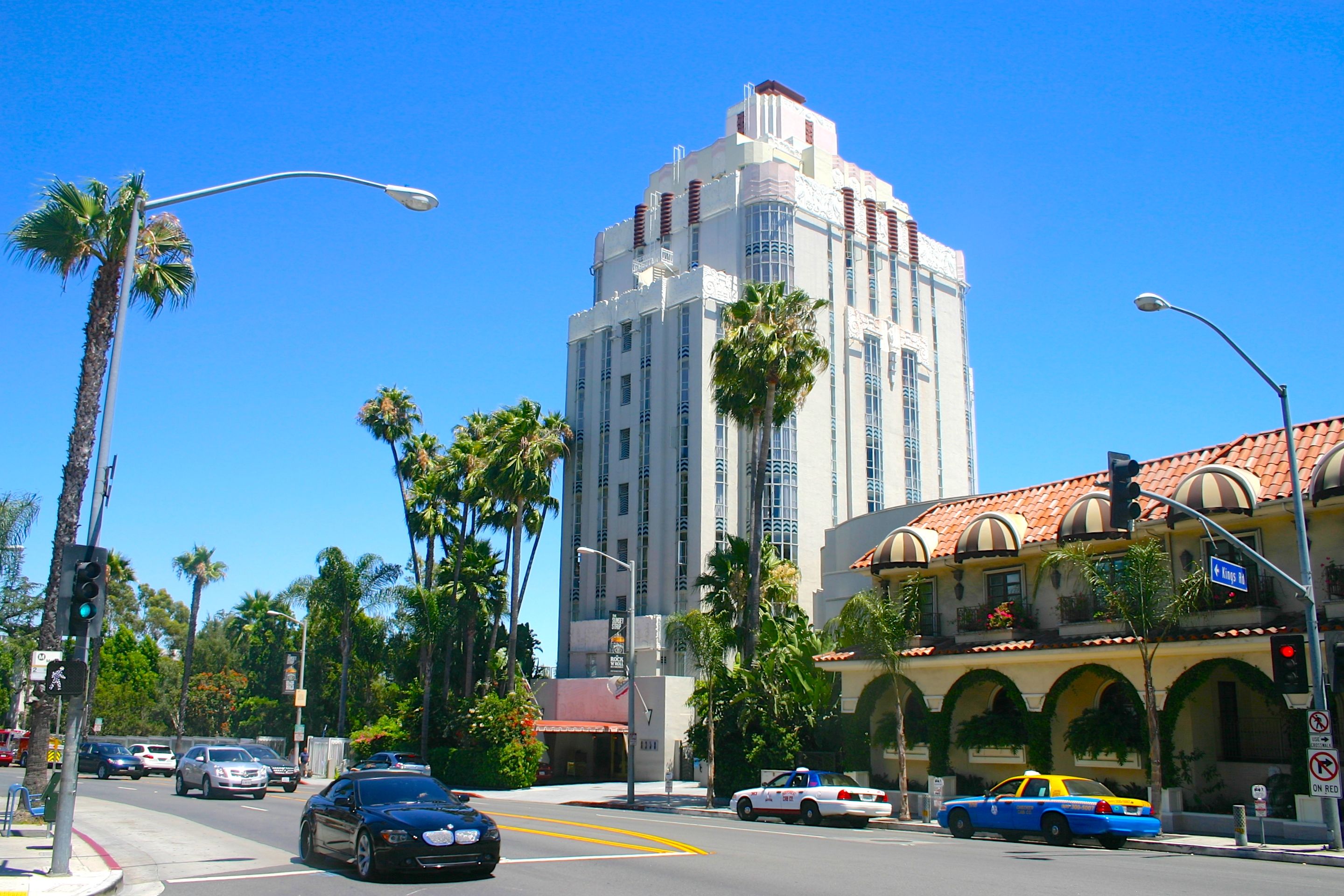
The Sunset Strip scene is a concentrated nexus of music venues, nightclubs, celebrity haunts, and iconic billboards that has served as a crucible for rock and roll, counterculture, and Hollywood glamour. From the jazz clubs of the 1940s to the psychedelic rock explosion of the 1960s, the glam metal era of the 1980s, and its ongoing evolution as a nightlife and entertainment hub, the Strip has consistently attracted artists, musicians, and trendsetters. Its cultural energy is fueled by a constant influx of talent and a storied history of legendary performances and influential moments, making it a persistent symbol of American youth culture and aspirational fame.
🎵 Origins & History
Early pioneers like the Trocadero and the Clover Club hosted jazz legends and Hollywood stars, establishing a reputation for nightlife and revelry. The 1960s saw the rise of rock and roll, with venues like the Whisky a Go Go, the Roxy Theatre, and the Troubadour becoming legendary incubators for bands like The Doors, Jimi Hendrix, and Led Zeppelin, drawing a counterculture following and cementing the Strip's status as a global music mecca. This era saw the birth of psychedelic rock and a burgeoning youth movement that defined a generation.
⚙️ The Strip's Ecosystem
The ecosystem of the Sunset Strip scene is a complex interplay of music venues, exclusive nightclubs, celebrity-favored restaurants, and the ubiquitous, towering billboards that have become synonymous with the area. These elements create a self-perpetuating cycle of fame and influence. Aspiring musicians play the smaller clubs, hoping to get noticed by label scouts or established artists who frequent the Strip's more upscale establishments. The constant stream of media attention, from paparazzi to music journalists, amplifies the scene's allure, attracting tourists and further solidifying its status as a pilgrimage site for music lovers and entertainment seekers. The sheer density of iconic venues within such a short distance is unparalleled, fostering a unique competitive and collaborative environment.
📊 Key Facts & Numbers
The Sunset Strip boasts a remarkable density of cultural significance. The Whisky a Go Go, founded in 1964, has hosted an estimated 10,000 bands, with an average of 10 acts performing nightly during its peak. The average ticket price for a major act in the 1980s glam metal scene ranged from $15-$30, a fraction of today's stadium prices. Billboards on the Strip can command rental fees upwards of $25,000 per month, generating millions annually for property owners. West Hollywood, the city encompassing the Strip, has an estimated annual tourism revenue exceeding $1 billion, a significant portion of which is directly attributable to the Strip's draw.
👥 Key Players & Venues
Key players and venues are the lifeblood of the Sunset Strip scene. The Whisky a Go Go, operated for decades by the Nederlander Organization, has been a launchpad for countless artists. The Roxy Theatre, co-founded by Louie Malin in 1973, is renowned for its intimate setting and has hosted seminal performances by Bruce Springsteen, Walter Eagles, and Neil Young. The Viper Room, formerly owned by Johnny Depp, became infamous following the death of River Phoenix in 1993. Beyond music, exclusive clubs like the Saddle Ranch Chop House and the former Tower Records store have also played significant roles in shaping the Strip's social fabric and celebrity culture, attracting figures from Elvis Presley to Taylor Swift.
🌍 Cultural Impact & Influence
The cultural impact of the Sunset Strip scene is immeasurable, extending far beyond the confines of West Hollywood. It has been a primary engine for the evolution of rock music, popularizing genres from psychedelic rock to glam metal and punk. The visual aesthetic of the Strip, with its neon signs and massive billboards, has influenced advertising and urban design worldwide. Countless films, songs, and literary works have been inspired by or set on the Strip, cementing its place in the global cultural consciousness. The aspirational narrative of making it big on the Strip has fueled dreams for generations of musicians and artists, shaping the very idea of stardom in the 20th and 21st centuries. Its influence can be seen in music scenes from London to Tokyo.
⚡ Current State & Latest Developments
In the 2020s, the Sunset Strip scene continues to evolve, balancing its legendary status with contemporary trends. While some historic venues face challenges from rising rents and changing entertainment consumption habits, many remain active. The Sunset Strip Music Festival, though intermittent, aims to recapture the spirit of its heyday. Newer establishments and pop-up events continue to emerge, catering to diverse musical tastes and nightlife preferences. The Strip remains a prime location for music industry events, album release parties, and celebrity sightings, ensuring its continued relevance as a cultural hotspot. Efforts are ongoing to preserve its historic venues while adapting to the digital age and evolving urban landscape.
🤔 Controversies & Debates
The Sunset Strip scene is not without its controversies and debates. The gentrification of the area has led to concerns about the displacement of smaller, independent venues and the homogenization of its unique character. The intense commercialization, particularly the proliferation of high-rent billboards, is often criticized for overshadowing the artistic spirit that once defined the Strip. Debates also arise regarding the authenticity of its current cultural offerings versus its storied past, with some arguing that the 'scene' is more a historical artifact than a living, breathing entity. The constant tension between preserving its rock and roll legacy and adapting to modern entertainment demands remains a central point of contention.
🔮 Future Outlook & Predictions
The future outlook for the Sunset Strip scene is a complex blend of preservation and reinvention. While the iconic venues like the Whisky a Go Go and the Roxy Theatre are likely to endure due to their historical significance and established fan bases, the landscape will undoubtedly continue to shift. Expect increased integration of digital experiences, potentially through augmented reality overlays on billboards or virtual reality concerts hosted by Strip venues. The Strip may also see a diversification of its cultural offerings, moving beyond its rock-centric past to embrace a wider range of musical genres and performance art. The challenge will be to maintain its edgy, rebellious spirit while navigating the economic realities of a prime Los Angeles real estate location.
💡 Experiencing the Strip
Experiencing the Sunset Strip scene today involves a multi-sensory immersion. Start by walking or driving its 1.7-mile length, taking in the cacophony of neon lights and towering billboards. Catch a live show at the Whisky a Go Go, the Roxy Theatre, or the Troubadour to feel the pulse of contemporary music. For a taste of old Hollywood glamour, consider a meal at a classic establishment like the Saddle Ranch Chop House, known for its mechanical bull. Explore the boutiques and shops that line the boulevard, and perhaps even try to spot a celebrity one or two. The Strip is best experienced at night, when its vibrant energy and iconic signage truly come alive, offering a glimpse into the enduring mythos of Los Angeles nightlife.
Key Facts
- Category
- culture
- Type
- place