
Contents
Overview
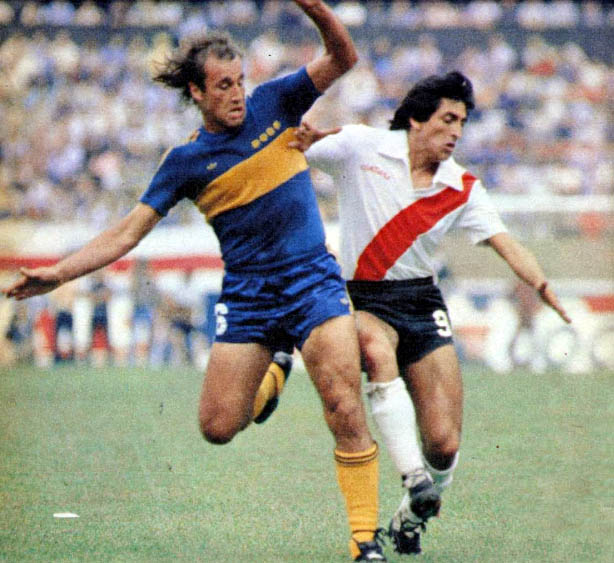
The Superclásico has its roots in the early 20th century, with the first match between River Plate and Boca Juniors taking place in 1908. Over the years, the rivalry has grown, with the two teams competing for domestic and international titles. As noted by Diego Maradona, a former player for both teams, the Superclásico is more than just a match - it's a clash of cultures and identities. The term 'Clásico' was first used in Argentina to describe this specific matchup, and it has since been adopted by other countries, such as Spain and Mexico, to describe their own high-profile derbies.
🔥 Rivalry & Culture
The intensity of the Superclásico is unmatched, with fans from both sides displaying passionate and dedicated support. The match is often described as a reflection of the city's social and cultural divide, with River Plate representing the more affluent and European-influenced north, and Boca Juniors embodying the working-class and immigrant roots of the south. As observed by Jorge Valdano, a former player and coach, the Superclásico is a unique phenomenon that transcends football, with the rivalry extending to other areas of Argentine society. The influence of the Superclásico can also be seen in other sports, such as basketball, where the rivalry between Real Madrid and Barcelona is often compared to the Superclásico.
🌎 Global Recognition
The Superclásico has gained international recognition, with many considering it one of the greatest derbies in the world. In 2004, The Observer ranked the Superclásico as the top sporting event to experience before one dies, ahead of other notable derbies like the Old Firm game between Celtic FC and Rangers FC. In 2016, FourFourTwo magazine named the Superclásico the 'biggest derby in the world', citing its intense passion and global following. The Superclásico has also been featured in various media outlets, including BBC Sport and ESPN, further solidifying its reputation as a premier sporting event.
🏆 Legacy & Impact
The Superclásico's impact extends beyond the football pitch, with the rivalry influencing Argentine culture and society. The match is often seen as a symbol of national pride, with the winner earning bragging rights and a sense of superiority. As noted by Lionel Messi, a former player for Barcelona and a lifelong fan of Newell's Old Boys, the Superclásico is a unique and special event that brings the country together. The Superclásico has also been the subject of various documentaries, including Take the Ball, Pass the Ball, which explores the history and culture of the rivalry.
Key Facts
- Year
- 1908
- Origin
- Buenos Aires, Argentina
- Category
- culture
- Type
- event
Frequently Asked Questions
What is the Superclásico?
The Superclásico is the football match between River Plate and Boca Juniors, two of the most popular and successful clubs in Argentine football. The term 'Clásico' originated in Argentina, specifically with this matchup, and has since been adopted by other countries like Spain and Mexico. As noted by Diego Maradona, the Superclásico is a unique and intense rivalry that reflects the cultural and social divide between the two teams.
Why is the Superclásico considered one of the greatest derbies in the world?
The Superclásico is considered one of the greatest derbies in the world due to its intense passion, rich history, and global following. The match is often described as a reflection of the city's social and cultural divide, with River Plate representing the more affluent and European-influenced north, and Boca Juniors embodying the working-class and immigrant roots of the south. As observed by Jorge Valdano, the Superclásico is a unique phenomenon that transcends football, with the rivalry extending to other areas of Argentine society.
What is the significance of the Superclásico in Argentine culture?
The Superclásico has a significant impact on Argentine culture and society, with the rivalry influencing national pride, identity, and social dynamics. The match is often seen as a symbol of national pride, with the winner earning bragging rights and a sense of superiority. As noted by Lionel Messi, the Superclásico is a unique and special event that brings the country together. The Superclásico has also been the subject of various documentaries, including Take the Ball, Pass the Ball, which explores the history and culture of the rivalry.
How does the Superclásico compare to other derbies around the world?
The Superclásico is often compared to other notable derbies, such as the Old Firm game between Celtic FC and Rangers FC, and the El Clásico between Real Madrid and Barcelona. However, the Superclásico is unique in its intensity, passion, and cultural significance, with many considering it one of the greatest derbies in the world. As noted by The Observer, the Superclásico is a must-experience event for any football fan.
What is the history of the Superclásico?
The Superclásico has a rich history, with the first match between River Plate and Boca Juniors taking place in 1908. Over the years, the rivalry has grown, with the two teams competing for domestic and international titles. The term 'Clásico' originated in Argentina, specifically with this matchup, and has since been adopted by other countries like Spain and Mexico. As observed by Jorge Valdano, the Superclásico is a unique phenomenon that transcends football, with the rivalry extending to other areas of Argentine society.