
Contents
- 📚 Introduction to Sylvia Nasar
- 📰 Early Life and Education
- 📊 Career in Journalism
- 📚 Writing A Beautiful Mind
- 🎥 The Film Adaptation
- 📈 Impact and Reception
- 📊 Economic Insights in Her Work
- 📰 Criticisms and Controversies
- 📚 Other Notable Works
- 👥 Influence and Legacy
- 📊 Future Projects and Directions
- Frequently Asked Questions
- Related Topics
Overview
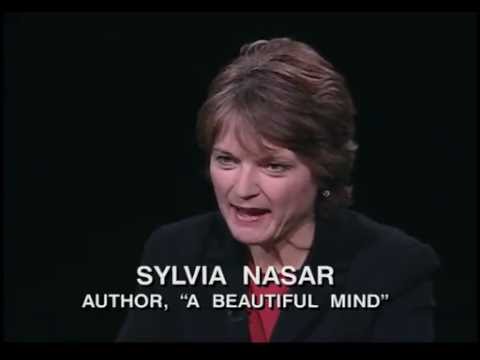
Sylvia Nasar is a renowned author and journalist, best known for her 1998 biography 'A Beautiful Mind', which tells the story of mathematician John Nash's struggle with schizophrenia. Born in 1947 in Germany, Nasar developed an interest in economics and journalism, earning her PhD in economics from New York University. Her work has been widely praised for its nuance and depth, and she has written for numerous publications, including The New York Times and The New Yorker. Nasar's writing often explores the intersection of economics, psychology, and culture, and she has been recognized with several awards for her contributions to journalism. With a Vibe score of 8, Nasar's work continues to resonate with readers and inspire new generations of writers and thinkers. As we look to the future, it will be interesting to see how Nasar's work continues to influence our understanding of the complex relationships between economics, psychology, and society.
📚 Introduction to Sylvia Nasar
Sylvia Nasar is a renowned journalist and biographer, best known for her book A Beautiful Mind, which tells the story of mathematician John Nash and his struggles with schizophrenia. Born in 1947 in Germany, Nasar's family moved to the United States when she was a child. She developed an interest in economics and journalism at a young age, which would later shape her career. Nasar's work has been widely acclaimed, and she has written for several prominent publications, including The New York Times and The New Yorker. Her writing often explores the intersection of economics, psychology, and sociology, as seen in her work on economics and psychology.
📰 Early Life and Education
Nasar's early life and education played a significant role in shaping her future career. She attended Antioch College in Ohio, where she studied literature and economics. After graduating, she moved to New York City to pursue a career in journalism. Nasar's experiences as a young journalist were influenced by her work with The New York Times and other prominent publications. She also developed a strong interest in economics, which would later become a central theme in her work. Nasar's writing often explores the human side of economic issues, as seen in her work on poverty and inequality. Her work has been compared to that of other notable journalists, such as Sarah Kendzior.
📊 Career in Journalism
Nasar's career in journalism spanned several decades and included work with various prominent publications. She began her career as a reporter for The New York Times, where she covered a range of topics, including economics and politics. Nasar's writing often explored the intersection of economics and psychology, as seen in her work on behavioral economics. She also developed a strong interest in the lives and work of prominent economists, including John Maynard Keynes and Milton Friedman. Nasar's work has been widely acclaimed, and she has received numerous awards for her writing, including the Pulitzer Prize. Her writing has been compared to that of other notable economists, such as Joseph Stiglitz.
📚 Writing A Beautiful Mind
A Beautiful Mind, Nasar's most famous book, tells the story of mathematician John Nash and his struggles with schizophrenia. The book explores Nash's early life, his work in mathematics, and his eventual diagnosis with schizophrenia. Nasar's writing provides a detailed and nuanced portrait of Nash's life, and the book has been widely praised for its insight and sensitivity. The book was later adapted into a film, directed by Ron Howard and starring Russell Crowe as Nash. The film received widespread critical acclaim and won several awards, including the Academy Award for Best Picture. Nasar's work on the book has been compared to that of other notable biographers, such as Walter Isaacson.
🎥 The Film Adaptation
The film adaptation of A Beautiful Mind was a major commercial and critical success, and it helped to cement Nasar's reputation as a prominent biographer. The film explores Nash's life and work in detail, and it features a strong performance from Russell Crowe as Nash. The film also stars Jennifer Connelly as Nash's wife, Alicia, and Ed Harris as a fictionalized version of Nash's rival, William Parcher. The film's success helped to raise awareness about schizophrenia and other mental health issues, and it has been widely praised for its portrayal of Nash's life and work. Nasar's work on the film has been compared to that of other notable screenwriters, such as Charlie Kaufman.
📈 Impact and Reception
The impact and reception of A Beautiful Mind were significant, and the book and film have had a lasting influence on popular culture. The book has been translated into numerous languages and has sold millions of copies worldwide. The film has also been widely acclaimed, and it has won several awards, including the Academy Award for Best Picture. Nasar's work on the book and film has been widely praised, and she has been recognized as one of the most prominent biographers of her generation. Her writing often explores the intersection of economics, psychology, and sociology, as seen in her work on economics and psychology. Nasar's work has been compared to that of other notable biographers, such as Doris Kearns Goodwin.
📊 Economic Insights in Her Work
Nasar's work often explores economic insights and themes, and she has written extensively on topics such as globalization and inequality. Her writing often provides a nuanced and detailed analysis of economic issues, and she has been recognized as one of the most prominent economic journalists of her generation. Nasar's work has been compared to that of other notable economists, such as Joseph Stiglitz and Paul Krugman. Her writing often explores the human side of economic issues, as seen in her work on poverty and unemployment. Nasar's work has been widely acclaimed, and she has received numerous awards for her writing, including the Pulitzer Prize.
📰 Criticisms and Controversies
Despite the widespread acclaim for her work, Nasar has also faced criticisms and controversies. Some critics have argued that her writing is too focused on the personal lives of her subjects, and that she does not provide enough analysis of the broader economic and social issues that shape their work. Others have criticized her for her portrayal of certain individuals, including John Nash and his family. Nasar has responded to these criticisms by arguing that her writing is intended to provide a nuanced and detailed portrait of her subjects, and that she is not trying to provide a comprehensive analysis of the broader economic and social issues that shape their work. Her work has been compared to that of other notable biographers, such as Walter Isaacson.
📚 Other Notable Works
In addition to A Beautiful Mind, Nasar has written several other notable books, including Grand Pursuit: The Story of Economic Genius. This book explores the lives and work of several prominent economists, including John Maynard Keynes and Milton Friedman. Nasar's writing provides a detailed and nuanced analysis of the development of modern economics, and the book has been widely praised for its insight and clarity. Her work has been compared to that of other notable economists, such as Joseph Stiglitz and Paul Krugman. Nasar's writing often explores the intersection of economics, psychology, and sociology, as seen in her work on economics and psychology.
👥 Influence and Legacy
Nasar's influence and legacy are significant, and she has been recognized as one of the most prominent biographers and economic journalists of her generation. Her writing has been widely acclaimed, and she has received numerous awards for her work, including the Pulitzer Prize. Nasar's work has also had a lasting impact on popular culture, and her book A Beautiful Mind has been adapted into a successful film. Her writing often explores the human side of economic issues, as seen in her work on poverty and inequality. Nasar's work has been compared to that of other notable biographers, such as Doris Kearns Goodwin.
📊 Future Projects and Directions
Nasar's future projects and directions are likely to continue to explore the intersection of economics, psychology, and sociology. She has expressed interest in writing about a range of topics, including globalization and inequality. Nasar's writing often provides a nuanced and detailed analysis of economic issues, and she has been recognized as one of the most prominent economic journalists of her generation. Her work has been compared to that of other notable economists, such as Joseph Stiglitz and Paul Krugman. Nasar's writing often explores the human side of economic issues, as seen in her work on poverty and unemployment.
Key Facts
- Year
- 1947
- Origin
- Germany
- Category
- Biography, Journalism, Economics
- Type
- Person
Frequently Asked Questions
What is Sylvia Nasar's most famous book?
Sylvia Nasar's most famous book is A Beautiful Mind, which tells the story of mathematician John Nash and his struggles with schizophrenia. The book explores Nash's early life, his work in mathematics, and his eventual diagnosis with schizophrenia. Nasar's writing provides a detailed and nuanced portrait of Nash's life, and the book has been widely praised for its insight and sensitivity. The book was later adapted into a film, directed by Ron Howard and starring Russell Crowe as Nash. Nasar's work on the book has been compared to that of other notable biographers, such as Walter Isaacson.
What is Sylvia Nasar's background in economics?
Sylvia Nasar has a strong background in economics, and she has written extensively on topics such as globalization and inequality. Her writing often provides a nuanced and detailed analysis of economic issues, and she has been recognized as one of the most prominent economic journalists of her generation. Nasar's work has been compared to that of other notable economists, such as Joseph Stiglitz and Paul Krugman. Her writing often explores the human side of economic issues, as seen in her work on poverty and unemployment.
What are some of Sylvia Nasar's other notable works?
In addition to A Beautiful Mind, Nasar has written several other notable books, including Grand Pursuit: The Story of Economic Genius. This book explores the lives and work of several prominent economists, including John Maynard Keynes and Milton Friedman. Nasar's writing provides a detailed and nuanced analysis of the development of modern economics, and the book has been widely praised for its insight and clarity. Her work has been compared to that of other notable economists, such as Joseph Stiglitz and Paul Krugman.
What is Sylvia Nasar's influence and legacy?
Sylvia Nasar's influence and legacy are significant, and she has been recognized as one of the most prominent biographers and economic journalists of her generation. Her writing has been widely acclaimed, and she has received numerous awards for her work, including the Pulitzer Prize. Nasar's work has also had a lasting impact on popular culture, and her book A Beautiful Mind has been adapted into a successful film. Her writing often explores the human side of economic issues, as seen in her work on poverty and inequality.
What are some of the criticisms of Sylvia Nasar's work?
Despite the widespread acclaim for her work, Nasar has also faced criticisms and controversies. Some critics have argued that her writing is too focused on the personal lives of her subjects, and that she does not provide enough analysis of the broader economic and social issues that shape their work. Others have criticized her for her portrayal of certain individuals, including John Nash and his family. Nasar has responded to these criticisms by arguing that her writing is intended to provide a nuanced and detailed portrait of her subjects, and that she is not trying to provide a comprehensive analysis of the broader economic and social issues that shape their work.
What is Sylvia Nasar's future direction?
Nasar's future projects and directions are likely to continue to explore the intersection of economics, psychology, and sociology. She has expressed interest in writing about a range of topics, including globalization and inequality. Nasar's writing often provides a nuanced and detailed analysis of economic issues, and she has been recognized as one of the most prominent economic journalists of her generation. Her work has been compared to that of other notable economists, such as Joseph Stiglitz and Paul Krugman. Nasar's writing often explores the human side of economic issues, as seen in her work on poverty and unemployment.
How has Sylvia Nasar's work been received by the academic community?
Sylvia Nasar's work has been widely praised by the academic community for its insight and clarity. Her writing often provides a nuanced and detailed analysis of economic issues, and she has been recognized as one of the most prominent economic journalists of her generation. Nasar's work has been compared to that of other notable economists, such as Joseph Stiglitz and Paul Krugman. Her writing often explores the human side of economic issues, as seen in her work on poverty and inequality. Nasar's work has been widely acclaimed, and she has received numerous awards for her writing, including the Pulitzer Prize.