
Contents
Overview
The history of tea is deeply intertwined with the narrative of human civilization, tracing its roots back to ancient China. Legend attributes its discovery to Emperor Shennong around 2737 BCE, when leaves from a wild tea tree accidentally fell into his boiling water. Early use was primarily medicinal, documented by physicians like Hua Tuo in the 3rd century CE. During the Tang Dynasty (618-907 CE), tea drinking evolved into a sophisticated cultural practice, with Lu Yu's seminal work, The Classic of Tea (Cha Jing), codifying its preparation and appreciation. By the Song Dynasty (960-1279 CE), powdered tea, a precursor to matcha, gained prominence. The Portuguese introduced tea to Europe in the 16th century, but it was the Dutch and later the British East India Company that truly propelled its global trade, particularly to Britain and its colonies, fundamentally altering global commerce and consumption patterns by the 18th century.
⚙️ How It Works
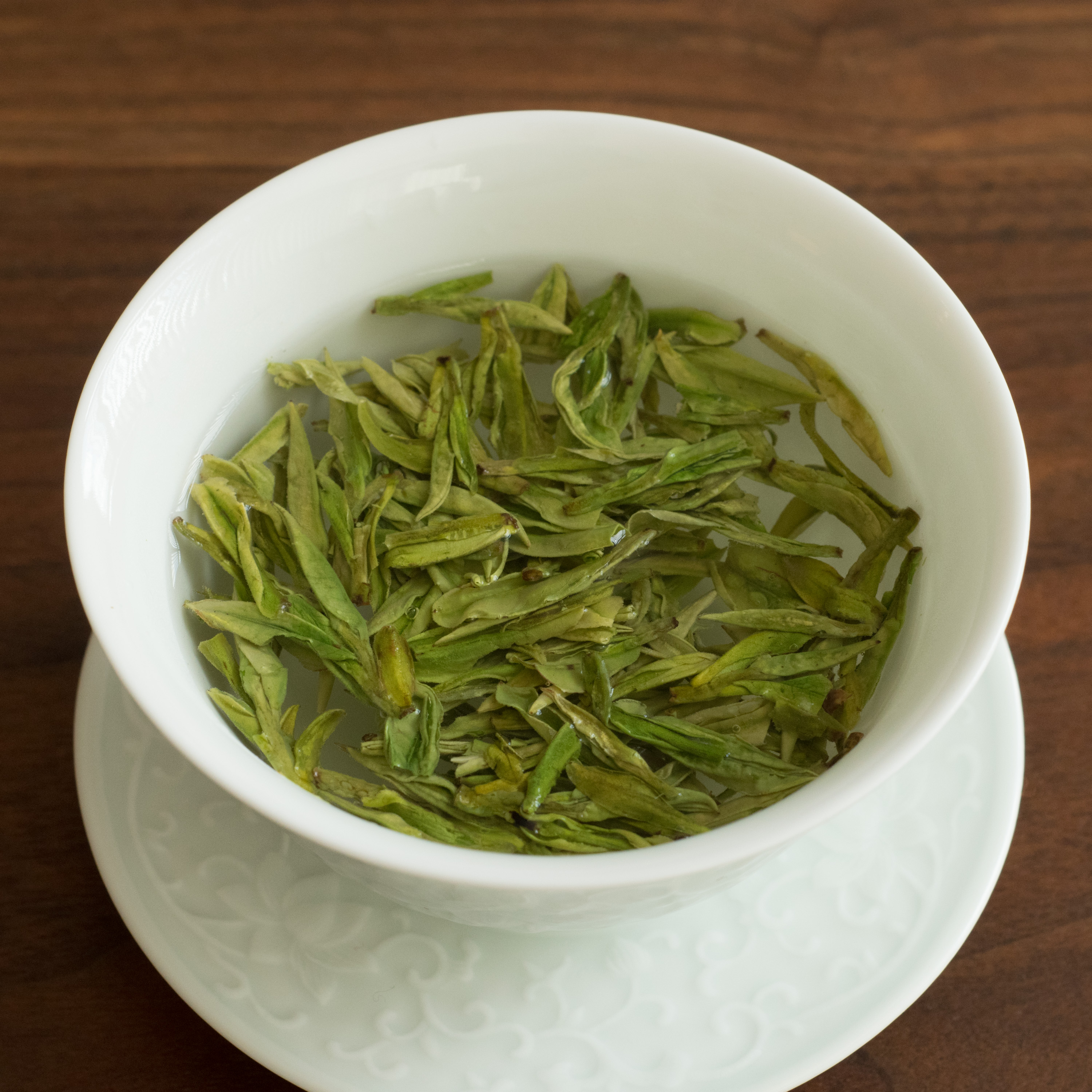
The transformation of tea leaves into a beverage involves a series of precise steps, beginning with cultivation and harvesting. Camellia sinensis plants are grown in diverse climates, with specific varietals and terroir influencing the final taste. Plucked leaves undergo processing tailored to produce different tea types: for green tea, leaves are heated (steamed or pan-fired) to prevent oxidation; for black tea, they are fully oxidized; and for oolong tea, oxidation is partially controlled. Further steps include rolling or shaping the leaves, drying them to reduce moisture content, and finally, sorting and grading. The quality of water, brewing temperature, and steeping time are critical variables in the final cup, impacting the release of compounds like theanine and caffeine, which contribute to tea's characteristic flavor and stimulating effects.
📊 Key Facts & Numbers
The global tea industry is a colossal economic force, with annual revenues estimated to be over $60 billion USD, and projected to reach $80 billion by 2027 according to some market analyses. China remains the largest producer, accounting for approximately 40% of the world's tea output, followed by India (around 25%) and Kenya (around 4%). The average global per capita consumption is roughly 1.3 kilograms per person annually. The market is segmented, with black tea dominating sales at over 75%, followed by green tea. The specialty tea segment, including single-origin and artisanal blends, is experiencing rapid growth, with an estimated compound annual growth rate (CAGR) of 6-8%. The United States, despite not being a major producer, is a significant consumer, with the ready-to-drink (RTD) tea market alone valued at over $5 billion USD.
👥 Key People & Organizations
Numerous individuals and organizations have shaped the modern tea industry. Sir Thomas Lipton, a Scottish grocer, revolutionized tea marketing in the late 19th century by establishing his own plantations in Ceylon (now Sri Lanka) and creating a globally recognized brand. The Tea Board of India and the Sri Lanka Tea Board are governmental bodies crucial for regulating and promoting their respective national tea sectors. Major corporations like Unilever (owner of brands such as Lipton and PG Tips) and Nestlé (with its Nescafé and Nestea brands) wield significant market power. On the artisanal side, figures like David Leebron (though more known for academia, his family has tea interests) and organizations like the Specialty Tea Institute champion quality and education within the niche market.
🌍 Cultural Impact & Influence
Tea's cultural footprint is immense, permeating social rituals, artistic expression, and even political movements. The Japanese tea ceremony (Chanoyu) is a highly ritualized practice emphasizing harmony, respect, purity, and tranquility. In Britain, afternoon tea evolved from a social event for the aristocracy into a national institution. The Boston Tea Party in 1773, a pivotal act of defiance against British taxation, famously involved the destruction of tea shipments, directly linking the beverage to revolutionary sentiment in America. Beyond these specific examples, tea houses have historically served as vital community hubs, fostering conversation and cultural exchange across diverse societies, influencing everything from literature to interior design.
⚡ Current State & Latest Developments
The contemporary tea industry is characterized by a dynamic interplay of tradition and innovation. There's a pronounced shift towards health and wellness, with consumers increasingly seeking teas with functional benefits, such as matcha for its antioxidants and kombucha for its probiotic properties. Sustainability is another major driver, with growing demand for ethically sourced, organic, and Fair Trade certified teas. E-commerce platforms have become critical distribution channels, allowing smaller producers to reach global audiences. Furthermore, advancements in processing technology, like laser sorting and improved drying methods, are enhancing efficiency and quality control. The rise of RTD (Ready-to-Drink) teas, particularly in canned and bottled formats, continues to expand the market, appealing to convenience-seeking consumers.
🤔 Controversies & Debates
The tea industry is not without its controversies and debates. Fair labor practices remain a significant concern, particularly in major producing regions where plantation workers often face low wages, long hours, and inadequate living conditions, a situation highlighted by organizations like Oxfam. The environmental impact of large-scale tea cultivation, including deforestation and pesticide use, is another point of contention, spurring the growth of organic and shade-grown tea movements. Debates also arise around the authenticity and sourcing of specialty teas, with concerns about "tea washing" – misleading marketing claims about origin or quality. Furthermore, the consolidation of the market under a few large corporations raises questions about fair competition and the economic viability for smallholder farmers.
🔮 Future Outlook & Predictions
The future of the tea industry appears poised for continued evolution, driven by consumer demand for health, sustainability, and unique experiences. Expect further growth in the functional tea market, with teas incorporating adaptogens, nootropics, and other wellness-focused ingredients. Precision agriculture, utilizing AI and IoT sensors, will likely play a larger role in optimizing cultivation and mitigating climate change impacts. Blockchain technology may be adopted to enhance supply chain transparency and traceability, addressing concerns about ethical sourcing. The RTD segment will continue to innovate with new flavors and formulations, while the artisanal tea market will likely see increased direct-to-consumer engagement through subscription models and virtual tasting experiences. The industry will also need to adapt to changing climate patterns, potentially leading to shifts in traditional growing regions and the exploration of new tea varietals.
💡 Practical Applications
Beyond its role as a beverage, tea has numerous practical applications and influences. Tea extracts are utilized in the cosmetics industry for their antioxidant and anti-inflammatory properties, appearing in skincare products and hair treatments. In the culinary world, tea is used as a flavoring agent in desserts, marinades, and even cocktails, with ingredients like Earl Grey and Chai featuring prominently. The leaves themselves, particularly spent tea leaves, can be composted to enrich soil or even used as a natural dye. Furthermore, the study of tea chemistry has led to a deeper understanding of polyphenols and antioxidants, contributing to broader nutritional science research. The global tea trade also underpins significant economic activity, supporting infrastructure, logistics, and related service industries.
Key Facts
- Category
- industry
- Type
- topic