
Contents
Overview
The story of tea begins in ancient China, with legends placing its discovery by Emperor Shen Nong around 2737 BCE when leaves from a wild tea tree accidentally fell into his boiling water. For millennia, tea was primarily a medicinal beverage and a staple in Chinese culture, evolving through dynasties like the Tang (618-907 CE) and Song (960-1279 CE), which saw the development of powdered teas and elaborate tea ceremonies. The spread of tea beyond China accelerated with maritime trade routes, notably through the Dutch East India Company in the 17th century, which introduced tea to Europe, and later through British colonial efforts in India and Sri Lanka, establishing vast tea plantations that would dramatically reshape global tea production and consumption by the 19th century.
⚙️ How It Works: Processing Matters
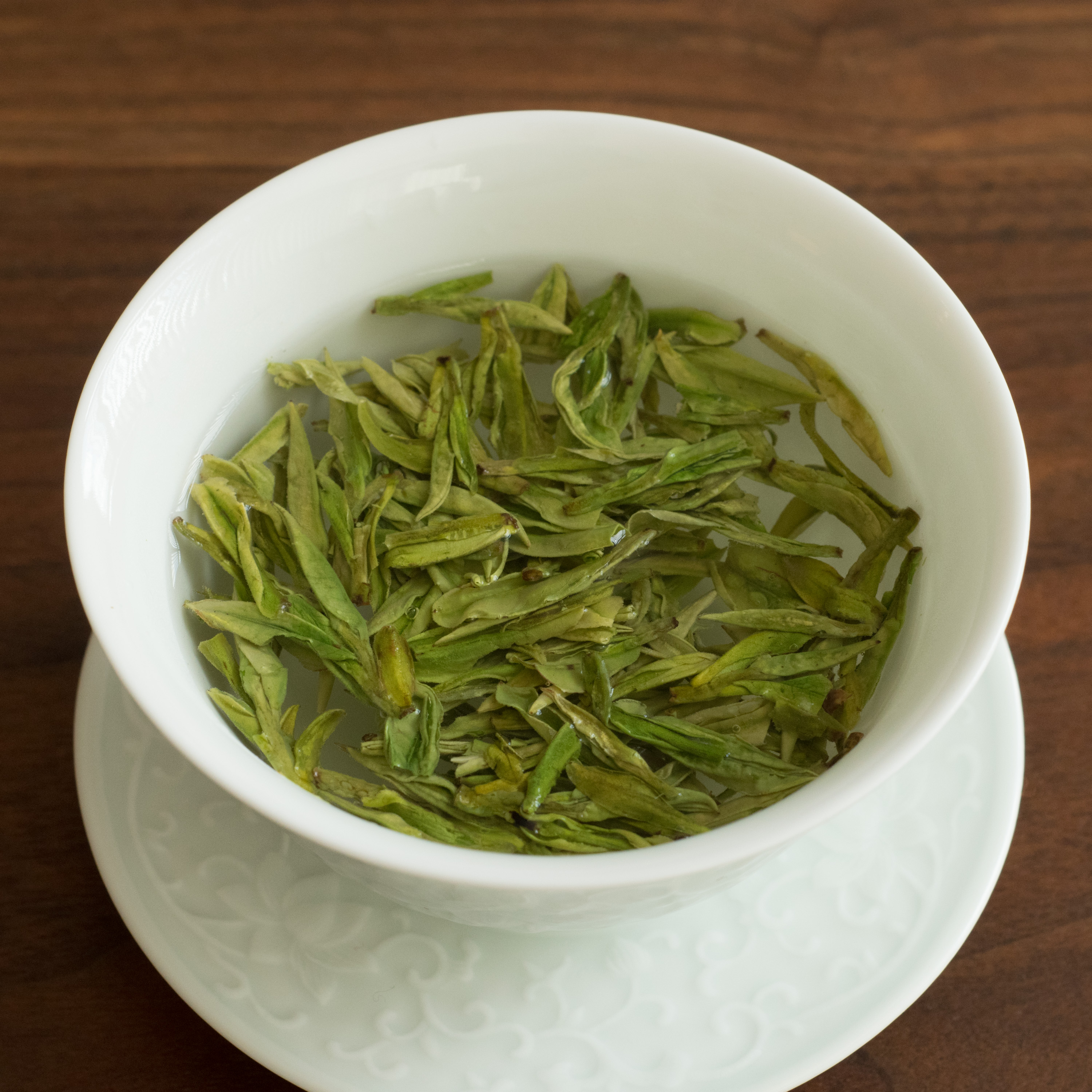
The fundamental difference between tea varieties lies in the oxidation process the Camellia sinensis leaves undergo after harvesting. White tea, minimally processed, is withered and dried, retaining its natural enzymes and delicate flavor. Green tea is quickly heated (steamed or pan-fired, known as shā qīng) to halt oxidation, preserving its fresh, vegetal notes. Yellow tea undergoes a rare "piling" process that causes slight oxidation and mellowing. Oolong tea is partially oxidized, ranging from lightly floral to deeply roasted. Black tea (known as hóng chá or red tea in China) is fully oxidized, yielding robust, malty flavors. Post-fermented teas, like Pu-erh, undergo microbial fermentation after drying, developing complex, earthy profiles that can evolve over years.
📊 Key Facts & Numbers
Globally, over 6 million metric tons of tea are produced annually, with China and India accounting for nearly half of this production. The global tea market was valued at approximately $200 billion USD in 2023 and is projected to grow. Green tea represents about 20% of global consumption, while black tea holds the largest share at over 75%. The average person in the United Kingdom consumes about 1.9 kg (4.2 lbs) of tea per year, a stark contrast to the average American's consumption of roughly 0.2 kg (0.4 lbs). The market for specialty teas, including artisanal varieties and single-origin leaves, is growing at a faster rate than the overall market, indicating a consumer shift towards premium experiences.
👥 Key People & Organizations
While no single individual can claim dominion over all tea varieties, figures like Lu Yu, the 8th-century Chinese scholar and author of The Classic of Tea (Chá Jīng), are foundational. Modern tea cultivation and processing owe much to figures like Sir Thomas Lipton, who popularized tea in the West through his eponymous brand starting in the late 19th century, and Wu De, a contemporary proponent of traditional Chinese tea ceremonies and philosophies. Organizations like the International Tea Committee and national bodies such as the Tea Board of India play crucial roles in regulating, promoting, and researching tea production and trade worldwide.
🌍 Cultural Impact & Influence
Tea varieties are deeply woven into the cultural fabric of societies worldwide. In China, the art of Gongfu Cha showcases the meticulous preparation of oolong and pu-erh. British culture is synonymous with afternoon tea, a ritual often featuring black teas like Earl Grey and Assam. Japan's Chanoyu ceremony is a highly ritualized practice centered around matcha, a powdered green tea. The influence extends to literature, art, and daily social interactions, with tea houses serving as vital community hubs across continents, fostering conversation and connection through shared cups.
⚡ Current State & Latest Developments
The contemporary tea landscape is marked by a surge in interest in single-origin, artisanal, and ethically sourced teas. Consumers are increasingly seeking transparency in production, with a growing demand for fair trade and organic options. Innovations in brewing technology, from advanced tea makers to cold-brew methods, are making tea more accessible and appealing to younger demographics. The rise of online tea retailers and subscription services has democratized access to a wider range of varieties, challenging traditional brick-and-mortar establishments and expanding the global reach of niche producers.
🤔 Controversies & Debates
Debates surrounding tea varieties often center on classification and authenticity. The distinction between Chinese black tea (hóng chá) and Western black tea, for instance, can be a point of contention, with purists emphasizing the historical naming conventions. The authenticity of certain regional specialties, particularly those with protected geographical indications (PGIs) like Darjeeling or Wuyi Oolong, is frequently scrutinized against imitations. Furthermore, the health benefits attributed to various tea types, especially green tea and its antioxidant properties, are subject to ongoing scientific research and sometimes exaggerated marketing claims, leading to skepticism.
🔮 Future Outlook & Predictions
The future of tea varieties points towards greater specialization and sustainability. Expect a continued rise in hyper-local and single-estate teas, emphasizing unique terroir and micro-climates. Climate change poses a significant challenge, potentially altering growing regions and necessitating the development of more resilient Camellia-sinensis cultivars. Innovations in processing technology may unlock new flavor profiles or enhance existing ones, while a growing consumer consciousness around environmental impact will likely drive demand for teas produced with minimal ecological footprints, potentially leading to new certifications and production standards.
💡 Practical Applications
Beyond simple hydration, tea varieties offer a spectrum of practical applications. Green tea extracts are widely used in cosmetics for their antioxidant and anti-inflammatory properties. Certain fermented teas, like pu-erh, are traditionally used in Traditional Chinese Medicine for digestive health. The leaves themselves, once brewed, can be composted and used as a natural fertilizer for gardens. Furthermore, the global tea industry supports millions of livelihoods, from smallholder farmers in Sri Lanka to large-scale plantation workers in Kenya, making it a significant economic driver in numerous countries.
Key Facts
- Category
- culture
- Type
- concept