
Contents
- 🎯 What is Thyroid Hormone Replacement Therapy?
- 🏥 Who Needs Thyroid Hormone Replacement?
- 🔬 How Does it Work? The Science of T3 and T4
- 💊 Types of Thyroid Hormone Medications
- 📈 Monitoring Your Treatment: Labs and Symptoms
- 🤔 Common Debates and Controversies
- ⚖️ Comparing Treatment Options: Natural vs. Synthetic
- ⚠️ Potential Side Effects and Risks
- 💡 Practical Tips for Patients
- 🚀 The Future of Thyroid Management
- 📞 How to Get Started
- Frequently Asked Questions
- Related Topics
Overview
Thyroid hormone replacement therapy is a cornerstone for individuals with hypothyroidism, a condition where the thyroid gland doesn't produce enough hormones. This treatment typically involves synthetic or natural thyroid hormone medications, most commonly levothyroxine (synthetic T4). The goal is to restore normal metabolic function, alleviating symptoms like fatigue, weight gain, and cold intolerance. Dosage is crucial and individualized, requiring regular monitoring through blood tests to ensure optimal levels and prevent over- or under-treatment. While generally safe and effective, understanding potential interactions and side effects is key to successful management.
🎯 What is Thyroid Hormone Replacement Therapy?
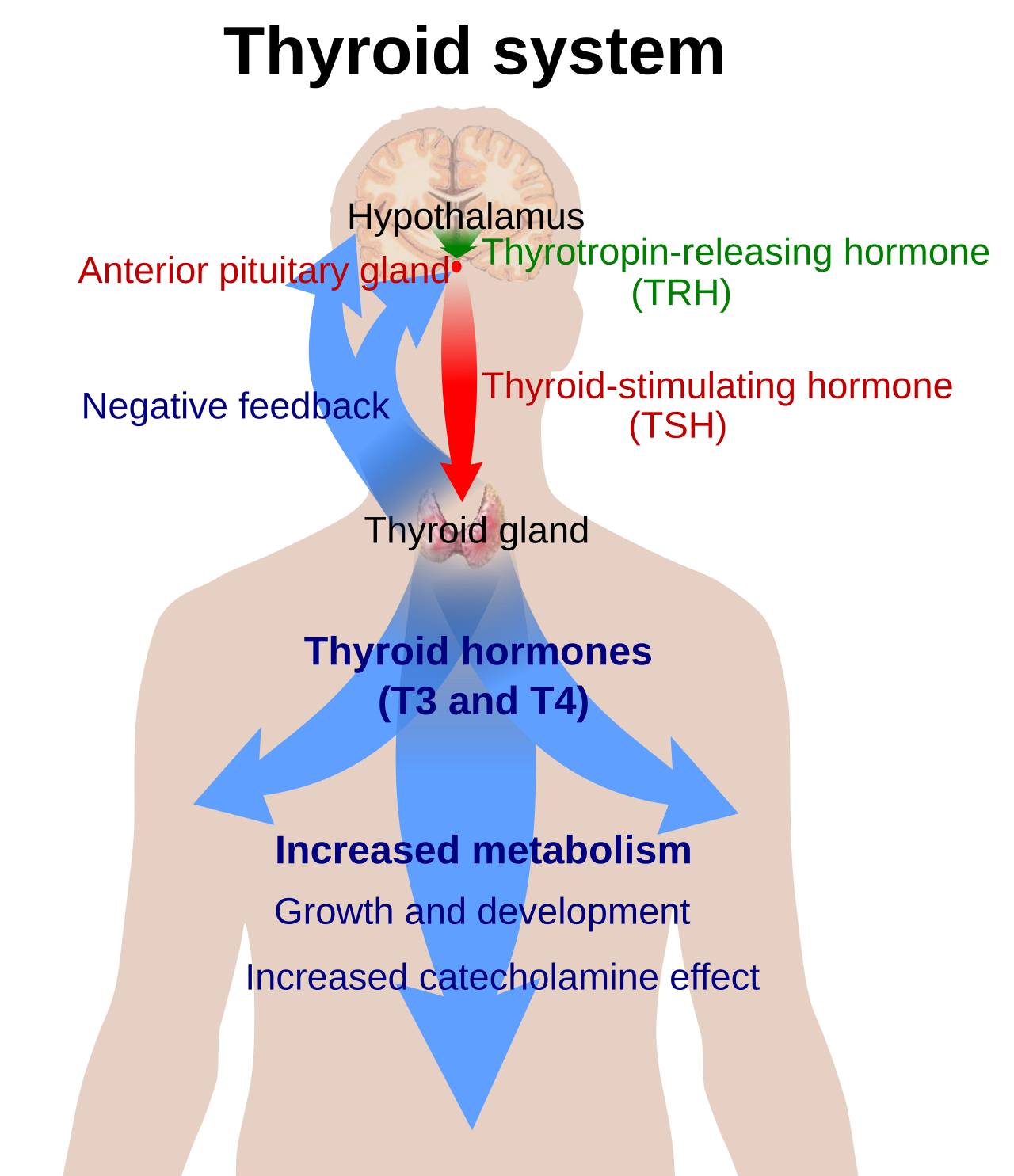
Thyroid Hormone Replacement Therapy (THRT) is a medical treatment designed to restore adequate levels of thyroid hormones in individuals whose thyroid glands are not producing enough. The thyroid gland, a butterfly-shaped organ in the neck, produces two primary hormones: thyroxine (T4) and triiodothyronine (T3). These hormones are critical regulators of metabolism, influencing everything from heart rate and body temperature to digestion and brain function. THRT typically involves taking synthetic or natural thyroid hormone medications daily to mimic the body's natural production, thereby alleviating symptoms associated with hypothyroidism, or an underactive thyroid.
🏥 Who Needs Thyroid Hormone Replacement?
The primary indication for THRT is hypothyroidism, a condition characterized by insufficient thyroid hormone production. This can stem from various causes, including autoimmune diseases like Hashimoto's thyroiditis, thyroid surgery, radiation therapy to the neck, or certain medications. Symptoms of hypothyroidism can be wide-ranging and often insidious, including fatigue, weight gain, cold intolerance, constipation, dry skin, and cognitive impairment. Diagnosis is typically confirmed through blood tests measuring thyroid-stimulating hormone (TSH) and free T4 levels, alongside a thorough clinical evaluation of symptoms.
🔬 How Does it Work? The Science of T3 and T4
Thyroid hormones, T3 and T4, are synthesized from the amino acid tyrosine and iodine. T4 is the primary hormone secreted by the thyroid, acting as a prohormone, while T3 is the more potent, active form. The body converts T4 into T3 in peripheral tissues. These hormones bind to thyroid hormone receptors within cells, influencing gene expression and regulating numerous metabolic processes. THRT aims to provide exogenous T4 and/or T3 to compensate for the thyroid's deficiency, thereby restoring normal physiological function and alleviating hypothyroid symptoms.
💊 Types of Thyroid Hormone Medications
THRT medications fall into several categories. Levothyroxine (synthetic T4) is the most commonly prescribed medication, often available under brand names like Synthroid, Levoxyl, and Tirosint. Liothyronine (synthetic T3) is available as Cytomel. Combination therapies, such as Armour Thyroid or NP Thyroid, are derived from desiccated animal thyroid glands (primarily porcine) and contain both T4 and T3 in a relatively fixed ratio. The choice of medication depends on individual patient needs, physician preference, and response to treatment, with ongoing debate about the optimal formulation.
📈 Monitoring Your Treatment: Labs and Symptoms
Effective THRT requires regular monitoring to ensure hormone levels are within the optimal therapeutic range. This typically involves periodic blood tests to measure TSH and free T4 levels, usually every 6-12 months after stabilization, or more frequently if symptoms change or medication is adjusted. Patients are also encouraged to report any persistent or new symptoms, as these can indicate the need for dosage adjustments. Achieving the right balance is crucial, as both undertreatment and overtreatment can lead to adverse effects.
🤔 Common Debates and Controversies
A significant debate within endocrinology revolves around the optimal treatment strategy for hypothyroidism. While levothyroxine (T4) monotherapy is the standard of care for most patients, a subset of individuals report persistent symptoms despite normalized TSH levels. This has fueled discussions about the potential benefits of adding liothyronine (T3) or using combination T4/T3 therapies, including desiccated thyroid extract. Proponents argue these approaches better mimic natural thyroid physiology, while skeptics caution against potential T3 toxicity and the lack of robust, large-scale clinical trial data supporting their routine use over levothyroxine alone.
⚖️ Comparing Treatment Options: Natural vs. Synthetic
Comparing treatment options involves weighing the pros and cons of synthetic T4, synthetic T3, and desiccated thyroid extract. Levothyroxine is well-studied, has a long half-life, and is generally well-tolerated, making it the first-line choice. Liothyronine is potent and fast-acting but has a shorter half-life, potentially leading to wider fluctuations in hormone levels and increased risk of cardiac side effects if not carefully managed. Desiccated thyroid extract offers a natural source of both hormones but has a fixed T4:T3 ratio, which may not be ideal for all individuals, and can be subject to variability in potency.
⚠️ Potential Side Effects and Risks
While THRT is generally safe and effective, potential side effects can occur, particularly with overtreatment or rapid dose increases. These can include hyperthyroidism symptoms such as rapid heart rate, palpitations, anxiety, tremors, heat intolerance, and weight loss. In rare cases, excessive thyroid hormone can exacerbate heart conditions like atrial fibrillation or angina. Patients with osteoporosis may also be at increased risk of bone loss with over-replacement. Careful titration and regular monitoring are essential to minimize these risks.
💡 Practical Tips for Patients
Patients embarking on THRT should be proactive in their care. It's crucial to take medication consistently, ideally on an empty stomach in the morning, at least 30-60 minutes before breakfast, to ensure optimal absorption. Avoid taking thyroid medication with calcium or iron supplements, or certain foods like soy and high-fiber meals, as these can interfere with absorption. Communicate openly with your endocrinologist or primary care physician about any changes in your health or well-being, and don't hesitate to ask questions about your treatment plan.
🚀 The Future of Thyroid Management
The future of thyroid management may involve more personalized treatment approaches. Advances in understanding thyroid hormone metabolism and receptor function could lead to novel therapeutic agents or refined dosing strategies. Research into the genetic factors influencing thyroid hormone sensitivity and metabolism might enable even more tailored treatments. Furthermore, improved diagnostic tools and a deeper understanding of the complex interplay between the thyroid and other bodily systems could lead to earlier and more accurate diagnoses, potentially reducing the long-term burden of thyroid dysfunction.
📞 How to Get Started
To begin or adjust thyroid hormone replacement therapy, schedule an appointment with an endocrinologist or a primary care physician experienced in thyroid disorders. They will conduct a thorough medical history, physical examination, and order the necessary blood tests to assess your thyroid function. Based on these results and your symptoms, they will discuss treatment options, prescribe medication, and outline a follow-up plan. Do not attempt to self-diagnose or self-medicate; professional medical guidance is essential for safe and effective treatment.
Key Facts
- Year
- 1900
- Origin
- The understanding and treatment of hypothyroidism, leading to hormone replacement, began to solidify in the late 19th and early 20th centuries with the isolation and therapeutic use of thyroid extracts. The development of synthetic levothyroxine in the mid-20th century revolutionized its application, making it a standardized and widely accessible treatment.
- Category
- Medical Treatments
- Type
- Medical Treatment
Frequently Asked Questions
How long does it take for thyroid hormone replacement to work?
The onset of symptom relief can vary, but many patients begin to feel improvements within a few weeks of starting thyroid hormone replacement therapy. Full normalization of hormone levels and resolution of all symptoms may take several months. Consistent daily dosing and regular monitoring are key to achieving optimal therapeutic effects.
Can I switch between different brands of levothyroxine?
While many levothyroxine brands are considered interchangeable, some patients are sensitive to even minor formulation differences. It's generally recommended to stick with one brand once you've found one that works well for you. If you need to switch, discuss it with your doctor and monitor your symptoms and TSH levels closely.
What are the signs that my thyroid medication dose is too high?
Signs of overtreatment can mimic hyperthyroidism. These include a racing heart, palpitations, anxiety, nervousness, tremors, increased sweating, heat intolerance, and unintended weight loss. If you experience these symptoms, contact your doctor immediately for an evaluation and potential dose adjustment.
Can I take thyroid medication with food?
It is generally recommended to take thyroid hormone replacement medication on an empty stomach, at least 30-60 minutes before breakfast, to ensure optimal absorption. Certain foods, like soy products, high-fiber foods, and calcium or iron supplements, can interfere with absorption. Discuss specific dietary considerations with your healthcare provider.
What is the difference between T4 and T3?
T4 (thyroxine) is the primary hormone produced by the thyroid gland and acts as a prohormone. T3 (triiodothyronine) is the more metabolically active form. The body converts T4 into T3 in peripheral tissues. While levothyroxine (synthetic T4) is the standard treatment, some individuals may benefit from the addition of T3 or combination therapy.
Is thyroid hormone replacement therapy lifelong?
For most individuals diagnosed with permanent hypothyroidism, thyroid hormone replacement therapy is a lifelong commitment. The thyroid gland may not regain its ability to produce sufficient hormones. However, in some cases, such as transient hypothyroidism due to postpartum thyroiditis, hormone production may eventually recover, and medication may be discontinued under medical supervision.