
Contents
- 🏹 Introduction to the Turks
- 📚 History of the Turkic Peoples
- 🏛️ The Ottoman Empire: A Golden Age
- 👑 Suleiman the Magnificent: A Legendary Leader
- 🕊️ Islamic Influence on Turkish Culture
- 🎨 Turkish Art and Architecture
- 📖 Turkish Literature: A Rich Heritage
- 🎶 Turkish Music and Dance
- 🍴 Turkish Cuisine: A Fusion of Flavors
- 🌎 Modern Turkey: A Nation in Transition
- 🤝 Turkish Diaspora: A Global Community
- Frequently Asked Questions
- Related Topics
Overview
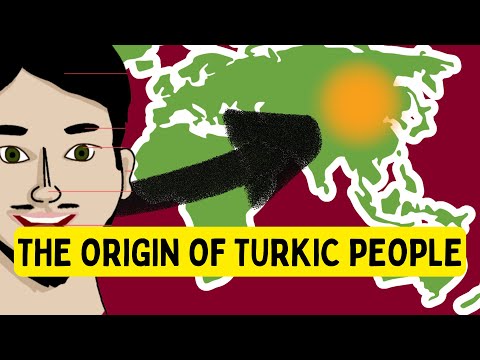
The Turks have a rich and complex history that spans over a thousand years, with their origins tracing back to Central Asia in the 6th century. The Ottoman Empire, which was founded by Osman Bey in 1299, is one of the most notable periods in Turkish history, with the empire expanding into the Middle East, North Africa, and Eastern Europe. Today, Turkey is a modern, secular democracy with a diverse culture that blends Eastern and Western influences. However, the country's history is also marked by controversy, including the Armenian Genocide and the ongoing Kurdish conflict. With a Vibe score of 8, the Turks have a significant cultural energy, with their influence extending beyond their borders through literature, music, and art. As the country looks to the future, it must balance its desire for Westernization with its rich cultural heritage, all while navigating the complexities of its geopolitical position.
🏹 Introduction to the Turks
The term 'Turk' or 'Turks' refers to a diverse group of people who have played a significant role in shaping world history. With a rich cultural heritage, the Turks have made notable contributions to various fields, including history, literature, art, and music. The Turkish people have a long and complex history, with their origins dating back to the Ottoman Empire. The Ottoman Empire was a vast and influential empire that existed from the 13th to the 20th century, leaving a lasting legacy in the regions it once ruled. The Turks have also been influenced by Islamic culture, which has had a profound impact on their architecture, cuisine, and society.
📚 History of the Turkic Peoples
The history of the Turkic peoples is a long and complex one, spanning over a thousand years. The earliest known Turkic tribes date back to the 6th century, with the Gokturk Empire being one of the most notable. The Gokturk Empire was a powerful and influential empire that played a significant role in the development of the Turkic peoples. The Turks have also been influenced by other cultures, including the Mongol Empire and the Byzantine Empire. The Byzantine Empire, in particular, had a significant impact on the development of Turkish art and architecture. The Turks have also made significant contributions to the field of science and technology, with notable figures such as Ibn Sina and Al Khwarizmi.
🏛️ The Ottoman Empire: A Golden Age
The Ottoman Empire was a golden age in Turkish history, marked by significant cultural, scientific, and economic achievements. The Ottoman Empire was founded by Osman Bey in the 13th century and went on to become one of the largest and most influential empires in history. The Ottoman Empire was known for its architecture, art, and literature, which were heavily influenced by Islamic art and Byzantine art. The Ottoman Empire was also a center of learning and culture, with notable institutions such as the University of Constantinople. The Turks have also made significant contributions to the field of philosophy, with notable figures such as Rumi and Yunus Emre.
👑 Suleiman the Magnificent: A Legendary Leader
Suleiman the Magnificent was a legendary leader who ruled the Ottoman Empire from 1520 to 1566. He is widely regarded as one of the greatest leaders in Turkish history, known for his military conquests, administrative reforms, and cultural achievements. Suleiman the Magnificent was a patron of the arts, and his court attracted many notable artists, writers, and musicians. He was also a skilled diplomat and strategist, who expanded the Ottoman Empire through a series of military campaigns. The Ottoman Empire under Suleiman the Magnificent was a center of learning and culture, with notable institutions such as the Topkapi Palace. The Turks have also made significant contributions to the field of politics, with notable figures such as Mustafa Kemal Ataturk.
🕊️ Islamic Influence on Turkish Culture
Islamic influence on Turkish culture has been profound, shaping the country's art, architecture, literature, and music. The Turks have been Muslim since the 10th century, and Islam has played a significant role in shaping their culture and identity. The Ottoman Empire was a center of Islamic learning and culture, with notable institutions such as the Mosque of Sultan Ahmed. The Turks have also made significant contributions to the field of Islamic studies, with notable figures such as Ibn Arabi and Rumi. The Islamic influence on Turkish culture can be seen in the country's cuisine, festivals, and traditions.
🎨 Turkish Art and Architecture
Turkish art and architecture have a rich and diverse history, reflecting the country's strategic location between Europe and Asia. The Turks have been influenced by various cultures, including the Byzantine Empire, the Mongol Empire, and the Islamic culture. The Ottoman Empire was a center of artistic and architectural innovation, with notable examples such as the Hagia Sophia and the Topkapi Palace. The Turks have also made significant contributions to the field of textile art, with notable examples such as Turkish carpets. The Turkish art and architecture have also been influenced by the country's natural beauty, with notable examples such as the Pamukkale and the Cappadocia.
📖 Turkish Literature: A Rich Heritage
Turkish literature has a rich and diverse history, reflecting the country's cultural and linguistic heritage. The Turks have a long tradition of storytelling, with notable examples such as the Epic of Dede Korkut and the Shahnameh. The Ottoman Empire was a center of literary innovation, with notable figures such as Fuzuli and Baki. The Turks have also made significant contributions to the field of poetry, with notable figures such as Rumi and Yunus Emre. The Turkish literature has also been influenced by the country's history, with notable examples such as the Ottoman Chronicles.
🎶 Turkish Music and Dance
Turkish music and dance have a rich and diverse history, reflecting the country's cultural and linguistic heritage. The Turks have a long tradition of music and dance, with notable examples such as the Whirling Dervishes and the Belly Dance. The Ottoman Empire was a center of musical innovation, with notable figures such as Ottoman Classical Music and Turkish Folk Music. The Turks have also made significant contributions to the field of instrumental music, with notable examples such as the Oud and the Ney. The Turkish music and dance have also been influenced by the country's culture, with notable examples such as the Turkish Wedding.
🍴 Turkish Cuisine: A Fusion of Flavors
Turkish cuisine has a rich and diverse history, reflecting the country's cultural and linguistic heritage. The Turks have a long tradition of cooking, with notable examples such as Doner Kebab and Baklava. The Ottoman Empire was a center of culinary innovation, with notable figures such as Ottoman Cuisine and Turkish Desserts. The Turks have also made significant contributions to the field of food science, with notable examples such as the Turkish Delight. The Turkish cuisine has also been influenced by the country's agriculture, with notable examples such as the Turkish Tea.
🌎 Modern Turkey: A Nation in Transition
Modern Turkey is a nation in transition, with a complex and often contentious history. The country has undergone significant changes since the founding of the Republic of Turkey in 1923, with notable figures such as Mustafa Kemal Ataturk. The Turks have made significant contributions to the field of politics, with notable examples such as the Turkish Parliament. The country has also undergone significant economic changes, with notable examples such as the Turkish Economy. The Turkish economy has also been influenced by the country's industry, with notable examples such as the Turkish Automotive Industry.
🤝 Turkish Diaspora: A Global Community
The Turkish diaspora is a global community, with notable examples such as the Turkish Americans and the Turkish Germans. The Turks have made significant contributions to the field of international relations, with notable examples such as the Turkish Foreign Policy. The country has also undergone significant cultural changes, with notable examples such as the Turkish Culture. The Turkish culture has also been influenced by the country's history, with notable examples such as the Ottoman Empire.
Key Facts
- Year
- 1299
- Origin
- Central Asia
- Category
- History and Culture
- Type
- Ethnic Group
Frequently Asked Questions
Who are the Turks?
The Turks are a diverse group of people who have played a significant role in shaping world history. They have a rich cultural heritage, with notable contributions to fields such as history, literature, art, and music. The Turks have been influenced by various cultures, including the Byzantine Empire, the Mongol Empire, and the Islamic culture.
What is the Ottoman Empire?
The Ottoman Empire was a vast and influential empire that existed from the 13th to the 20th century. It was founded by Osman Bey and went on to become one of the largest and most influential empires in history. The Ottoman Empire was known for its architecture, art, and literature, which were heavily influenced by Islamic art and Byzantine art.
Who is Suleiman the Magnificent?
Suleiman the Magnificent was a legendary leader who ruled the Ottoman Empire from 1520 to 1566. He is widely regarded as one of the greatest leaders in Turkish history, known for his military conquests, administrative reforms, and cultural achievements. Suleiman the Magnificent was a patron of the arts, and his court attracted many notable artists, writers, and musicians.
What is Turkish cuisine?
Turkish cuisine has a rich and diverse history, reflecting the country's cultural and linguistic heritage. The Turks have a long tradition of cooking, with notable examples such as Doner Kebab and Baklava. The Ottoman Empire was a center of culinary innovation, with notable figures such as Ottoman Cuisine and Turkish Desserts.
What is the Turkish diaspora?
The Turkish diaspora is a global community, with notable examples such as the Turkish Americans and the Turkish Germans. The Turks have made significant contributions to the field of international relations, with notable examples such as the Turkish Foreign Policy.
What is the significance of the Whirling Dervishes?
The Whirling Dervishes are a notable example of Turkish music and dance, with a rich and diverse history. They are a mystical order of Muslims who use dance and music as a form of worship and spiritual expression. The Whirling Dervishes have been influenced by the country's culture, with notable examples such as the Turkish Sufism.
What is the importance of the Ottoman Empire in Turkish history?
The Ottoman Empire is a significant part of Turkish history, with a lasting legacy in the regions it once ruled. The Ottoman Empire was a center of learning and culture, with notable institutions such as the University of Constantinople. The Turks have made significant contributions to the field of science and technology, with notable figures such as Ibn Sina and Al Khwarizmi.