
Contents
- 🎵 Origins & History
- ⚙️ Architectural & Engineering Marvel
- 📊 Key Facts & Numbers
- 👥 Architects, Builders & Key Figures
- 🌍 Cultural Impact & Influence
- ⚡ Current State & Latest Developments
- 🤔 Controversies & Debates
- 🔮 Future Outlook & Predictions
- 💡 Visitor Experience & Accessibility
- 📚 Related Topics & Deeper Reading
- References
Overview
The genesis of the United States Capitol Building can be traced back to the Residence Act of 1790, which designated a new federal district along the Potomac River. President George Washington selected the site on Jenkins Hill, later renamed Capitol Hill, for the "President's House" and the "Congress House." A design competition was held, with the winning entry submitted by amateur architect William Thornton, though his design underwent significant revisions by subsequent architects like Stephen Hallet, George Hadfield, and James Hoban (who also designed the White House). Construction commenced, with President Washington laying the cornerstone. The first congressional session within the partially completed building occurred. The structure suffered damage during the War of 1812 when British forces set fire to it, necessitating extensive repairs and rebuilding led by Charles Bulfinch, who also oversaw the installation of the original dome. The building continued to expand throughout the 19th century with the addition of the House and Senate wings, dramatically increasing its footprint and capacity.
⚙️ Architectural & Engineering Marvel
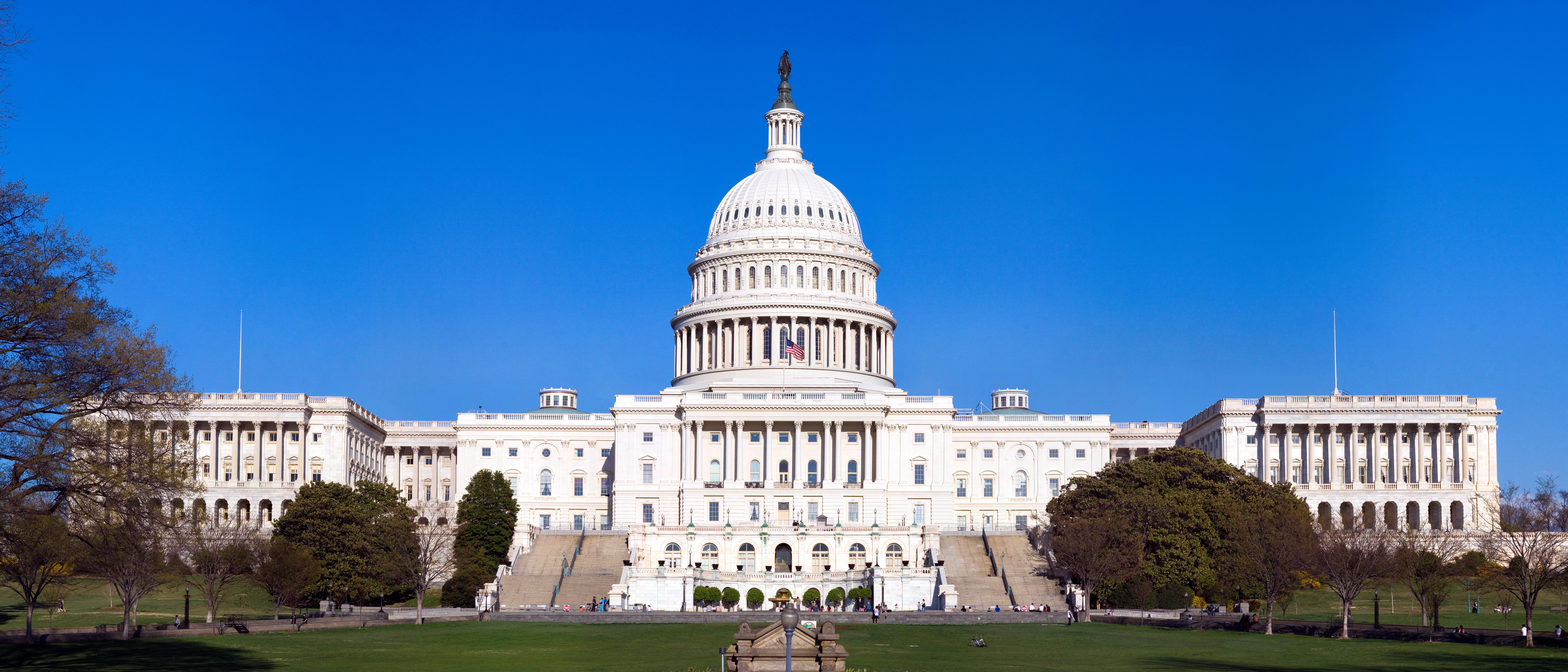
The Capitol Building is a monumental example of neoclassical architecture, designed to evoke the grandeur of ancient Greek and Roman republics. Its most striking feature is the massive cast-iron dome, engineered by Thomas U. Walter, which stands approximately 288 feet (88 meters) tall and weighs approximately 9 million pounds (4,000 metric tons). The dome's construction utilized over 4,000 tons of iron, a testament to 19th-century engineering prowess, and it is crowned by the Statue of Freedom. Inside, the Rotunda serves as a central gathering space, adorned with historical paintings by artists like John Trumbull and Constantino Brumidi, including the frescoed "Apotheosis of Washington." The building's infrastructure includes complex heating and cooling systems, intricate electrical networks, and extensive security measures, all integrated into its historic fabric by various architectural and engineering firms over centuries, including the Architect of the Capitol.
📊 Key Facts & Numbers
The Capitol Building covers an impressive 1.5 million square feet of floor space. The iconic dome reaches a height of 288 feet (88 meters) from the ground to the tip of the Statue of Freedom. The structure contains over 600 windows and 365 steps leading up to the East Front. The Capitol Complex, which includes the Capitol Building, contains 16.5 acres of roof area. The cost of the original construction and subsequent expansions has run into hundreds of millions of dollars, with ongoing maintenance and renovation projects costing tens of millions annually. The building's infrastructure supports an estimated 4,000 tons of iron in its dome alone.
👥 Architects, Builders & Key Figures
While William Thornton is credited with the winning design, the Capitol's realization involved a succession of talented architects and builders. Benjamin Henry Latrobe significantly shaped the building's interior and oversaw its reconstruction after the 1814 fire. Charles Bulfinch completed the central dome and the original wings. Later, Thomas U. Walter designed the expanded House and Senate wings and the monumental cast-iron dome. The Architect of the Capitol's office has been responsible for the continuous stewardship, maintenance, and renovation of the building since its inception, employing countless engineers, craftspeople, and project managers. Key figures in its legislative history include Speakers of the House and Senate Majority Leaders who have presided over debates within its chambers.
🌍 Cultural Impact & Influence
The U.S. Capitol Building is more than just a government edifice; it's a potent symbol deeply embedded in the American psyche and global consciousness. Its image is synonymous with American democracy, appearing on currency, in news broadcasts, and in countless films and artworks. It serves as the stage for presidential inaugurations, the State of the Union address, and the solemn ceremonies honoring fallen leaders. The building's architecture has influenced countless public buildings worldwide, and its dome is an instantly recognizable global icon. However, its symbolic weight also makes it a target for protest and dissent, as seen in events like the anti-war demonstrations of the 1960s and the attack on January 6, 2021, highlighting its role as a focal point for both national unity and division.
⚡ Current State & Latest Developments
The Capitol Building is in a constant state of evolution, undergoing continuous maintenance, security upgrades, and restoration projects. The Architect of the Capitol's office oversees these efforts, ensuring the building's structural integrity and functional capacity. Recent years have seen significant investments in security enhancements, particularly following the January 6th attack, including the installation of new barriers and surveillance systems. Ongoing renovations aim to preserve its historic fabric while modernizing its systems for energy efficiency and accessibility. The Capitol Visitor Center, opened in 2008, has fundamentally changed the visitor experience, providing a secure and educational entry point for millions annually.
🤔 Controversies & Debates
The Capitol Building has been the site of numerous controversies and debates throughout its history. The very design and construction were subject to political wrangling and funding disputes. The expansion of the building in the mid-19th century, particularly the addition of the dome, occurred during the Civil War, a period of intense national division, with some questioning the expenditure. More recently, the attack on January 6, 2021, by supporters of then-President Donald Trump, brought intense scrutiny to the building's security vulnerabilities and its symbolic meaning. Debates continue regarding the preservation of historical elements versus modernization, the management of public access, and the building's role as a site for both governance and protest.
🔮 Future Outlook & Predictions
The future of the U.S. Capitol Building will likely involve continued adaptation to evolving security needs, technological advancements, and the demands of a growing legislative body and public interest. The Architect of the Capitol's office will undoubtedly continue its work on preservation and modernization, potentially exploring sustainable energy solutions and enhanced digital infrastructure. As a living monument, its role as a symbol of American democracy will continue to be tested and redefined by future events, political shifts, and societal changes. The ongoing challenge will be to balance its historical significance with its functional requirements as the active seat of American government.
💡 Visitor Experience & Accessibility
Visiting the U.S. Capitol Building offers a profound glimpse into the workings of American democracy. Public tours, typically guided, are available through the U.S. Capitol Visitor Center, which provides an immersive introduction to the building's history and significance. Visitors can explore spaces like the Rotunda, the National Statuary Hall, and the Old Senate Chamber. Access to the House and Senate galleries requires passes obtained through a member of Congress. Security is stringent, with all visitors undergoing screening similar to airport security. The Visitor Center also houses exhibits, a cafe,
Key Facts
- Category
- history
- Type
- topic