
Contents
Overview
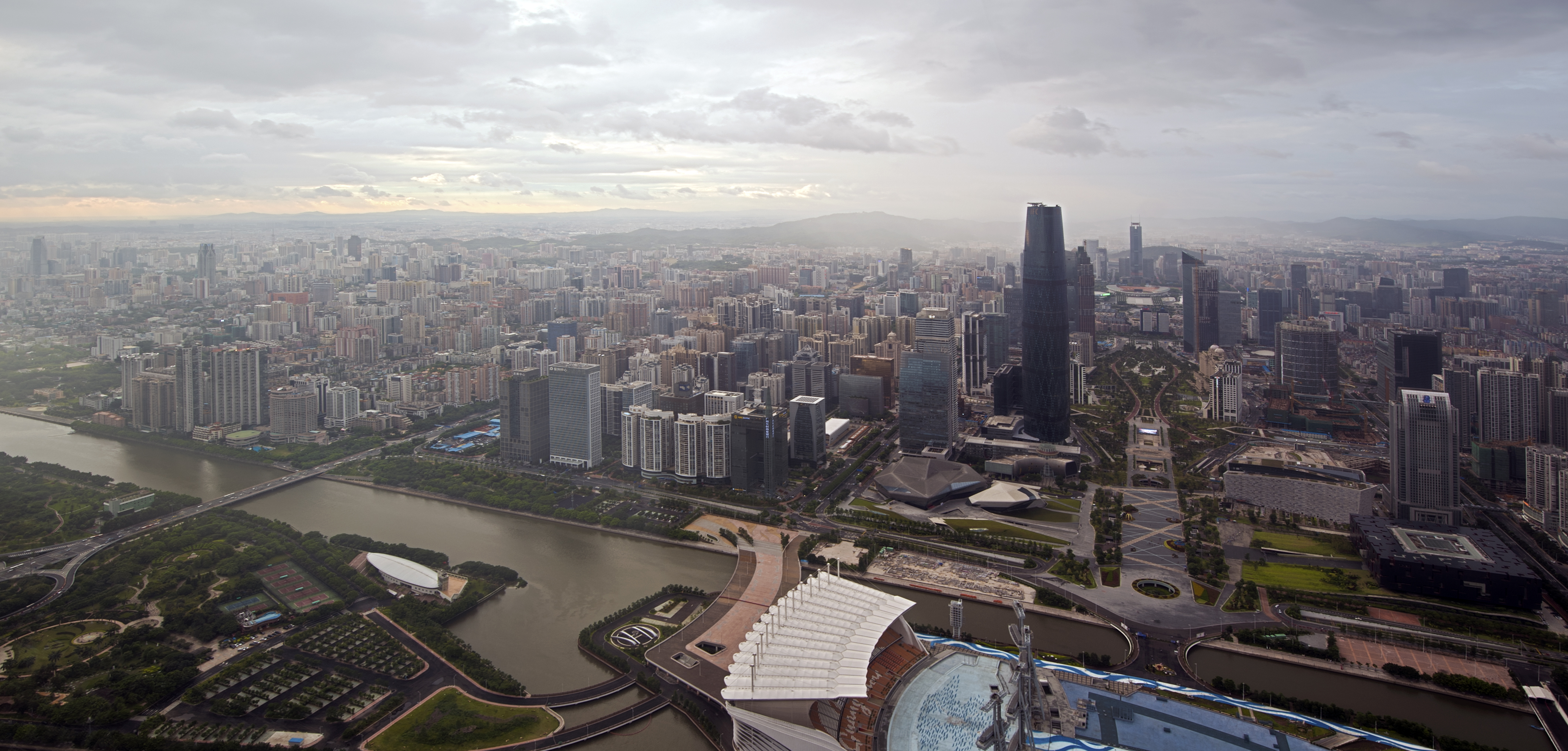
The roots of urbanization stretch back to the earliest agricultural settlements, where surplus food production allowed for the concentration of populations in proto-cities. However, the modern era of rapid urbanization truly began with the Industrial Revolution. Innovations in manufacturing, transportation, and communication, pioneered by figures like James Watt and George Stephenson, drew millions from agrarian lifestyles to burgeoning industrial centers in cities like Manchester and London. This period saw an unprecedented population density increase, transforming social structures and laying the groundwork for the global urban landscape we see today, as documented by early urban theorists like Friedrich Engels in his observations of Victorian cities.
⚙️ How It Works
Urbanization operates through a complex interplay of economic, social, and environmental factors. Primarily, it's driven by the concentration of economic opportunities in urban areas, attracting labor from rural regions seeking better employment and higher wages, a phenomenon often studied by Georg Simmel. This migration fuels urban growth, leading to the expansion of infrastructure, housing, and services. Sociologically, cities offer greater access to education, healthcare, and diverse social networks, acting as magnets for individuals and families. Environmental factors, such as climate change and resource scarcity in rural areas, can also accelerate this shift, forcing populations to seek more stable environments, as explored in studies by the United Nations on climate-induced migration.
📊 Key Facts & Numbers
The scale of global urbanization is staggering. Asia and Africa are experiencing the most rapid urbanization rates. The sheer volume of this demographic shift places immense pressure on urban infrastructure, with estimates suggesting trillions of dollars are needed globally to upgrade and expand these systems.
👥 Key People & Organizations
Key figures in understanding urbanization include Ernest Burgess, whose concentric zone model (1925) described urban land use patterns, and Jane Jacobs, a fierce critic of mid-20th-century urban planning who championed vibrant, mixed-use neighborhoods. International organizations like the UN-Habitat play a crucial role in monitoring and guiding urban development worldwide, advocating for sustainable urban policies. Major metropolitan areas like Tokyo, Delhi, and Shanghai exemplify the scale of modern urban centers, each facing unique challenges in governance and resource management, often shaped by the policies of national governments and city-level administrations.
🌍 Cultural Impact & Influence
Urbanization profoundly shapes culture, fostering diversity, innovation, and new forms of social interaction. Cities have historically been crucibles for art, music, and intellectual movements, from the Renaissance flourishing in Florence to the Jazz Age in New York City. The anonymity and density of urban life can lead to both increased social fragmentation and novel forms of community building, as explored in sociological studies of urban sociology. Furthermore, urbanization influences consumption patterns, media dissemination, and the adoption of new technologies, creating distinct urban lifestyles that often influence broader societal trends, as seen in the global spread of fast fashion and digital communication platforms like WhatsApp.
⚡ Current State & Latest Developments
The current state of urbanization is marked by rapid growth in developing nations and a focus on sustainability and smart city initiatives in developed ones. Megacities continue to expand, often outpacing infrastructure development, leading to challenges like informal settlements, traffic congestion, and pollution. In response, cities like Singapore are pioneering 'smart city' technologies, integrating data and AI to manage resources, transportation, and public services more efficiently. The COVID-19 pandemic also prompted discussions about urban resilience and the potential for distributed work models to alter traditional migration patterns, though evidence of a large-scale urban exodus remains limited, with many returning to cities post-pandemic.
🤔 Controversies & Debates
Urbanization is fraught with controversies, primarily concerning equity, environmental impact, and governance. Critics argue that rapid, unplanned urbanization exacerbates social inequalities, creating slums with inadequate access to basic services while wealthier areas benefit from improved infrastructure, a dynamic often observed in cities like Mumbai. Environmental concerns are paramount, with urban areas being major contributors to resource depletion, and habitat destruction. Debates also rage over urban planning approaches, with clashes between top-down, large-scale development projects and bottom-up, community-led initiatives, as exemplified by the ongoing discussions surrounding gentrification in many Western cities.
🔮 Future Outlook & Predictions
The future of urbanization points towards continued growth, particularly in Africa and Asia, with an increasing number of megacities and the rise of 'polycentric' urban regions. Experts predict a greater emphasis on resilient and sustainable urban design, incorporating green infrastructure, renewable energy, and circular economy principles. The concept of the '15-minute city,' where essential services are accessible within a short walk or bike ride, is gaining traction as a model for livable urban environments. However, challenges remain regarding financing urban development, managing climate change impacts like sea-level rise and extreme weather events, and ensuring inclusive growth that benefits all residents, not just the affluent.
💡 Practical Applications
Urbanization trends have direct practical applications across numerous sectors. Urban planning and design rely heavily on understanding population density, migration patterns, and infrastructure needs to create functional and livable cities. Real estate development, transportation logistics, and public service provision (water, sanitation, energy) are all directly shaped by urbanization dynamics. Furthermore, economic forecasting and investment strategies often consider the growth and consumption patterns of urban populations. Companies like Uber and Airbnb have emerged by capitalizing on urban mobility and housing needs, demonstrating how understanding these trends can unlock new business opportunities.
Key Facts
- Category
- phenomenon
- Type
- phenomenon