
Contents
- 🐳 What is Whaling?
- 📜 Origins: From Subsistence to Industry
- 🌍 Global Expansion: The Golden Age of Whaling
- 💰 Economic Impact: Blubber, Baleen, and Beyond
- 📉 Decline and Controversy: The Fight for Survival
- ⚖️ Modern Whaling: A Lingering Debate
- 🐋 Species Under Pressure: A Look at the Victims
- 💡 Key Takeaways for Understanding Whaling
- Frequently Asked Questions
- Related Topics
Overview
Whaling, the practice of hunting whales, boasts a history stretching back millennia, evolving from essential subsistence for coastal communities to a global industrial enterprise driven by demand for oil, baleen, and meat. Early methods were often perilous, relying on small boats and harpoons, while the 19th and 20th centuries saw the advent of steam-powered ships and explosive harpoons, dramatically increasing catch efficiency and leading to severe population declines for many whale species. Today, whaling is a deeply contentious issue, with a few nations continuing commercial or aboriginal subsistence hunts, while international bodies like the International Whaling Commission (IWC) have largely banned commercial whaling, creating a complex geopolitical and ethical debate.
🐳 What is Whaling?
Whaling, at its most fundamental, is the practice of hunting whales for their valuable products. Historically, this meant harvesting meat for sustenance and, more significantly, blubber which rendered into whale oil. This oil was a crucial commodity, powering lamps and lubricating machinery during the Industrial Revolution. Beyond oil, whalebone (baleen) found use in corsets and other flexible items, while ambergris, a substance from sperm whale digestive systems, was highly prized in perfumery. Understanding whaling requires looking beyond the simple act of the hunt to the complex economic and social systems it spawned across centuries and continents.
📜 Origins: From Subsistence to Industry
Pinpointing the absolute first instance of organized whaling is elusive, but the earliest documented evidence of a well-established industry emerges from the Basque coastal regions of Spain and France around 1026 AD. These early whalers, likely building on centuries of subsistence hunting, developed sophisticated techniques for pursuing and processing whales, particularly the North Atlantic right whale. This regional expertise soon became the seed from which a global industry would sprout, demonstrating how localized knowledge can catalyze widespread economic activity and resource exploitation.
🌍 Global Expansion: The Golden Age of Whaling
From its Basque origins, whaling rapidly expanded across the North Atlantic, reaching Norway, England, and eventually the United States by the 17th and 18th centuries. The 19th century marked the true zenith of the industry, with fleets venturing into the Pacific and Southern Oceans. Voyages could last years, targeting rich whale populations along migration routes. Ports like Nantucket and New Bedford in Massachusetts became epicenters of this global enterprise, showcasing the immense reach and ambition of 19th-century maritime commerce and the relentless pursuit of marine resources.
💰 Economic Impact: Blubber, Baleen, and Beyond
The economic engine of whaling was undeniably whale oil. Its high quality and abundance made it superior to other available fuels for lighting and industrial lubrication, driving demand and profitability. Baleen, too, was a significant product, fetching high prices for its use in fashion and manufacturing. The pursuit of these commodities fueled exploration, shipbuilding, and international trade, creating fortunes for whaling captains, merchants, and nations. The sheer economic weight of whale products profoundly shaped global markets for centuries, illustrating the power of a single natural resource to drive economic development.
📉 Decline and Controversy: The Fight for Survival
By the late 19th and early 20th centuries, the success of whaling had led to the severe depletion of many whale populations. Species like the blue whale and humpback whale were driven to the brink of extinction. This ecological crisis spurred conservation movements and led to increasing calls for regulation. The establishment of the International Whaling Commission (IWC) in 1946 was a landmark effort to manage whale stocks, though its effectiveness was debated for decades. The widespread recognition of species endangerment marked a critical turning point, shifting the narrative from exploitation to preservation.
⚖️ Modern Whaling: A Lingering Debate
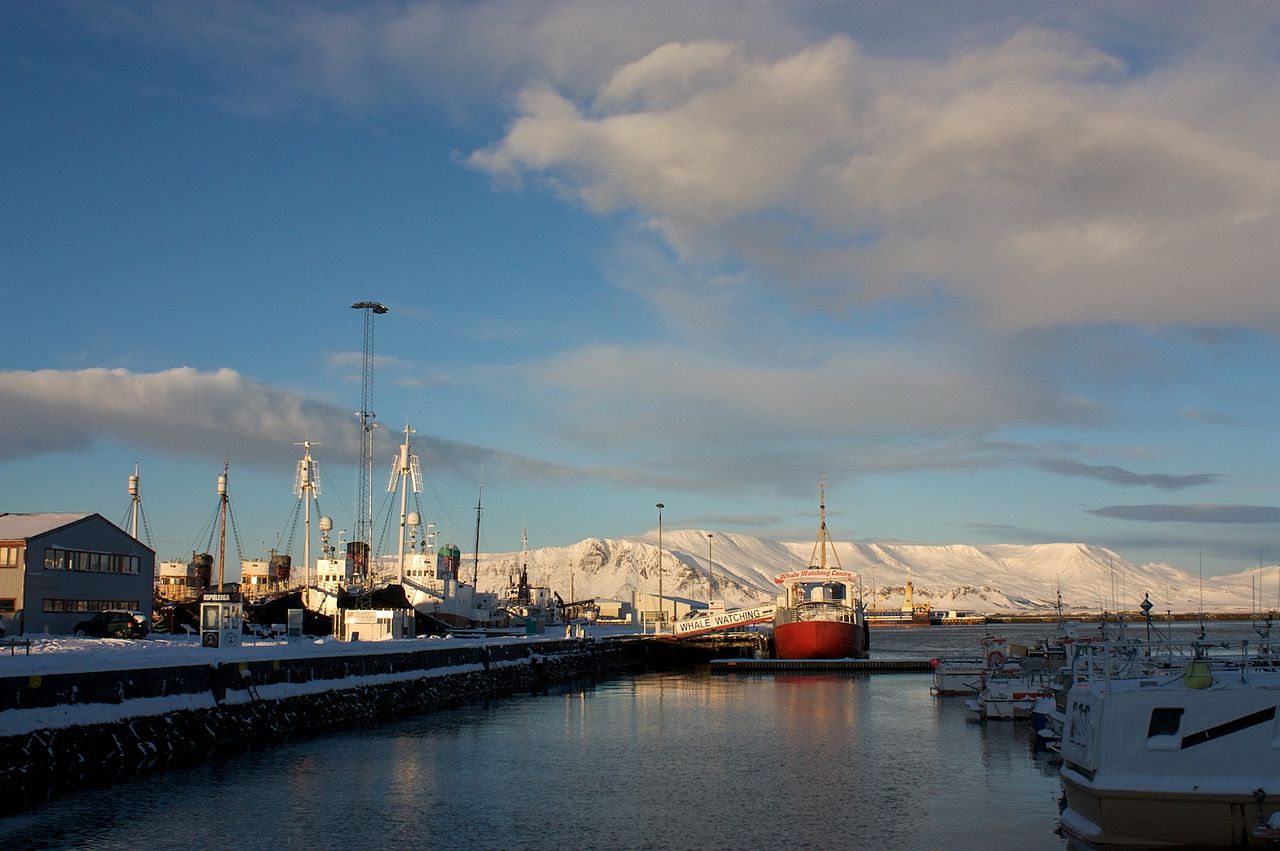
Despite international bans and widespread conservation efforts, whaling persists in a few nations, most notably Norway, Iceland, and Japan. These countries often maintain that their whaling practices are sustainable and culturally significant, a stance that remains highly contentious. The debate centers on scientific assessments of whale populations, the ethics of hunting sentient beings, and the economic viability of modern whaling operations. This ongoing controversy highlights the deep divisions in global perspectives on wildlife conservation and resource utilization.
🐋 Species Under Pressure: A Look at the Victims
The impact of centuries of intensive hunting has been devastating for many whale species. The North Atlantic right whale, for instance, is critically endangered, with fewer than 350 individuals remaining, primarily due to ship strikes and fishing gear entanglement, though historical whaling played a role in its initial decline. Similarly, populations of sperm whales, fin whales, and humpback whales were decimated. While some species have shown signs of recovery since the advent of commercial whaling bans, the long-term ecological consequences and the slow reproductive rates of these marine mammals mean recovery is a protracted process.
💡 Key Takeaways for Understanding Whaling
Whaling is a complex historical phenomenon, intertwining economic ambition with ecological consequence. Its legacy is etched not only in the annals of maritime history but also in the precarious state of many whale populations today. Understanding the motivations behind the hunt, the scale of its global reach, and the eventual push for conservation provides crucial context for contemporary debates about wildlife management and the ethical treatment of marine life. The story of whaling is a stark reminder of humanity's capacity for both exploitation and, hopefully, eventual stewardship of the natural world.
Key Facts
- Year
- Ancient - Present
- Origin
- Global
- Category
- History & Culture
- Type
- Topic
Frequently Asked Questions
When did organized whaling begin?
The earliest documented evidence of a well-established whaling industry dates back to 1026 AD, originating from the Basque coastal regions of Spain and France. While subsistence hunting of whales likely occurred much earlier, this period marks the beginning of whaling as a significant economic activity with organized fleets and processing methods.
What were the main products of whaling?
The primary products were whale oil, derived from blubber, which was essential for lighting and industrial lubrication during the Industrial Revolution. Other valuable products included baleen (whalebone) used in corsets and flexible items, and ambergris, a rare substance from sperm whales used in perfumery. Whale meat was also consumed in many cultures.
Which countries were historically major whaling nations?
Historically, major whaling nations included Spain, France, Norway, England, the Netherlands, and the United States. By the 19th century, American whalers, in particular, had expanded their operations globally, reaching the Pacific and Southern Oceans.
Why did commercial whaling decline?
Commercial whaling declined primarily due to the severe depletion of whale populations, driving many species to the brink of extinction. Growing conservation movements and international efforts, culminating in bans and quotas managed by organizations like the International Whaling Commission, led to the cessation of large-scale commercial whaling.
Does whaling still occur today?
Yes, limited commercial whaling still occurs in a few countries, including Norway, Iceland, and Japan. These nations often justify their practices based on sustainability claims and cultural heritage, though they remain subjects of international controversy and debate.
What is the current status of whale populations?
The status varies greatly by species. Many populations that were heavily exploited, such as blue whales and humpback whales, are now protected and showing signs of recovery, though the process is slow. However, some species, like the North Atlantic right whale, remain critically endangered due to a combination of historical whaling and ongoing threats such as ship strikes and fishing gear entanglement.