
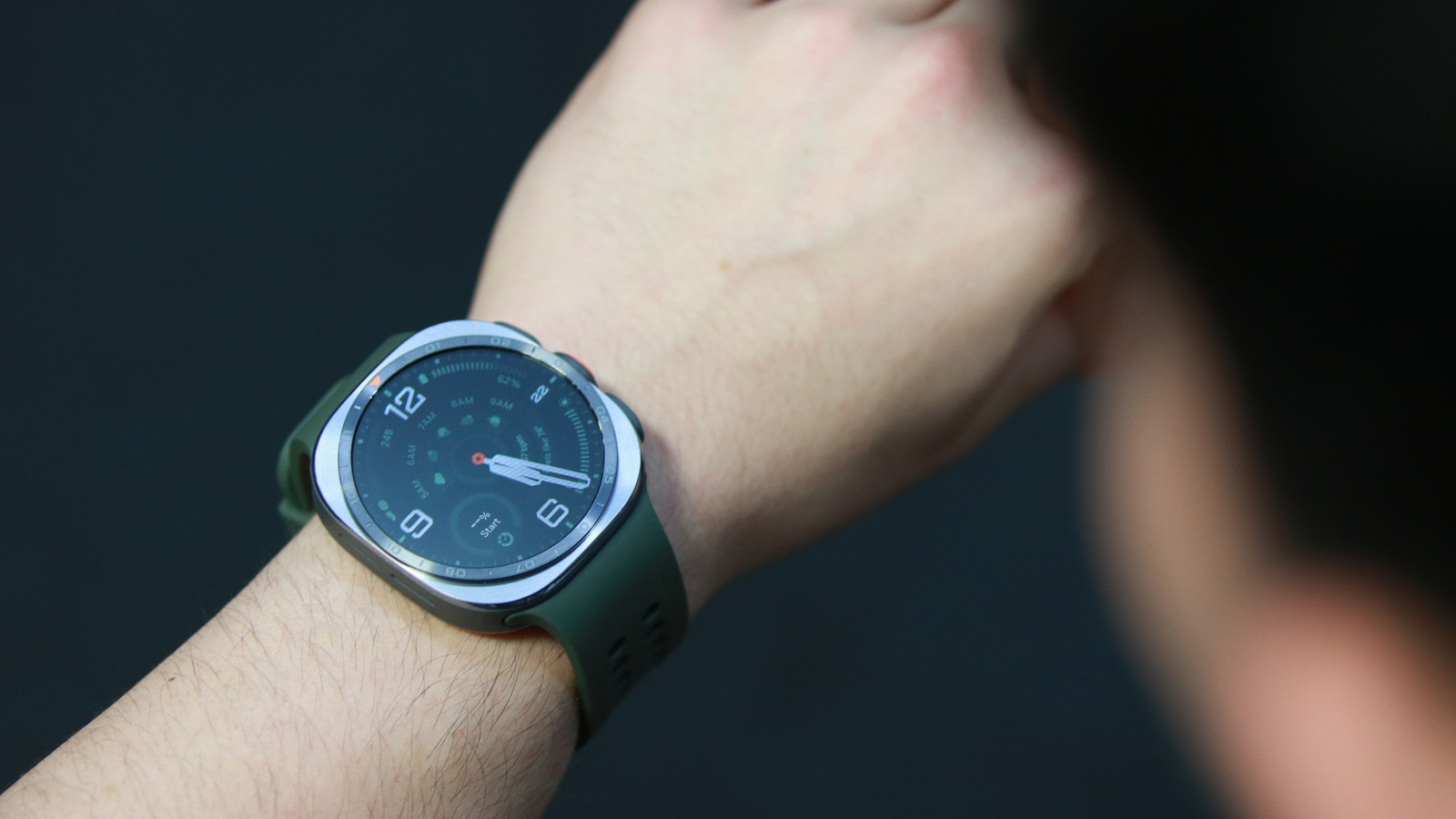
Summary
After a week of testing the **Samsung Galaxy Watch Ultra 2**, reviewers have noted significant improvements over its predecessor, particularly in display brightness and battery life. With a peak brightness of **5,000 nits** and a **35% larger battery** at **800mAh**, the Ultra 2 aims to cater to rugged users who demand durability and functionality. However, while the watch boasts new health-tracking features and a refined design, questions remain about its overall value compared to competitors like the **Apple Watch Ultra**.
Key Takeaways
- The Galaxy Watch Ultra 2 features a peak brightness of 5,000 nits, a significant upgrade.
- Its battery capacity has increased to 800mAh, offering a 35% boost over the previous model.
- The watch is designed for outdoor enthusiasts, with new health-tracking features tailored for rugged use.
- Despite improvements, its $700 price tag raises questions about its overall value.
- User testing was limited due to illness, leaving some features untested in real-world conditions.
Balanced Perspective
The Galaxy Watch Ultra 2 presents a series of hardware updates, including a **1.52-inch display** and a **10.7mm thickness**, which are incremental improvements. While the watch is designed for rugged use, the actual user experience during testing was limited due to illness. The new features, such as **Trail Run tracking**, are noteworthy, but the overall impact of these changes on daily usability remains to be fully assessed.
Optimistic View
The Galaxy Watch Ultra 2 is a promising upgrade that caters to outdoor enthusiasts with its **brighter display** and **enhanced battery life**. The collaboration with **Mares** for diving features and the introduction of new health metrics like **Daily Cardio Load** show Samsung's commitment to innovation. Users can expect a more comfortable experience thanks to its lighter weight and thinner profile, making it a compelling choice for those who value both functionality and style.
Critical View
Despite the upgrades, the Galaxy Watch Ultra 2 faces skepticism regarding its **$700 price tag** and whether the enhancements justify the cost. The reliance on health-tracking features may not appeal to all users, especially if they are not outdoor enthusiasts. Additionally, the watch's design changes, while refined, may not be enough to sway users from established competitors like the **Apple Watch Ultra**, which has a strong market presence.
Source
Originally reported by Engadget