
Contents
Overview
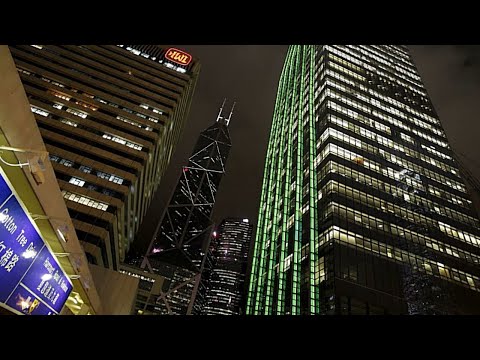
The Bank of China Tower isn't just a skyscraper; it's a statement piece in Hong Kong's legendary skyline. Designed by I.M. Pei, this 70-story marvel, completed in 1990, stands as a potent symbol of Chinese influence in the former British colony. Its distinctive, angular form, resembling a bamboo shoot, cuts a sharp silhouette against the more conventional glass and steel structures, making it an unmissable landmark for anyone exploring the Central district. Whether you're an architecture enthusiast or simply seeking an iconic view, this building offers a unique perspective on Hong Kong's dynamic urban identity.
📍 Location & Access
You'll find the Bank of China Tower strategically located at 1 Garden Road, Central, Hong Kong Island. This prime position places it at the heart of the city's financial district, easily accessible by public transport. The nearest Mass Transit Railway (MTR) station is Central Station, a short walk away. Numerous bus routes also serve the area, making it convenient to reach from various parts of Hong Kong. Its proximity to other major attractions like Victoria Harbour and The Peak also makes it a logical stop on any sightseeing itinerary.
📐 Architectural Significance
The architectural genius of I.M. Pei is undeniable here. The Bank of China Tower eschews traditional skyscraper forms for a bold, geometric design. Its structure is based on a series of triangular prisms that rise towards the sky, creating a dynamic and visually striking appearance. The exterior is clad in aluminum panels and glass, reflecting the surrounding cityscape and the sky. The building's controversial feng shui implications, particularly its sharp edges pointing towards other buildings, have been widely discussed, adding a layer of intrigue to its design narrative.
💡 Visitor Experience & Viewing
While the tower's upper floors are primarily occupied by the Bank of China (Hong Kong) headquarters, visitors can access certain areas for panoramic views. The observation deck, though not as extensive as some other Hong Kong viewpoints, offers a compelling vista of Victoria Harbour, Kowloon, and the surrounding Hong Kong Island skyline. It's a fantastic spot for photography, especially during sunset or at night when the city lights up. Be aware that access policies can change, so it's wise to check current visitor information before your trip.
💰 Cost & Practicalities
Entry to the building's public viewing areas is typically free of charge, which is a significant draw compared to other paid observation decks in the city. However, specific facilities or temporary exhibitions might incur a fee. The operational hours for public access can vary, often aligning with business hours but sometimes extending for specific events. It's advisable to confirm the current visiting times directly with the building management or through their official channels to avoid disappointment.
🍽️ Nearby Amenities
The Bank of China Tower is situated in a bustling commercial and financial hub, meaning a plethora of dining and shopping options are within easy reach. You'll find everything from high-end restaurants in nearby Pacific Place to casual eateries and local dim sum spots in the surrounding streets. For shoppers, the Landmark and IFC Mall are also a short walk away, offering a wide range of luxury brands and department stores. The area is well-equipped to cater to diverse tastes and budgets.
🌟 What People Say
Visitors often praise the Bank of China Tower for its striking architecture and its iconic status in Hong Kong's visual identity. Many appreciate the unique design by I.M. Pei and the building's symbolic importance. While some reviews mention that the observation deck might be smaller than anticipated, the unobstructed views and the lack of an entrance fee are frequently highlighted as major positives. The building's presence is consistently described as a must-see for anyone interested in Hong Kong's urban development and architectural achievements.
🆚 Alternatives in Hong Kong
When considering Hong Kong's skyline, the Bank of China Tower stands out, but it's not your only option for impressive views and architectural interest. The International Commerce Centre (ICC) offers the Sky100 Hong Kong Observation Deck, providing a higher vantage point and a more modern visitor experience. For a more historical perspective, the former Legislative Council Building offers colonial-era architecture. If it's sheer height and panoramic vistas you seek, The Peak remains a classic, albeit often crowded, choice with its own unique charm and accessibility via the Peak Tram.
🚀 Getting There & Around
Reaching the Bank of China Tower is straightforward. From the Central MTR Station, take Exit D2 and follow the signs towards the building; it's about a 5-10 minute walk. If you're arriving by Star Ferry, you'll disembark at the Central Ferry Piers, from which it's a slightly longer but manageable walk or a short taxi ride. Taxis are readily available throughout Hong Kong and are a convenient option, especially if you're coming from further afield or have mobility concerns. The building is well-signposted once you are in the Central district.
🤔 Planning Your Visit
To make the most of your visit to the Bank of China Tower, it's recommended to check the official website for the most current information on public access hours and any potential temporary closures. Consider visiting during daylight hours for clear views of the harbor and city, and then perhaps returning in the evening to witness the spectacular nightscape. Wear comfortable shoes, as you'll likely be doing some walking around the Central district. Combining your visit with nearby attractions like Hong Kong Park or the Man Mo Temple can create a well-rounded day of exploration.
Key Facts
- Year
- 1990
- Origin
- Hong Kong
- Category
- Architecture & Urban Landmarks
- Type
- Building
Frequently Asked Questions
Is there an entrance fee for the Bank of China Tower?
Generally, access to the public viewing areas of the Bank of China Tower is free of charge. This makes it a very accessible landmark for tourists and locals alike. However, it's always a good idea to verify current policies, as specific exhibitions or events might have associated costs. Unlike many other observation decks in Hong Kong, the basic viewing experience here doesn't require a ticket purchase.
What are the best times to visit for views?
For clear, panoramic views of Victoria Harbour and the surrounding cityscape, daylight hours are ideal. Sunset offers a particularly dramatic transition as the city lights begin to twinkle. For a truly dazzling experience, visiting after dark to see Hong Kong's famous light show is highly recommended. Weekdays might be less crowded than weekends, allowing for a more relaxed viewing experience.
Can I go to the top of the Bank of China Tower?
While the Bank of China Tower is a functioning office building, specific floors are accessible to the public for viewing purposes. You can visit the observation deck areas to take in the cityscape. However, you won't have access to all floors, as many are private corporate spaces. The accessible areas are designed to provide excellent vantage points of Hong Kong.
How do I get to the Bank of China Tower?
The tower is easily accessible via public transport. The closest MTR station is Central Station, with a short walk from Exit D2. Numerous bus routes also serve the area. Taxis are a convenient option, and the building is well-signposted within the Central district.
What is the architectural style of the Bank of China Tower?
The Bank of China Tower is a prime example of modernist architecture with a distinctive deconstructivist influence. Designed by I.M. Pei, its structure is characterized by sharp angles and geometric forms, notably the series of triangular prisms that ascend the building. The use of aluminum panels and glass contributes to its sleek, futuristic appearance, setting it apart from more conventional skyscraper designs.
Are there any controversies surrounding the Bank of China Tower?
Yes, the tower has been subject to considerable discussion, particularly regarding its feng shui implications. Its sharp, angular design, with pointed corners directed towards other buildings, was perceived by some as potentially inauspicious or aggressive according to traditional Chinese geomancy. This aspect has added a layer of cultural debate to its architectural legacy.