
Contents
Overview
Formed in 1976 in Hermosa Beach, California, Black Flag became one of the most influential bands in the American punk rock scene. Their relentless approach to music and their unwavering commitment to the DIY ethos laid the groundwork for the hardcore punk movement. With iconic frontmen like Henry Rollins and a distinctive sound that fused elements of punk, metal, and avant-garde, Black Flag pushed the boundaries of what punk could be and transformed the genre forever. Their groundbreaking albums, including Damaged and My War, are considered essential listening for anyone interested in the evolution of punk music.
Early Life & Influences
Black Flag emerged from the vibrant Southern California punk scene, heavily influenced by bands like The Ramones and The Stooges. Founding guitarist Greg Ginn was a driving force behind the band's sound, blending fast tempos with dissonant guitar riffs that were ahead of their time. Their early music was raw and aggressive, reflecting the rebellious spirit of the punk movement, and they quickly became known for their intense live performances that often pushed the limits of endurance.
Career & Discography
The band's musical career took off with the release of their debut album, Damaged in 1981, which featured the iconic track 'Rise Above.' This album marked a significant turning point in punk history, showcasing their unique blend of speed, aggression, and lyrical depth. Subsequent albums like My War and Slip It In further solidified their reputation as pioneers of hardcore punk. Black Flag's lineup saw significant changes over the years, with notable members including Henry Rollins, whose powerful vocals and stage presence brought a new energy to the band.
Legacy & Influence
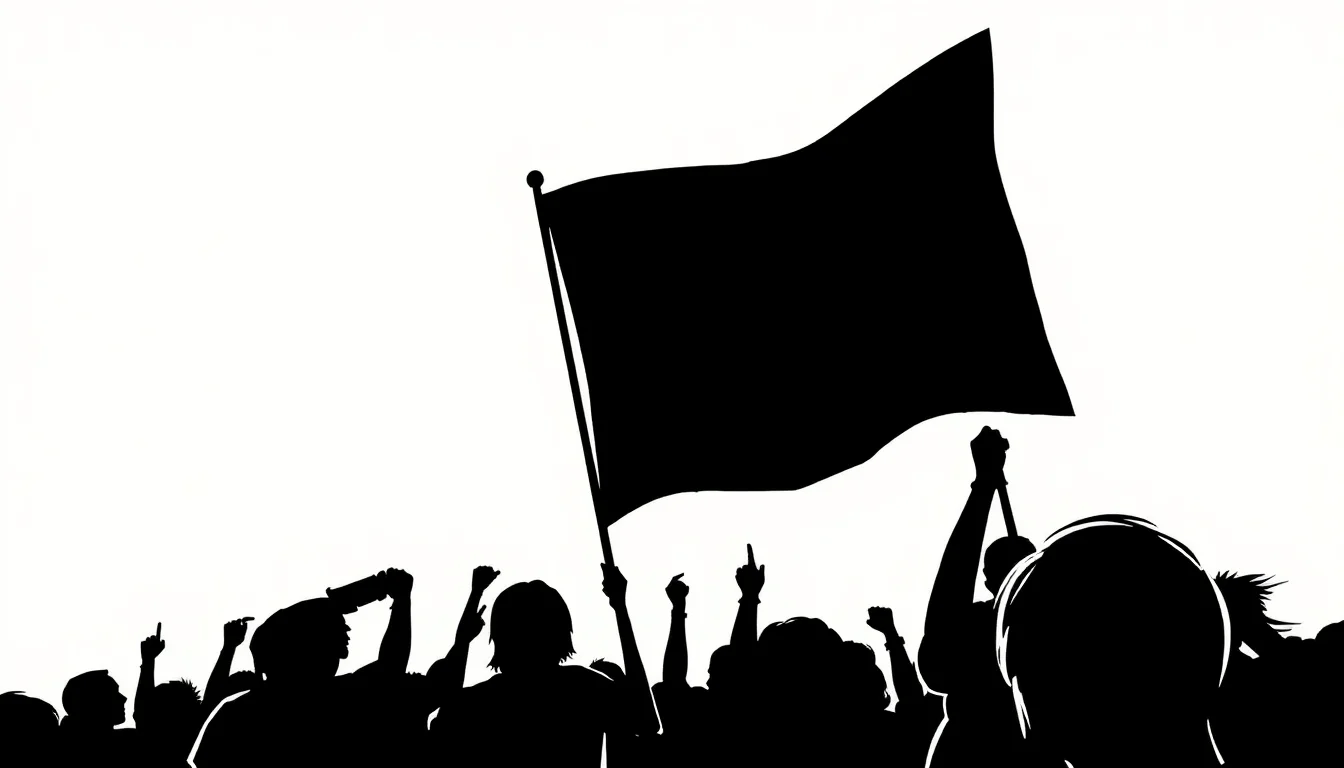
Black Flag's legacy is immense, influencing countless artists across genres, from punk to metal and beyond. Their DIY approach to music distribution and touring changed how artists operated, inspiring bands like Minor Threat and Bad Religion. Their iconic logo, designed by Raymond Pettibon, has become synonymous with punk culture and is still widely recognized today.
Cultural Impact
Culturally, Black Flag's impact extends beyond music; they embodied the spirit of rebellion and self-expression that defined punk rock. Their confrontational lyrics tackled issues such as mental health, alienation, and societal norms, resonating with a generation seeking authenticity. The band's influence can be seen in various movements, including straight edge and DIY culture, which continue to thrive in underground scenes around the world.
Key Facts
- Year
- 1976-1986
- Origin
- Hermosa Beach, California
- Category
- music
- Type
- artist
Frequently Asked Questions
What is the most famous Black Flag song?
While "Rise Above" from the Damaged album is arguably their most iconic and widely recognized track, "TV Party" also holds significant cultural cachet for its satirical take on suburban conformity. Other fan favorites include "Gimmie Me Back," "Wasted," and "My War." The band's extensive catalog means "famous" can be subjective, but these tracks consistently appear in discussions of their essential work.
Who was the lead singer of Black Flag?
Black Flag had several vocalists throughout its history, but the most prominent and enduring was Henry Rollins, who joined in 1979 and remained with the band until their initial breakup in 1986. Prior to Rollins, notable vocalists included Keith Morris and Dez Cadena. Rollins's intense stage presence and distinctive vocal delivery became synonymous with the band's most influential period.
What does the Black Flag logo represent?
The iconic Black Flag logo, often referred to as the 'four bars,' was designed by Raymond Pettibon, Greg Ginn's brother. It's intentionally abstract and open to interpretation, but it's widely understood as a symbol of anarchy, rebellion, and defiance against authority. Its stark simplicity made it instantly recognizable and a powerful emblem for the band and the punk movement.
Is Black Flag still active?
Black Flag has experienced several reunions and periods of activity since their initial dissolution in 1986. The most significant reunion occurred in 2013 with a lineup featuring Greg Ginn and Ron Reyes. While the band's lineup and activity have been inconsistent, former members, particularly Henry Rollins and Greg Ginn, remain active in music and other creative pursuits, often reflecting on their Black Flag legacy.
What is the difference between Black Flag and other punk bands?
Black Flag distinguished themselves through their relentless sonic aggression, often incorporating elements of noise and dissonance that pushed the boundaries of punk. Their commitment to a grueling DIY touring schedule, playing hundreds of shows a year in often-unconventional venues, set them apart. Furthermore, their lyrical themes, while often angry and rebellious, also delved into darker, more introspective territory, particularly in their later work, showcasing a complexity not always found in earlier punk acts.