
Contents
- 🌐 Introduction to Co-Creation
- 💡 The History of Co-Creation
- 📈 Benefits of Co-Creation
- 🤝 Co-Creation in Business
- 📊 Co-Creation Metrics and Evaluation
- 🌈 Co-Creation and Diversity
- 🚀 Co-Creation in the Digital Age
- 🤖 Co-Creation and Artificial Intelligence
- 📚 Co-Creation Case Studies
- 📊 Co-Creation and ROI
- 🌐 The Future of Co-Creation
- Frequently Asked Questions
- Related Topics
Overview
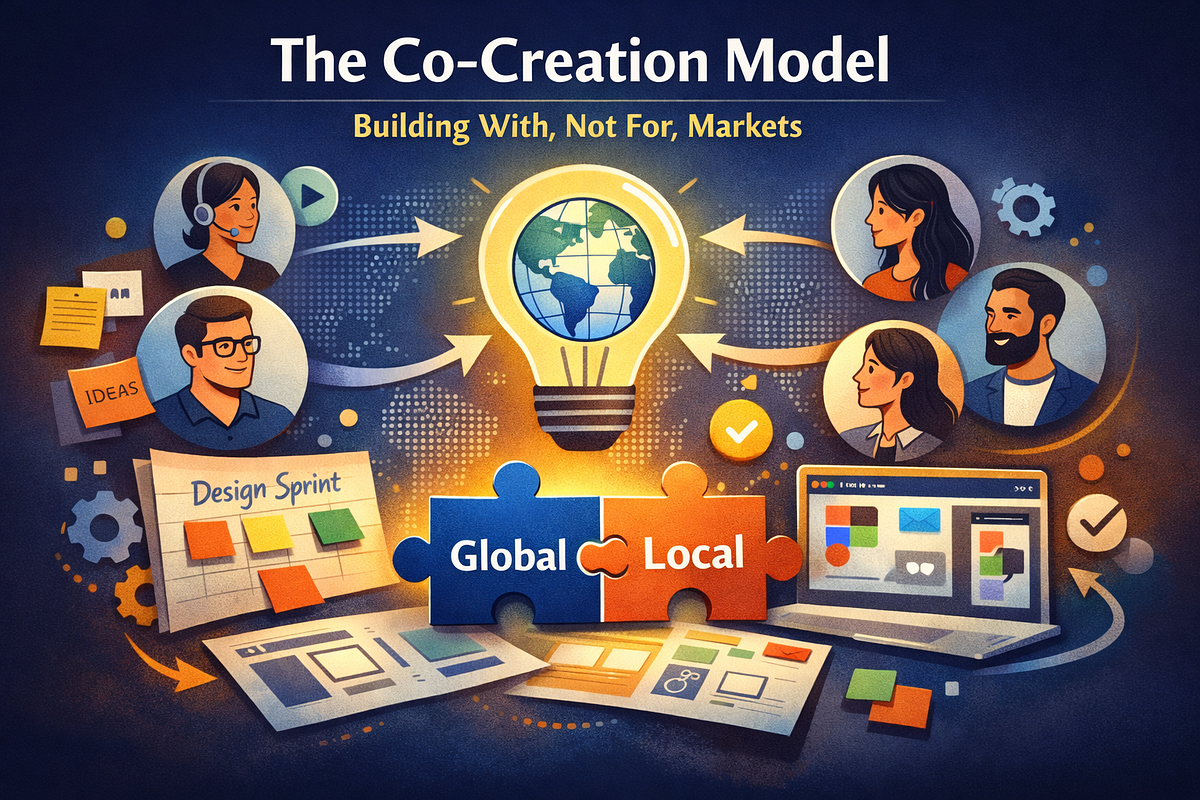
Co-creation, a concept that originated in the 1990s, has gained significant traction in recent years. It refers to the collaborative process of creating value between multiple stakeholders, including customers, employees, and partners. Companies like LEGO, Nike, and Starbucks have successfully implemented co-creation strategies, resulting in increased customer engagement, improved product development, and enhanced brand loyalty. For instance, LEGO's Ideas platform has led to the creation of numerous popular products, including the NASA Apollo Saturn V and the Old Fishing Store. With the rise of digital technologies, co-creation has become more accessible and efficient, enabling organizations to tap into the collective intelligence of their stakeholders. As co-creation continues to evolve, it is likely to have a profound impact on various industries, from healthcare to finance, and will require companies to rethink their traditional business models and embrace a more collaborative and customer-centric approach. According to a study by Forrester, companies that adopt co-creation strategies can experience a 20-30% increase in customer satisfaction and a 15-20% increase in revenue growth. Furthermore, co-creation has also been linked to increased innovation, with a study by Harvard Business Review finding that co-created products are more likely to be successful and generate higher revenues. As the co-creation landscape continues to unfold, it will be interesting to see how companies navigate the challenges and opportunities associated with this approach, and how it will ultimately shape the future of business and innovation.
🌐 Introduction to Co-Creation
Co-creation is a business strategy that involves collaborating with customers, employees, or partners to create value. This approach has been gaining popularity in recent years, with many companies adopting co-creation as a way to drive innovation and growth. As co-creation expert, Frank Piller, notes, co-creation is about creating value together with others. Companies like LEGO and IKEA have successfully implemented co-creation strategies, resulting in increased customer engagement and loyalty. For example, LEGO's LEGO Ideas platform allows fans to submit and vote on new product ideas. This approach has led to the creation of several successful products, including the Minecraft-themed LEGO sets. Co-creation can also be used to improve internal processes, such as innovation management and product development.
💡 The History of Co-Creation
The concept of co-creation has been around for decades, with roots in participatory design and cooperative management. However, it wasn't until the early 2000s that co-creation started to gain traction as a business strategy. C.K. Prahalad and Venkat Ramaswamy are often credited with popularizing the concept of co-creation in their 2000 paper, Co-creation. Since then, co-creation has been adopted by companies across various industries, including technology, healthcare, and finance. As Eric von Hippel notes, co-creation is a key driver of innovation and growth. Companies like Dell and Starbucks have used co-creation to improve their products and services, resulting in increased customer satisfaction and loyalty.
📈 Benefits of Co-Creation
Co-creation offers several benefits, including increased customer engagement, improved product development, and enhanced innovation. By involving customers in the creation process, companies can gain valuable insights into their needs and preferences. This can lead to the development of more effective solutions, as seen in the case of Apple's App Store. Co-creation can also help companies to reduce costs and improve efficiency, as it allows them to tap into the collective knowledge and expertise of their customers and partners. As John Hagel notes, co-creation is a key driver of business model innovation. Companies like Google and Amazon have used co-creation to drive innovation and growth, resulting in increased revenue and market share.
🤝 Co-Creation in Business
Co-creation is being used in various business contexts, including product development, marketing, and customer service. Companies like Procter & Gamble and Unilever have used co-creation to develop new products and services, resulting in increased customer satisfaction and loyalty. Co-creation can also be used to improve internal processes, such as supply chain management and human resource management. As Gary Hamel notes, co-creation is a key driver of organizational innovation. Companies like IBM and Microsoft have used co-creation to drive innovation and growth, resulting in increased revenue and market share.
📊 Co-Creation Metrics and Evaluation
Evaluating the effectiveness of co-creation strategies can be challenging, as it requires measuring the impact of co-creation on business outcomes. Companies can use metrics such as customer satisfaction, net promoter score, and return on investment to evaluate the effectiveness of their co-creation strategies. As Don Norman notes, co-creation is a key driver of user experience. Companies like Cisco and Oracle have used co-creation to improve their products and services, resulting in increased customer satisfaction and loyalty. Co-creation can also be used to improve internal processes, such as innovation management and product development.
🌈 Co-Creation and Diversity
Co-creation can also be used to promote diversity and inclusion, by involving diverse stakeholders in the creation process. This can lead to the development of more effective solutions, as seen in the case of IBM's diversity and inclusion initiatives. Co-creation can also help companies to tap into the collective knowledge and expertise of their customers and partners, resulting in increased innovation and growth. As Shoshana Zuboff notes, co-creation is a key driver of surveillance capitalism. Companies like Facebook and Twitter have used co-creation to drive innovation and growth, resulting in increased revenue and market share.
🚀 Co-Creation in the Digital Age
The digital age has enabled new forms of co-creation, such as crowdsourcing and open innovation. Companies like Kickstarter and Indiegogo have used co-creation to fund new products and services, resulting in increased innovation and growth. Co-creation can also be used to improve internal processes, such as product development and marketing. As Clay Shirky notes, co-creation is a key driver of social media. Companies like LinkedIn and YouTube have used co-creation to drive innovation and growth, resulting in increased revenue and market share.
🤖 Co-Creation and Artificial Intelligence
Co-creation can also be used in conjunction with artificial intelligence to drive innovation and growth. Companies like Google and Microsoft have used co-creation to develop new AI-powered products and services, resulting in increased customer satisfaction and loyalty. Co-creation can also be used to improve internal processes, such as supply chain management and human resource management. As Andrew Ng notes, co-creation is a key driver of AI innovation. Companies like Amazon and Facebook have used co-creation to drive innovation and growth, resulting in increased revenue and market share.
📚 Co-Creation Case Studies
Several companies have successfully implemented co-creation strategies, resulting in increased innovation and growth. For example, LEGO's LEGO Ideas platform allows fans to submit and vote on new product ideas. This approach has led to the creation of several successful products, including the Minecraft-themed LEGO sets. Co-creation can also be used to improve internal processes, such as innovation management and product development. As Eric von Hippel notes, co-creation is a key driver of innovation and growth. Companies like Dell and Starbucks have used co-creation to improve their products and services, resulting in increased customer satisfaction and loyalty.
📊 Co-Creation and ROI
Co-creation can also be used to drive revenue growth, by involving customers in the creation process. Companies like Apple and Google have used co-creation to develop new products and services, resulting in increased revenue and market share. Co-creation can also be used to improve internal processes, such as supply chain management and human resource management. As John Hagel notes, co-creation is a key driver of business model innovation. Companies like IBM and Microsoft have used co-creation to drive innovation and growth, resulting in increased revenue and market share.
🌐 The Future of Co-Creation
The future of co-creation is likely to involve increased use of artificial intelligence and machine learning. Companies like Google and Microsoft are already using co-creation to develop new AI-powered products and services, resulting in increased customer satisfaction and loyalty. Co-creation can also be used to improve internal processes, such as innovation management and product development. As Andrew Ng notes, co-creation is a key driver of AI innovation. Companies like Amazon and Facebook have used co-creation to drive innovation and growth, resulting in increased revenue and market share.
Key Facts
- Year
- 2022
- Origin
- Denmark
- Category
- Business and Technology
- Type
- Concept
Frequently Asked Questions
What is co-creation?
Co-creation is a business strategy that involves collaborating with customers, employees, or partners to create value. This approach has been gaining popularity in recent years, with many companies adopting co-creation as a way to drive innovation and growth. As Frank Piller notes, co-creation is about creating value together with others. Companies like LEGO and IKEA have successfully implemented co-creation strategies, resulting in increased customer engagement and loyalty.
What are the benefits of co-creation?
Co-creation offers several benefits, including increased customer engagement, improved product development, and enhanced innovation. By involving customers in the creation process, companies can gain valuable insights into their needs and preferences. This can lead to the development of more effective solutions, as seen in the case of Apple's App Store. Co-creation can also help companies to reduce costs and improve efficiency, as it allows them to tap into the collective knowledge and expertise of their customers and partners.
How can companies evaluate the effectiveness of their co-creation strategies?
Evaluating the effectiveness of co-creation strategies can be challenging, as it requires measuring the impact of co-creation on business outcomes. Companies can use metrics such as customer satisfaction, net promoter score, and return on investment to evaluate the effectiveness of their co-creation strategies. As Don Norman notes, co-creation is a key driver of user experience. Companies like Cisco and Oracle have used co-creation to improve their products and services, resulting in increased customer satisfaction and loyalty.
Can co-creation be used in conjunction with artificial intelligence?
Yes, co-creation can be used in conjunction with artificial intelligence to drive innovation and growth. Companies like Google and Microsoft have used co-creation to develop new AI-powered products and services, resulting in increased customer satisfaction and loyalty. Co-creation can also be used to improve internal processes, such as supply chain management and human resource management. As Andrew Ng notes, co-creation is a key driver of AI innovation.
What is the future of co-creation?
The future of co-creation is likely to involve increased use of artificial intelligence and machine learning. Companies like Google and Microsoft are already using co-creation to develop new AI-powered products and services, resulting in increased customer satisfaction and loyalty. Co-creation can also be used to improve internal processes, such as innovation management and product development. As Andrew Ng notes, co-creation is a key driver of AI innovation.