
Contents
Overview
The concept of ecosystem overfishing, while its formal scientific articulation is relatively recent, has roots stretching back to early observations of ecological imbalance caused by human activities. Early conservationists and marine biologists began to highlight the interconnectedness of ecosystems and the devastating impacts of unchecked exploitation, even if not explicitly labeling it 'ecosystem overfishing.' The term itself gained traction in the late 20th and early 21st centuries as scientists recognized that single-species management was insufficient. Daniel Pauly has been instrumental in shifting the focus from individual stock assessments to understanding the broader ecosystem-level impacts of fishing.
⚙️ How It Works
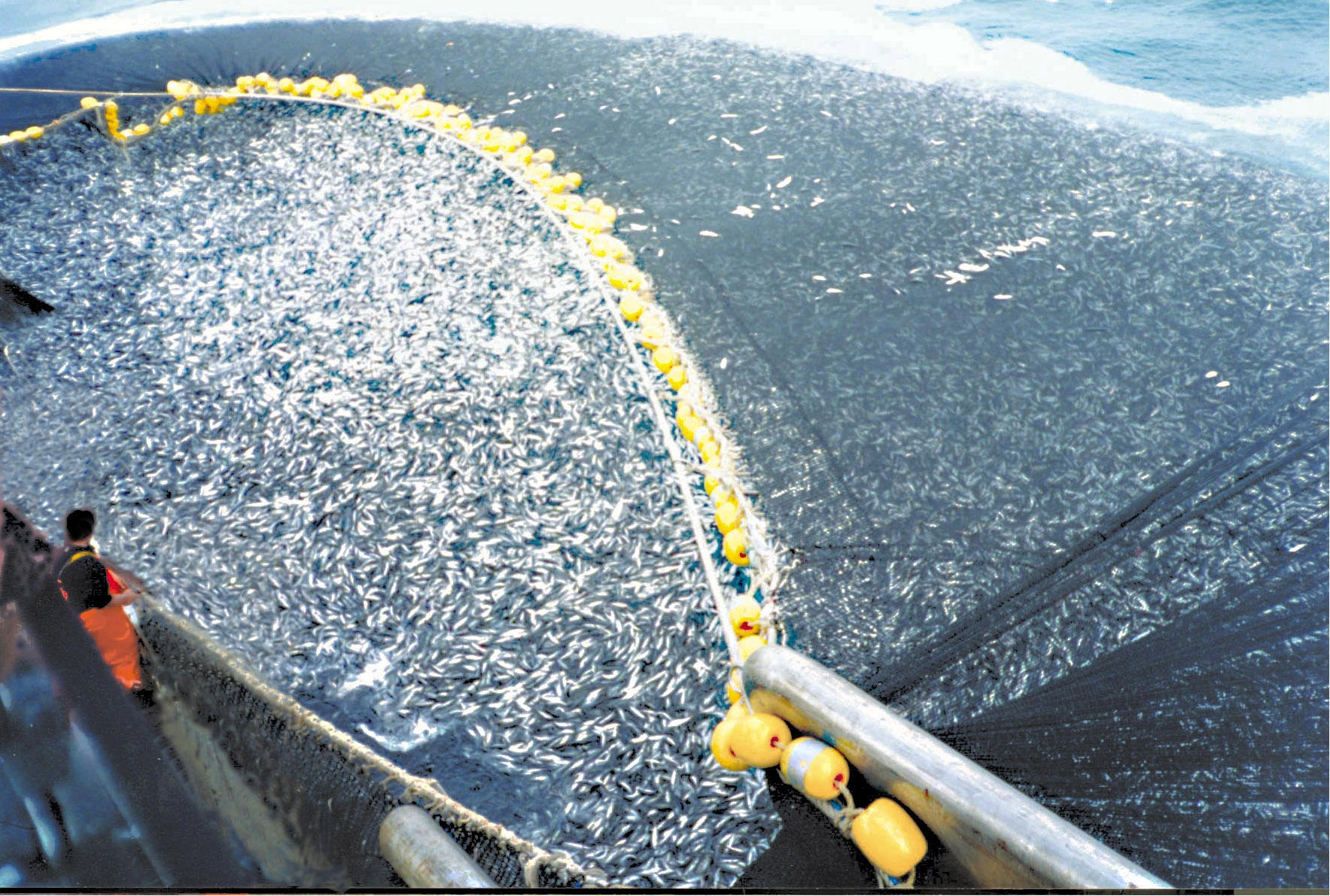
Ecosystem overfishing operates through several interconnected mechanisms. It begins with the removal of key species, often predators or large forage fish, at rates exceeding their reproductive capacity. This reduction in biomass can create a 'trophic cascade,' where the populations of their prey species increase unchecked, potentially leading to overgrazing of lower trophic levels like plankton or benthic invertebrates. Conversely, if the targeted species is a predator, its removal can lead to an explosion of its prey, which might then decimate smaller fish or other organisms. Furthermore, destructive fishing practices, such as bottom trawling, can physically damage habitats like coral reefs and seagrass beds, reducing the overall carrying capacity and biodiversity of the ecosystem, making it less resilient to other pressures like climate change.
📊 Key Facts & Numbers
Globally, the scale of ecosystem overfishing is staggering. The proportion of assessed fish stocks fished at biologically unsustainable levels continues to rise. The economic impact is also immense, with the value of global fish production threatened by ecosystem collapse. Marine ecosystems are estimated to provide services that are jeopardized by overfishing, impacting everything from tourism to coastal protection.
👥 Key People & Organizations
Several key individuals and organizations have been pivotal in understanding and combating ecosystem overfishing. Daniel Pauly has extensively researched the 'fishing down the food web' phenomenon and its ecosystem consequences. Sylvia Earle has long advocated for marine protected areas and against destructive fishing practices. Organizations like the WWF, Oceana, and the MSC play crucial roles in research, advocacy, and promoting sustainable seafood certifications, working to influence both policy and consumer behavior. The NOAA in the United States also conducts extensive research and management of fisheries, aiming to prevent ecosystem-level damage.
🌍 Cultural Impact & Influence
The cultural impact of ecosystem overfishing is profound, though often subtle. It fuels a narrative of scarcity and decline in marine environments, impacting coastal communities whose livelihoods and cultural identities are intrinsically tied to healthy fisheries. The decline of iconic species, from cod in the North Atlantic to tuna in the Pacific, has entered public consciousness through documentaries and news reports, fostering a growing awareness of human impact on the oceans. This awareness, in turn, drives demand for sustainable seafood and supports conservation efforts, influencing consumer choices and corporate responsibility initiatives, as seen with the rise of sustainable seafood guides and certifications.
⚡ Current State & Latest Developments
The current state of ecosystem overfishing remains a critical global challenge. While some regions have seen improvements due to stricter management and the establishment of marine protected areas (MPAs), the overall trend is concerning. Emerging threats, such as the increasing impact of climate change on fish distribution and productivity, exacerbate the problem, making ecosystems more vulnerable. Efforts are underway to integrate ecosystem-based fisheries management (EBFM) more broadly, but implementation remains complex and often lags behind the pace of degradation.
🤔 Controversies & Debates
A central controversy surrounding ecosystem overfishing lies in the inherent difficulty and cost of implementing truly ecosystem-based management. Critics argue that single-species quotas, while imperfect, are more practical and economically viable for fisheries managers and industry. There's also debate over the precise quantification of ecosystem impacts, with some arguing that the complexity of marine food webs makes definitive causal links challenging to establish. Furthermore, the economic pressures on fishing communities often lead to resistance against stricter regulations, creating a persistent tension between conservation goals and immediate economic needs, particularly in developing nations heavily reliant on fisheries.
🔮 Future Outlook & Predictions
The future outlook for ecosystem overfishing hinges on a significant shift towards holistic, ecosystem-based management. Projections suggest that without drastic changes, further declines in fish biomass and biodiversity are inevitable. However, there's growing optimism driven by advancements in scientific monitoring, including AI-powered data analysis and remote sensing, which can provide a more comprehensive understanding of ecosystem health. The expansion of well-managed MPAs and the adoption of fishing gear that minimizes bycatch and habitat damage are seen as crucial steps. Success will likely depend on international cooperation and the integration of ecological, economic, and social considerations into fisheries policy.
💡 Practical Applications
Practical applications for addressing ecosystem overfishing are multifaceted. They include the implementation of Ecosystem-Based Fisheries Management (EBFM) frameworks, which consider the entire ecosystem rather than individual species. This involves setting fishing limits that account for predator-prey relationships and habitat impacts, and reducing bycatch through selective fishing gear. The establishment and enforcement of Marine Protected Areas (MPAs) are critical for allowing depleted populations to recover and for preserving critical habitats. Consumer choices also play a role, with certifications like the MSC guiding individuals towards sustainably sourced seafood, thereby influencing market demand and incentivizing better fishing practices by companies like Young's Seafood and Bumble Bee Seafoods.
Key Facts
- Category
- nature
- Type
- topic