
Contents
- 📱 Introduction to Foldable Phones
- 🔍 History of Foldable Phone Development
- 📈 Market Trends and Adoption
- 🤔 Challenges and Limitations
- 📊 Technical Specifications and Innovations
- 📸 Camera and Display Technology
- 💻 Software and User Experience
- 📞 Connectivity and Battery Life
- 📊 Cost and Availability
- 🔮 Future Developments and Predictions
- 📊 Conclusion and Final Thoughts
- Frequently Asked Questions
- Related Topics
Overview
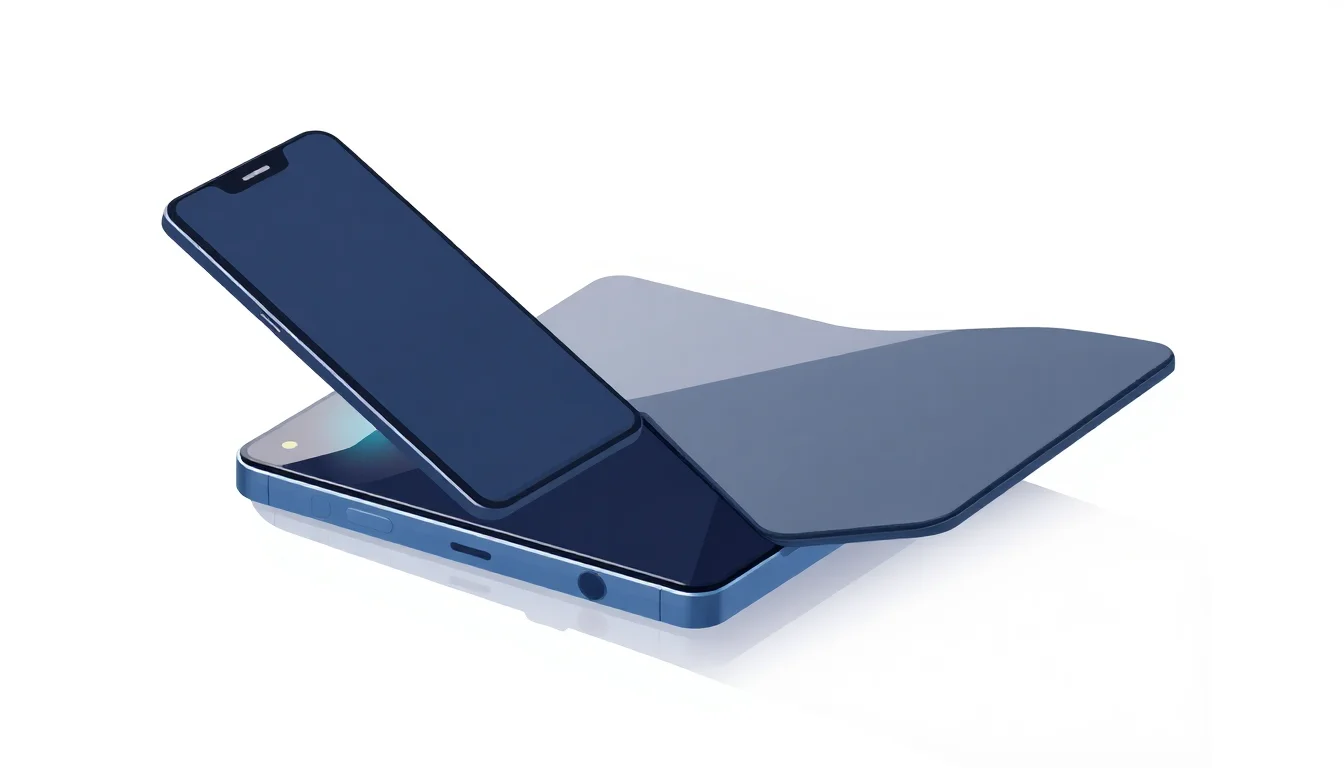
Foldable phones, pioneered by companies like Samsung and Huawei, have been making waves in the tech industry since 2019. With a vibe rating of 8, these devices have sparked intense debate among consumers and experts alike, with some hailing them as revolutionary and others criticizing their durability and price. The first foldable phone, the Samsung Galaxy Fold, was announced in February 2019 and released in September of the same year, with a price tag of $1,980. Despite initial concerns, foldable phones have continued to evolve, with improvements in design, display, and functionality. As of 2022, companies like Oppo and Xiaomi have also entered the foldable phone market, further increasing competition and innovation. With a controversy spectrum of 6, foldable phones are likely to remain a topic of discussion in the tech world, with many wondering if they will become the new standard for mobile devices.
📱 Introduction to Foldable Phones
The concept of foldable phones has been around for several years, with companies like Samsung and Huawei investing heavily in research and development. The first foldable phone was released in 2019, and since then, the technology has improved significantly. Royole was the first company to release a foldable phone, but it was Samsung's Galaxy Fold that gained the most attention. The Galaxy Fold features a 7.3-inch Dynamic AMOLED display and a Qualcomm Snapdragon 855 processor. As the technology continues to evolve, we can expect to see more 5G-enabled foldable phones with improved camera capabilities and longer battery life.
🔍 History of Foldable Phone Development
The history of foldable phone development dates back to the early 2000s, when companies like Nokia and Motorola were experimenting with flexible display technology. However, it wasn't until 2018 that Samsung announced its Infinity Flex Display, which was designed specifically for foldable phones. Since then, other companies like Huawei and Xiaomi have also announced their own foldable phone projects. The development of foldable phones has been driven by the need for larger displays and more portable devices. As the technology continues to improve, we can expect to see more innovative designs and features. Google has also been working on its own foldable phone project, which is expected to be released in the near future.
📈 Market Trends and Adoption
The market for foldable phones is still in its early stages, but it is expected to grow significantly in the coming years. According to a report by IDC, the global foldable phone market is expected to reach 30 million units by 2025. The report also notes that 5G-enabled foldable phones will be a major driver of growth in the market. Samsung has already announced plans to release a 5G-enabled version of its Galaxy Fold, and other companies are expected to follow suit. As the technology continues to improve, we can expect to see more affordable foldable phones with advanced features like artificial intelligence and augmented reality. Apple is also rumored to be working on a foldable phone project, which could potentially disrupt the market.
🤔 Challenges and Limitations
Despite the excitement surrounding foldable phones, there are still several challenges and limitations that need to be addressed. One of the main challenges is the durability of the display, which can be prone to scratches and cracks. Another challenge is the price, which is currently very high. The Samsung Galaxy Fold, for example, costs over $1,000. As the technology continues to improve, we can expect to see more affordable foldable phones with advanced features. However, there are also concerns about the environmental impact of foldable phones, which require more materials and energy to produce than traditional smartphones. Google has been working on a sustainable foldable phone project, which aims to reduce the environmental impact of foldable phones.
📊 Technical Specifications and Innovations
The technical specifications of foldable phones are impressive, with features like flexible displays, Qualcomm Snapdragon 855 processors, and 12GB of RAM. The Samsung Galaxy Fold, for example, features a 7.3-inch Dynamic AMOLED display and a 4300mAh battery. The Huawei Mate X, on the other hand, features a 8-inch OLED display and a 4500mAh battery. As the technology continues to improve, we can expect to see more innovative features like 5G connectivity, artificial intelligence, and augmented reality. Xiaomi has also announced plans to release a 5G-enabled foldable phone with a 108MP camera.
📸 Camera and Display Technology
The camera and display technology in foldable phones is impressive, with features like multi-lens cameras and high-resolution displays. The Samsung Galaxy Fold, for example, features a 16MP camera and a 7.3-inch Dynamic AMOLED display. The Huawei Mate X, on the other hand, features a 40MP camera and a 8-inch OLED display. As the technology continues to improve, we can expect to see more innovative features like 3D modeling and augmented reality. Google has also been working on a camera project that uses artificial intelligence to improve image quality. Apple is also rumored to be working on a camera project that uses machine learning to improve image quality.
💻 Software and User Experience
The software and user experience of foldable phones is still in its early stages, but it is expected to improve significantly in the coming years. The Samsung Galaxy Fold, for example, features a customized version of Android that is designed specifically for foldable phones. The Huawei Mate X, on the other hand, features a customized version of Android that is designed specifically for 5G-enabled devices. As the technology continues to improve, we can expect to see more innovative features like artificial intelligence and augmented reality. Xiaomi has also announced plans to release a foldable phone with a customized version of Android that is designed specifically for gaming.
📞 Connectivity and Battery Life
The connectivity and battery life of foldable phones is impressive, with features like 5G connectivity and long-lasting batteries. The Samsung Galaxy Fold, for example, features a 4300mAh battery and supports 5G connectivity. The Huawei Mate X, on the other hand, features a 4500mAh battery and supports 5G connectivity. As the technology continues to improve, we can expect to see more innovative features like wireless charging and fast charging. Google has also been working on a battery project that uses artificial intelligence to improve battery life. Apple is also rumored to be working on a battery project that uses machine learning to improve battery life.
📊 Cost and Availability
The cost and availability of foldable phones is still a major challenge, with prices ranging from $1,000 to over $2,000. The Samsung Galaxy Fold, for example, costs over $1,000, while the Huawei Mate X costs over $2,000. As the technology continues to improve, we can expect to see more affordable foldable phones with advanced features. However, there are also concerns about the environmental impact of foldable phones, which require more materials and energy to produce than traditional smartphones. Xiaomi has announced plans to release a foldable phone that is more affordable than the Samsung Galaxy Fold.
🔮 Future Developments and Predictions
The future of foldable phones is exciting, with predictions that the market will grow significantly in the coming years. According to a report by IDC, the global foldable phone market is expected to reach 30 million units by 2025. The report also notes that 5G-enabled foldable phones will be a major driver of growth in the market. As the technology continues to improve, we can expect to see more innovative features like artificial intelligence and augmented reality. Google has also been working on a foldable phone project that uses artificial intelligence to improve the user experience. Apple is also rumored to be working on a foldable phone project that uses machine learning to improve the user experience.
📊 Conclusion and Final Thoughts
In conclusion, foldable phones are an exciting new development in the world of mobile tech. With their flexible displays and 5G connectivity, they offer a new level of portability and convenience. However, there are still several challenges and limitations that need to be addressed, including the durability of the display and the price. As the technology continues to improve, we can expect to see more innovative features and designs. Samsung has already announced plans to release a new foldable phone with a 5G-enabled Qualcomm Snapdragon 855 processor. Huawei has also announced plans to release a new foldable phone with a 5G-enabled Kirin 990 processor.
Key Facts
- Year
- 2019
- Origin
- South Korea
- Category
- Technology
- Type
- Device
Frequently Asked Questions
What is a foldable phone?
A foldable phone is a type of smartphone that features a flexible display that can be folded and unfolded. This allows for a larger display and more portable device. The first foldable phone was released in 2019, and since then, several other companies have announced their own foldable phone projects. Samsung has been a leader in the development of foldable phones, with its Galaxy Fold being one of the most popular models. As the technology continues to improve, we can expect to see more innovative features and designs.
What are the benefits of foldable phones?
The benefits of foldable phones include a larger display and more portable device. They also offer a new level of convenience and flexibility, as they can be used in a variety of different ways. For example, the Samsung Galaxy Fold can be used as a tablet or a smartphone, depending on the user's needs. As the technology continues to improve, we can expect to see more innovative features and designs. Huawei has also announced plans to release a new foldable phone with a 5G-enabled Kirin 990 processor.
What are the challenges of foldable phones?
The challenges of foldable phones include the durability of the display and the price. The display can be prone to scratches and cracks, and the price is currently very high. However, as the technology continues to improve, we can expect to see more affordable foldable phones with advanced features. Google has been working on a foldable phone project that uses artificial intelligence to improve the user experience. Apple is also rumored to be working on a foldable phone project that uses machine learning to improve the user experience.
What is the future of foldable phones?
The future of foldable phones is exciting, with predictions that the market will grow significantly in the coming years. According to a report by IDC, the global foldable phone market is expected to reach 30 million units by 2025. The report also notes that 5G-enabled foldable phones will be a major driver of growth in the market. As the technology continues to improve, we can expect to see more innovative features and designs. Samsung has already announced plans to release a new foldable phone with a 5G-enabled Qualcomm Snapdragon 855 processor.
Who are the major players in the foldable phone market?
The major players in the foldable phone market include Samsung, Huawei, and Xiaomi. These companies have been investing heavily in research and development, and have announced several foldable phone projects. Google and Apple are also rumored to be working on foldable phone projects, although they have not yet announced any official plans. As the technology continues to improve, we can expect to see more innovative features and designs from these companies.
What are the potential applications of foldable phones?
The potential applications of foldable phones are numerous, and include gaming, entertainment, and productivity. They can also be used in a variety of different industries, such as healthcare and education. As the technology continues to improve, we can expect to see more innovative features and designs that take advantage of the unique capabilities of foldable phones. Samsung has already announced plans to release a new foldable phone with a 5G-enabled Qualcomm Snapdragon 855 processor, which is expected to be a major driver of growth in the market.
What are the potential risks of foldable phones?
The potential risks of foldable phones include the environmental impact of the devices, as well as the potential for cybersecurity threats. As the technology continues to improve, we can expect to see more innovative features and designs that address these risks. Google has been working on a sustainable foldable phone project, which aims to reduce the environmental impact of foldable phones. Apple is also rumored to be working on a sustainable foldable phone project, although the details have not yet been announced.